Comparing Solid Wood vs Engineered Timber Flooring: A Technical Insight

The choice between solid wood and engineered timber flooring is vital for homeowners and professionals. This article integrates technical details from recent industry manuals to offer a deeper understanding of these two popular flooring options.

1. Composition and Structural Differences:

  • Solid Wood Flooring: Made from single pieces of hardwood, solid wood flooring is known for its robustness and susceptibility to environmental changes like humidity.
  • Engineered Timber Flooring: Comprises a hardwood veneer over a core layer, often plywood or fibreboard. Engineered flooring offers enhanced stability against humidity changes due to its cross-laminated structure.

2. Installation and Environmental Adaptability:

  • Solid Wood: Requires careful installation, taking into account factors like moisture content and subfloor conditions. It’s sensitive to environmental changes and needs acclimatisation before installation.
  • Engineered Timber: Adaptable to various subfloor conditions and can be installed as floating floors. Its layered construction minimises dimensional changes due to humidity.

3. Durability and Maintenance:

  • Solid Wood: Can be sanded and refinished multiple times, extending its lifespan. It requires regular maintenance to counteract environmental effects.
  • Engineered Timber: The ability to refinish depends on the veneer thickness. It typically requires less maintenance and is more resistant to moisture and heat.

4. Aesthetic Variations and Customisations:

  • Solid Wood: Offers a timeless, natural look with inherent grain and colour variations.
  • Engineered Timber: Provides a wide range of aesthetic options and can mimic rare woods. Veneer quality and construction type can influence its appearance and performance.

5. Environmental Impact and Sustainability:

  • Solid Wood: Utilises more hardwood, impacting forests unless sustainably sourced.
  • Engineered Timber: More sustainable, using less hardwood. The impact depends on core materials and the manufacturing process.

Both solid wood and engineered timber flooring have unique attributes and technical considerations. Your choice will depend on factors like installation environment, maintenance preferences, and sustainability concerns.

What is Engineered Timber Flooring?

At Vienna Woods we often find that there are some misunderstandings about what is commonly called Engineered Flooring.  In the following article we will outline exactly what engineered flooring is and clear up any misconceptions.

The concept of engineered timber has been around for some time.  It wasn’t until the early 20th century when engineered timber began to be used for flooring.  See our article on The History of Engineered Flooring for more information.

Engineered flooring is term used to describe a flooring board comprising of layers of timber glued together to form a robust “engineered” plank.  The top layer is usually a species of hard wood.

Fusing the layers together in this way is also called laminating.  builders frequently work with laminated timber for everything from various ply wood application through to ceiling beams.  Laminated timbers are often used for their added spanning properties (think thick laminated beams) and also their structure stability (think of sheets of plywood).  However, some confusion  exists when using the term “laminated” with flooring.  There is a category of flooring named “laminated” which refers to a synthetic top layer laminated to a high density fibreboard backing.  Engineered timber flooring is technically laminated, but it does not fall under the category of laminated flooring.  Even builders (who commonly use and discuss laminated products) will sometimes refer to engineered timber flooring as “laminated”.

The Key Features of Engineered Timber Flooring:

  1. Layers: The typical engineered timber floor plank is made up of three or more layers. These layers are laid at right angles to each other to improve strength and resilience.
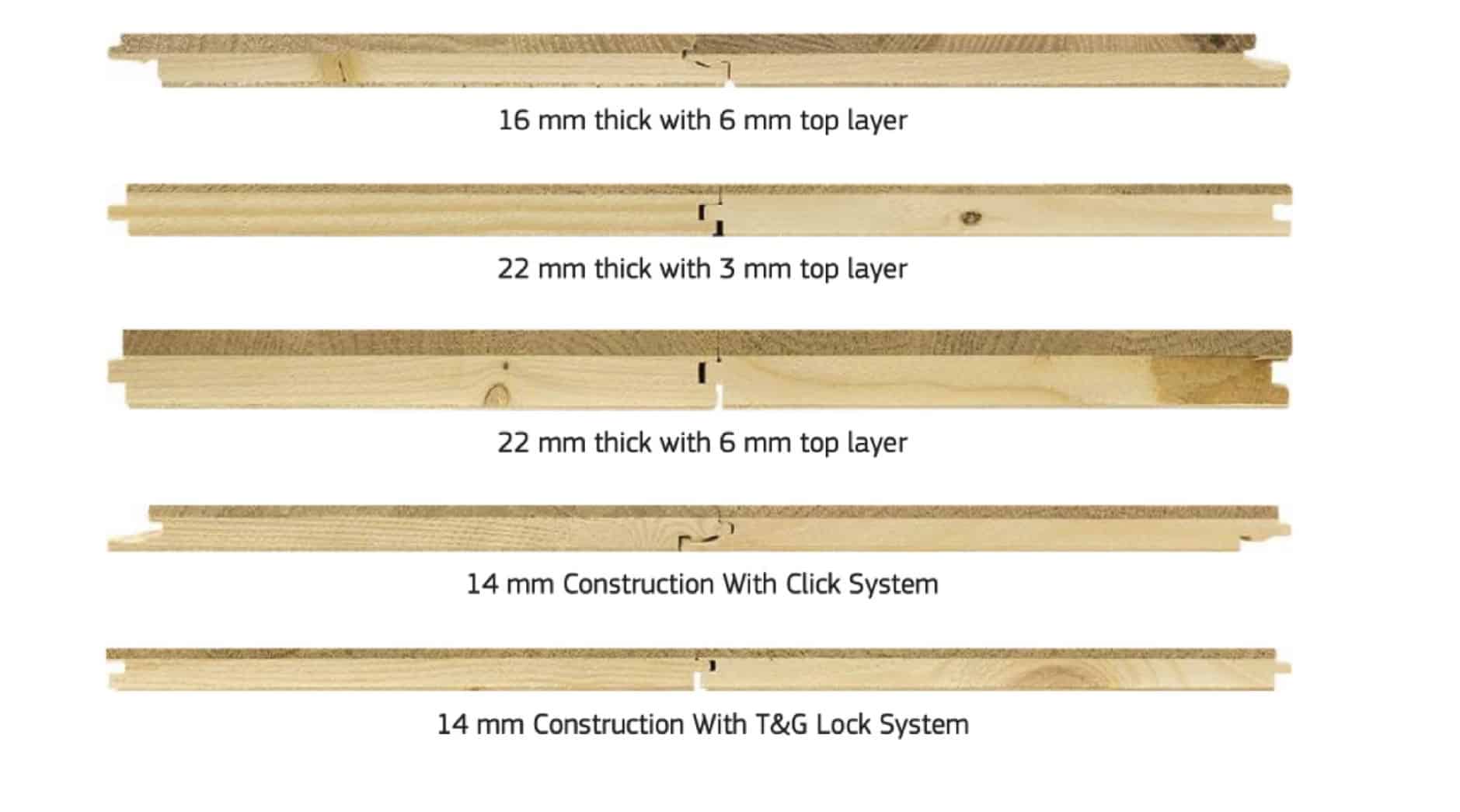
  2. Top Layer (Wear Layer): The topmost layer is a veneer of the desired hardwood. This could be oak, maple, or any other type of wood. This layer provides the look and feel of solid hardwood flooring. The thickness of this layer can vary, but it’s generally between 2mm to 6mm. This layer can be sanded and refinished, depending on its thickness.
  3. Core Layers: Beneath the top layer are several core layers, usually made from plywood, hardwood, or high-density fiberboard. These layers provide stability, reducing the wood’s natural tendency to expand and contract with changes in humidity and temperature. This makes engineered wood flooring more suitable for areas with varying climate conditions or for installation over underfloor heating systems.
  4. Bottom Layer: The bottom layer of engineered wood flooring is usually made from the same material as the core layers. It helps balance the board and prevent warping.

Engineered timber floors include a top layer of hardwood; typically 2.5 to 6mm, and a backing board which will sometimes be multi layered ply and some times solid core.  The backing board is usually made from a fast growing softwood.  The benefits of this construction are;

  • Stability: The cross-layer construction provides high stability compared to solid wood, making it less prone to changes caused by humidity and temperature.
  • Versatility: Engineered wood can be installed over various types of subfloors, including concrete.
  • Sustainability: Since the top layer is a thin veneer, less hardwood is used compared to solid wood flooring. This can be more sustainable if the wood is sourced responsibly.
  • Compatibility with Underfloor Heating: The construction of engineered wood makes it suitable for use with underfloor heating systems.

There are a number of different engineered timber types with connection systems, thicknesses and construction types varying a great deal.  The more common architypes are pictured below;


Engineered wood can last as long as solid hardwood, but its lifespan can be shorter if the top layer is too thin to be refinished.

An additional consideration is variability in quality.  Since engineered timber planks are manufactured, there can be a wide variety in qualities.  Everything from the quality of the manufacturing through to the width and thickness of the flooring and the wear layer.  Because of this variability, it is important to select an appropriate supplier if you are considering engineered flooring for your home.

Engineered timber flooring offers the beauty of hardwood with added stability and versatility, making it a popular choice for various settings, including residential and commercial spaces.


How Hard-Wearing are NZ Timber Floors, Compared with European Oak?

Did you know that a person wearing stilettos can exert more force on a single stiletto point than an elephant? That is the amount of force that our flooring is susceptible to.

A large number of New Zealand homes have native timber floors. They are thought to be reasonably hard-wearing (although many species do often show dents from wear). In many cases this flooring needs to be extended or refurbished and the cost to do so can be a prohibitive.

An alternative option is to introduce an overlay timber flooring to the home. As such, we are often asked about the hardness of European Oak compared to New Zealand native timber floors. The Janka Hardness Test is a great way to offer a comparison between timber species.

The Janka Hardness Test is used to measure the resistance of a sample of wood, to denting and wear.  The results can compare the relative hardness of different species. It is determined by pressing a small steel ball into the wood.  The test measures the force required to embed the ball half way (creating an indentation that measures one square centermeter. 

European oak has a relatively high rating on the Janka scale, making it a durable choice for flooring.  It is not the hardest on the scale, but oak has become a popular choice due to accessibility, a desirable aesthetic, ability to forest sustainably and it is relatively easy to work with for a hard wood.

Some New Zealand native timbers, such as totara and rimu, also rank relatively high on the Janka scale, but are limited in availability for flooring. Other native timbers, such as kauri and matai, rank lower on the scale and may be less resistant to wear and tear.

The hardness test is expressed as kilograms-force (kgs), newtons (N) or pounds-force (lbf).  The following shows a comparison of New Zealand Natives and other popular species expressed in lbf:

• Brazilian cherry: 2,820 lbf

• Totara: 2,040 lbf
• Jarrah: 2,020 lbf

• Maple: 1,450 lbf

• European Oak: 1,350 lbf
• Teak: 1,155 lbf
• Rimu: 1,010 lbf
• Kauri: 890 lbf
• Matai: 940 lbf

Each species has a number unique properties.  The wear resistance and hardness of timber is important, but it is just one factor to consider when choosing flooring.  

For more information, see below:

The different finishes available for engineered timber flooring

One of the great things about engineered timber flooring is the variety of finishes available, which can help you achieve the desired look and feel for your home. Here are some of the different finishes available for engineered timber flooring:


  1. Matte finish: A matte finish has a smooth, non-reflective surface that gives the flooring a more natural, understated look. It is a good choice for areas with lower traffic or for homeowners who want a more subdued look.
  2. Satin finish: A satin finish has a slightly glossy appearance that adds a touch of shine to the flooring. It is a good choice for areas with moderate traffic, as it is more resistant to scratches and scuffs than a matte finish.
  3. Gloss finish: A gloss finish has a highly reflective surface that gives the flooring a shiny, polished appearance. It is a good choice for formal or elegant spaces, but may show scratches and scuffs more easily than other finishes.
  4. Hand-scraped finish: A hand-scraped finish is achieved by manually scraping the surface of the wood to give it a distressed, rustic appearance. It is a good choice for homes with a traditional or antique look.
  5. Wire-brushed finish: A wire-brushed finish is achieved by running a wire brush over the surface of the wood to create a textured, rough appearance. It is a good choice for a more rustic or casual look.
  6. Distressed finish: A distressed finish is achieved by creating artificial imperfections, such as dents or scratches, in the surface of the wood. It is a good choice for a shabby chic or vintage look.

By considering the different finishes available for engineered timber flooring, you can find a product that fits the style and aesthetic of your home.

Oil vs Lacquer Finish

Wood finish options available are Natural oil, UV oil, or lacquer (polyurethane).

NATURAL OIL FINISH

Natural oil finishes do not leave a film on the surface of the wood like polyurethane, instead the special 100% natural oils seep into the wood layer and harden, creating an incredibly beautiful and durable surface, leaving the wood pores open so you can enjoy the natural wood surface as nature intended. If you maintain the floor well you may never need to sand and refinish the entire surface of a Natural oiled floor, as scratches can easily be spot-repaired by the home owner – simply sand the scratch and apply more oil (this can only be done if the correct oil colour is available for touch-up’s).

Natural oiled floors develop a beautiful patina and character over time and often become even more attractive as they age.

It’s important to note that these finishes can age with ‘character’; this will depend on wear and tear – for example certain foodstuffs or liquids may leave a discolouration. Cleaning up spills immediately can help immensely. New generation finishes can often be applied as a top coat, to add a higher level of protection against potential staining.

Natural oiled wood feels wonderful to walk on with bare feet, and the open pored surface is warm to the touch and slip resistant. The open pored surface allows the wood to breathe, regulating moisture in the air, for a healthier home environment. Natural oiled floors have a great resistance to wear and are also suitable for commercial purposes.

Residential care: Mop every 2-3 weeks with Admonter or Ciranova Soap. Do not use any other cleaning product on oiled wood floors! Apply Admonter maintenance oil every 12-36 months, or Ciranova Maintenance Oil every 12 months depending on wear. View full care instructions on the product listing.

UV OIL FINISH

The oil finish is dried during production under UV lamps, making the wood surface very durable and easy to care for. UV oiled floors are a great compromise between natural oiled and polyurethane finishes – they give a similar appearance to a natural oiled finish, but are a bit more forgiving than natural oiled finishes if mistreated through a lack of maintenance. UV oiled floors tend to be more resistant to staining compared to natural oil finishes.

UV oiled floors are cared for in a similar manner to Natural Oiled wood floors.

Residential care: Mop every 2-3 weeks with Admonter or Ciranova Soap. Do not use any other cleaning product on oiled wood floors! Apply Ciranova Maintenance Oil every 12-24 months depending on wear. View full care instructions on the product listing.

LACQUER / POLYURETHANE FINISH

Acrylic matt lacquer (polyurethane) entirely seals the pores of the wood, providing excellent wear and chemical resistance. This acrylic lacquering is elastic and absolutely uncomplicated in care. An additional “anti-scratch” coating makes the floor extremely durable and resistant.

Lacquers have become very natural looking in recent times – ask us about Supermatt lacquer or Pureline lacquer.

Lacquer finishes will eventually require refurbishment, involving a full sanding and several coats of new lacquer.

Residential care: Use Admonter Clean and Care or BONA wood floor cleaner, apply by mop every 2-3 weeks. Vacuum or sweep in between times.

Quiet Floors

CREATING FLOORING FOR LIVING

We’ve worked with top suppliers in Europe to find acoustic systems that genuinely work—making timber floors quieter and more comfortable underfoot.

Acoustic Adhesive

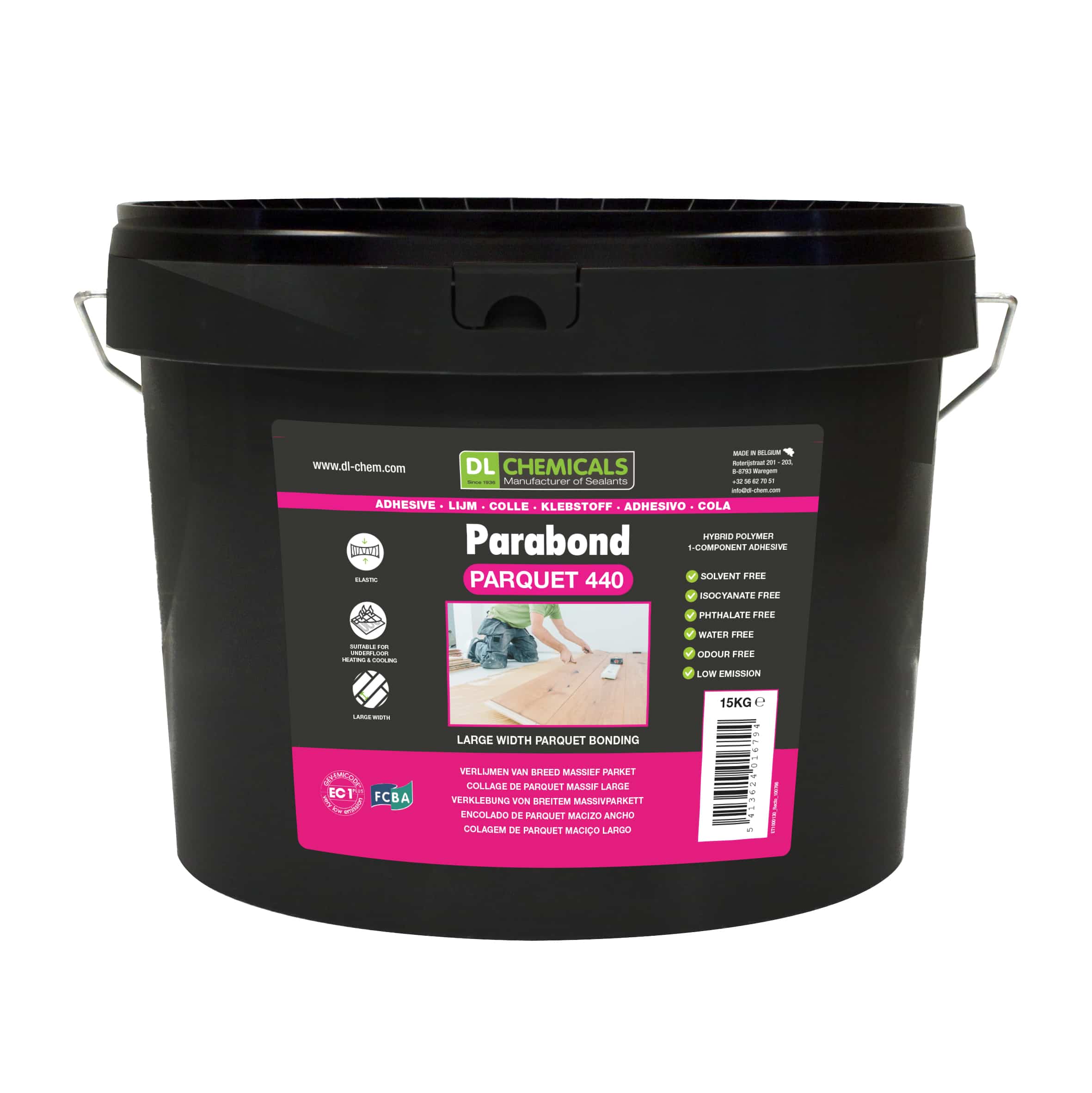
Wood flooring parquet glue

New generation MS hybrid polymer adhesives offer a superior acoustic performance.

Best results are achieved when using Parabond Parquet 480 as a combined moisture barrier & adhesive; the thicker layer of adhesive used to ensure moisture protection dries to a rubber-like consistency, providing excellent acoustic performance.

Parabond is made in Belgium and is imported exclusively by Vienna Woods.

Acoustic Underlay

For peak values in acoustic & load.

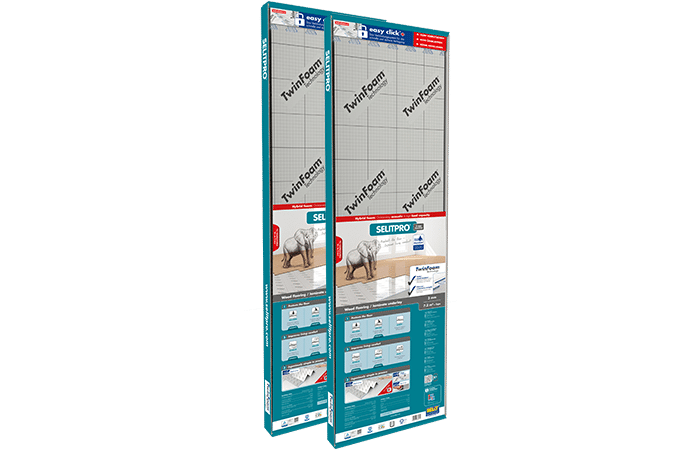
SELITPRO® 2.2 mm uses a smart double-foam system that improves both sound performance and strength—ideal for upstairs areas or apartments where noise matters.

The SELITPRO® 2.2 mm AquaStop is equipped with an AquaStop surface and optimally protects the floor against moisture with a sd-value ≥ 200 m.

We also stock 3mm Aquastop underlay.

SELITPRO® underlay is made in Germany and imported exclusively by Vienna Woods.

Mapecem CR

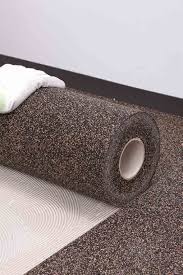
This 4mm thick cork/rubber underlay provides excellent acoustic performance and is an ideal solution when a high performing underlay is required.

We typically glue the underlay to the substrate and then glue the wood flooring directly to the underlay.

Perfect for apartments where a glued down wood floor is desired.