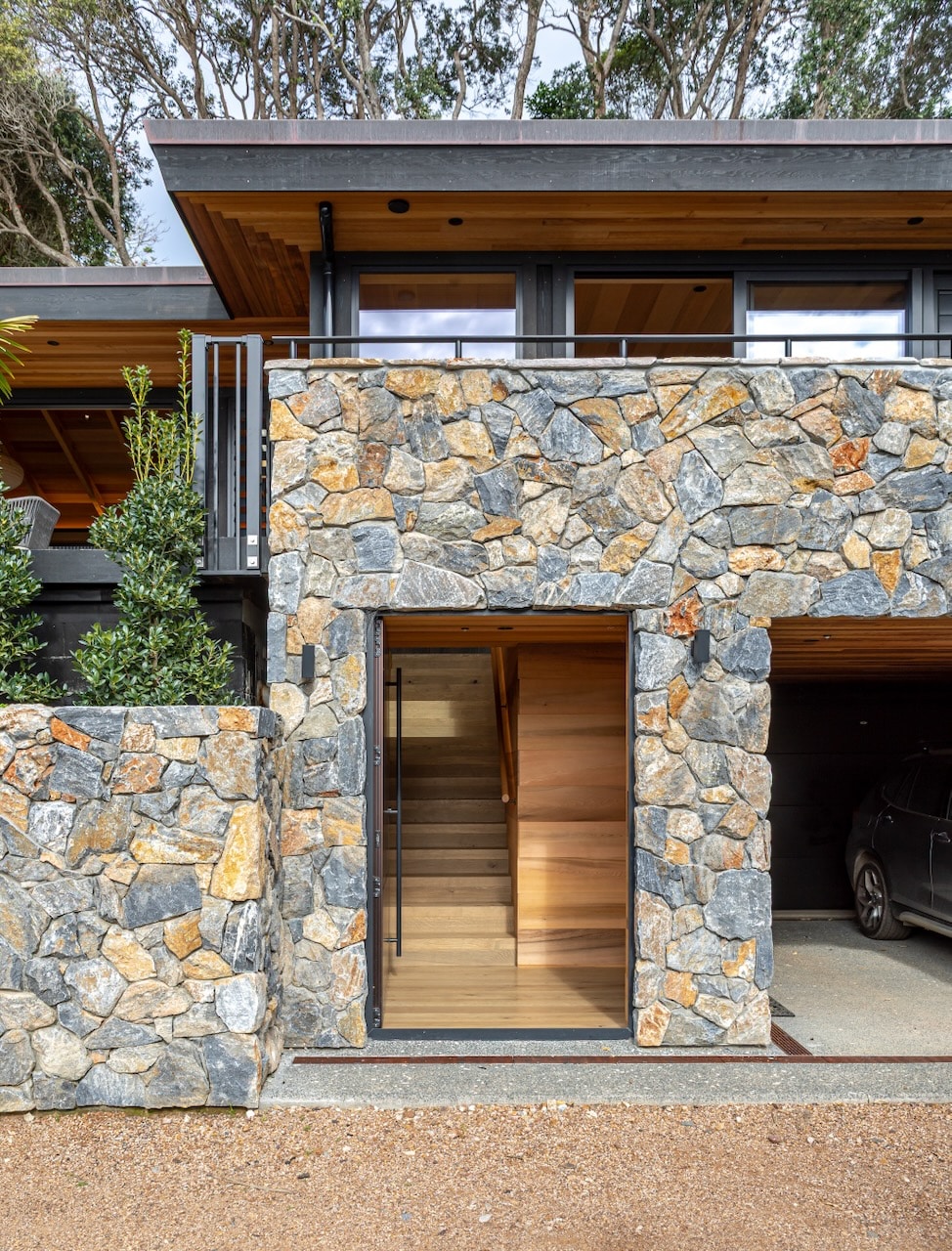
Unique Elegance of Reclaimed Wood Flooring
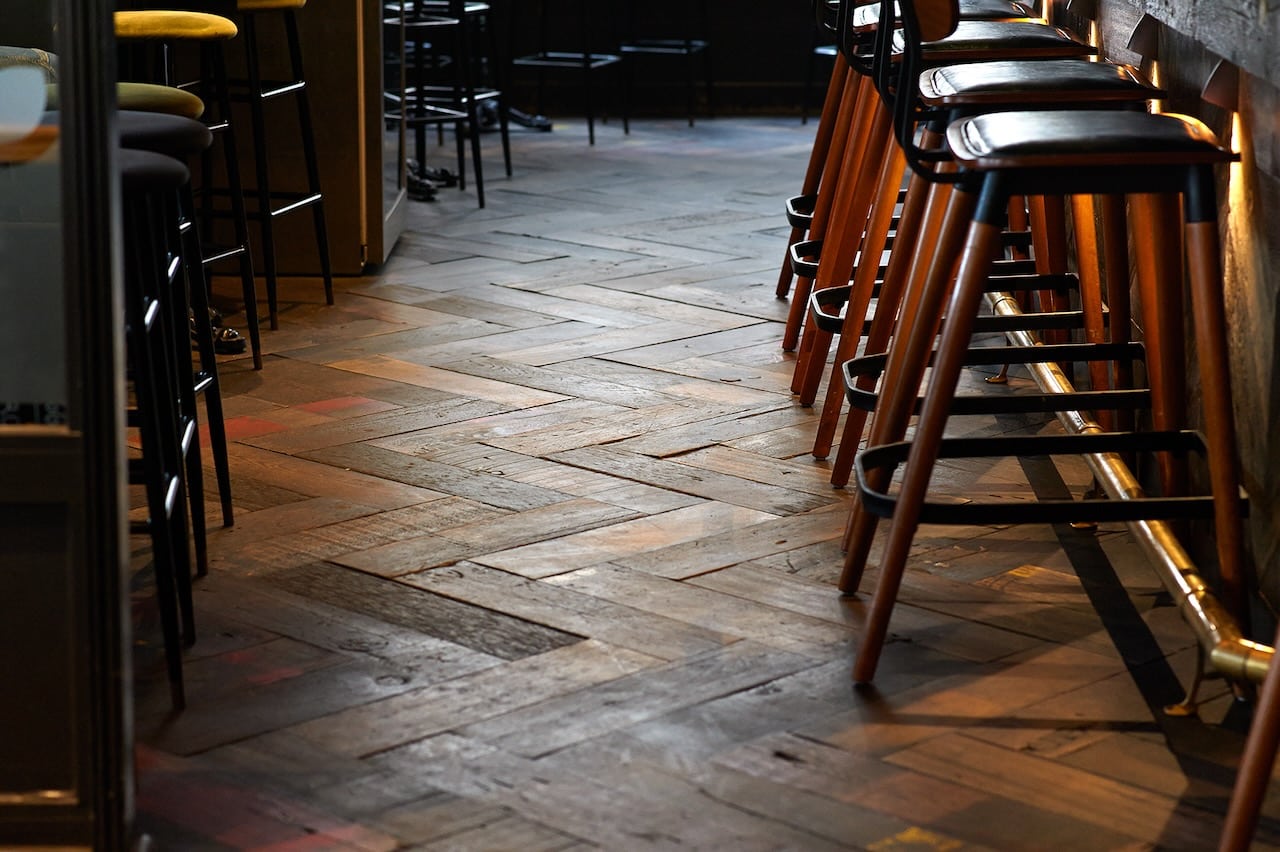
Herringbone Timber Flooring - 44

At Vienna Woods, we are thrilled to introduce a truly exceptional range of aged and reclaimed timber flooring: Antique Floors from Luxembourg. These floors are not just visually captivating but also resonate with our values of sustainability and European craftsmanship.


Why Choose Antique Floors?

Authentic Reclaimed Wood:

Many of the Antique Floors products are made from upcycled materials.  In these cases, each plank tells a story and sometimes that story dates back 150 years. Antique Floors sources their reclaimed wood from historical structures, including century-old French train carriages and old barn rafters. This reclaimed timber offers a unique character, unmatched by new timber floors.

Sustainability:

By repurposing existing wood, Antique Floors significantly reduces the demand for new timber, aligning perfectly with our commitment to environmental responsibility. The use of recycled materials in these floors not only adds charm but also promotes sustainability in home design.

Unparalleled Craftsmanship:

Since 1982, Antique Floors has been handcrafting bespoke flooring. Reclaimed timber flooring and reclaimed wood in general is challenging to work with.  Their artisans are masters in their craft, meticulously selecting and processing each piece of wood to highlight its natural beauty and unique grain. This dedication ensures every floor is a one-of-a-kind masterpiece.
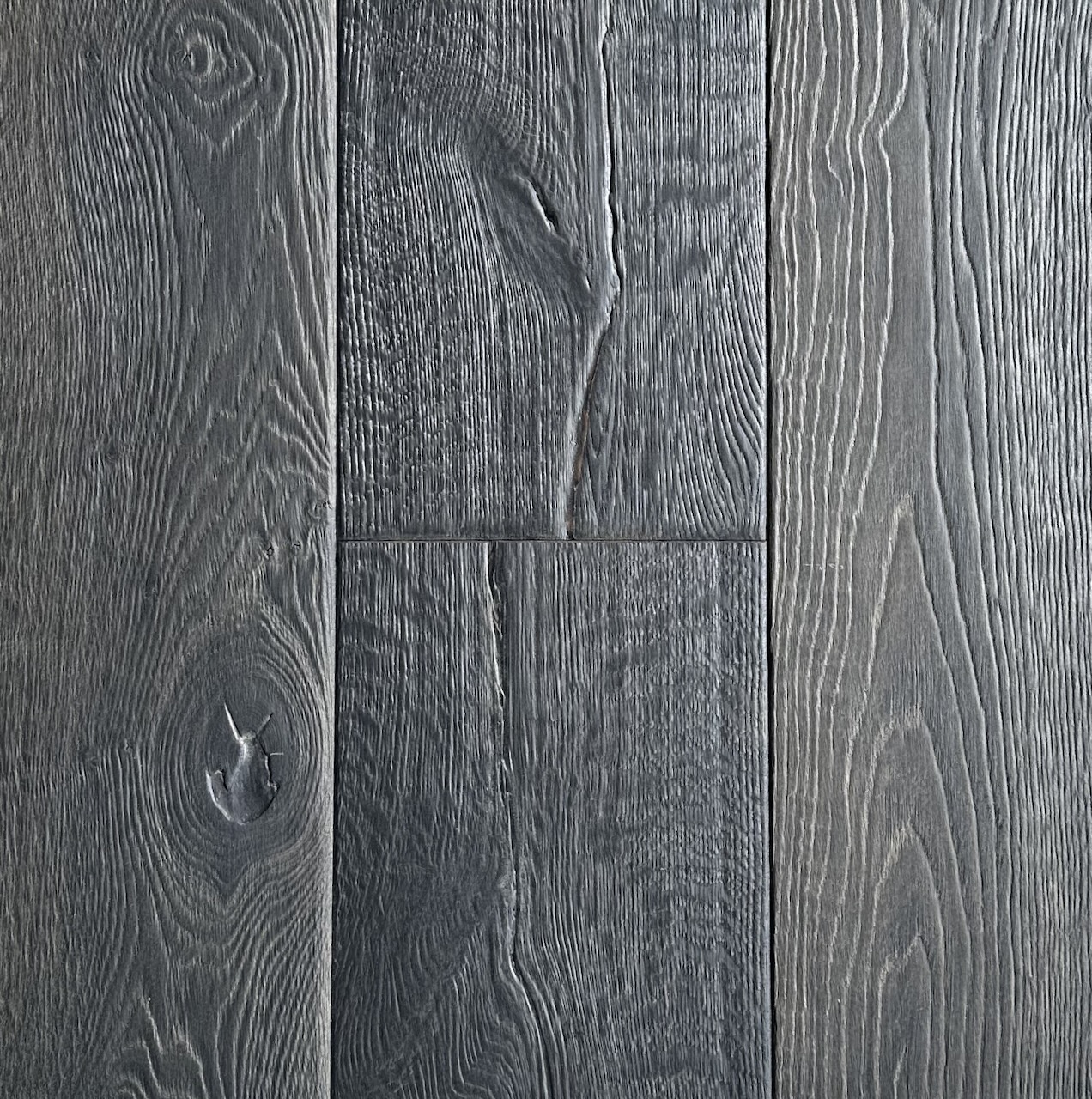
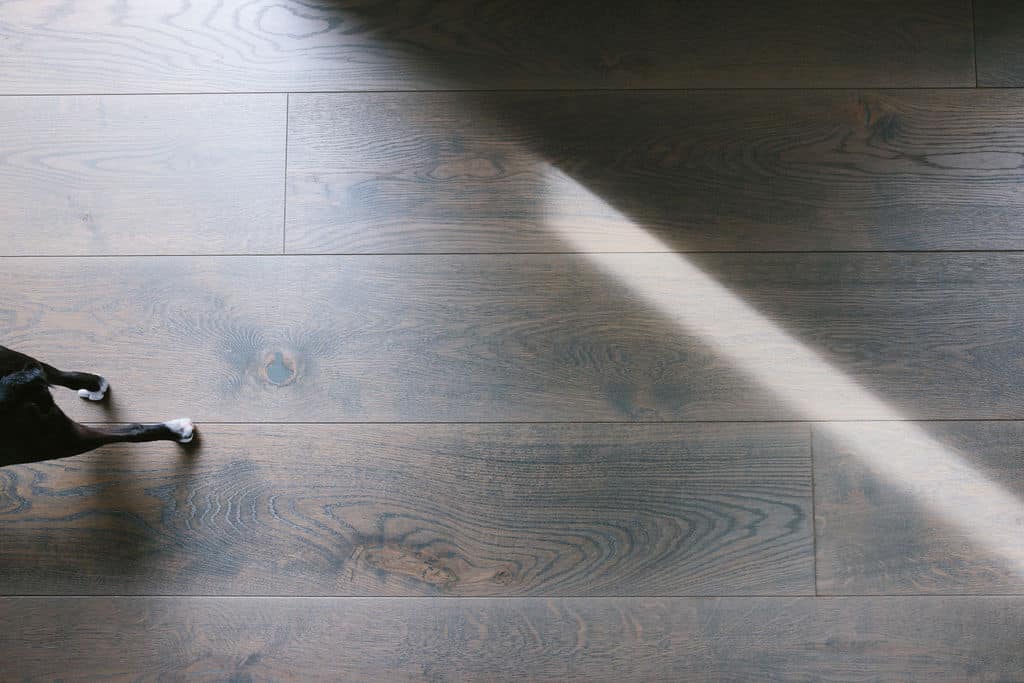
Thermal treated oak flooring European made dark heavy texture timber

Product Highlights

Havane:

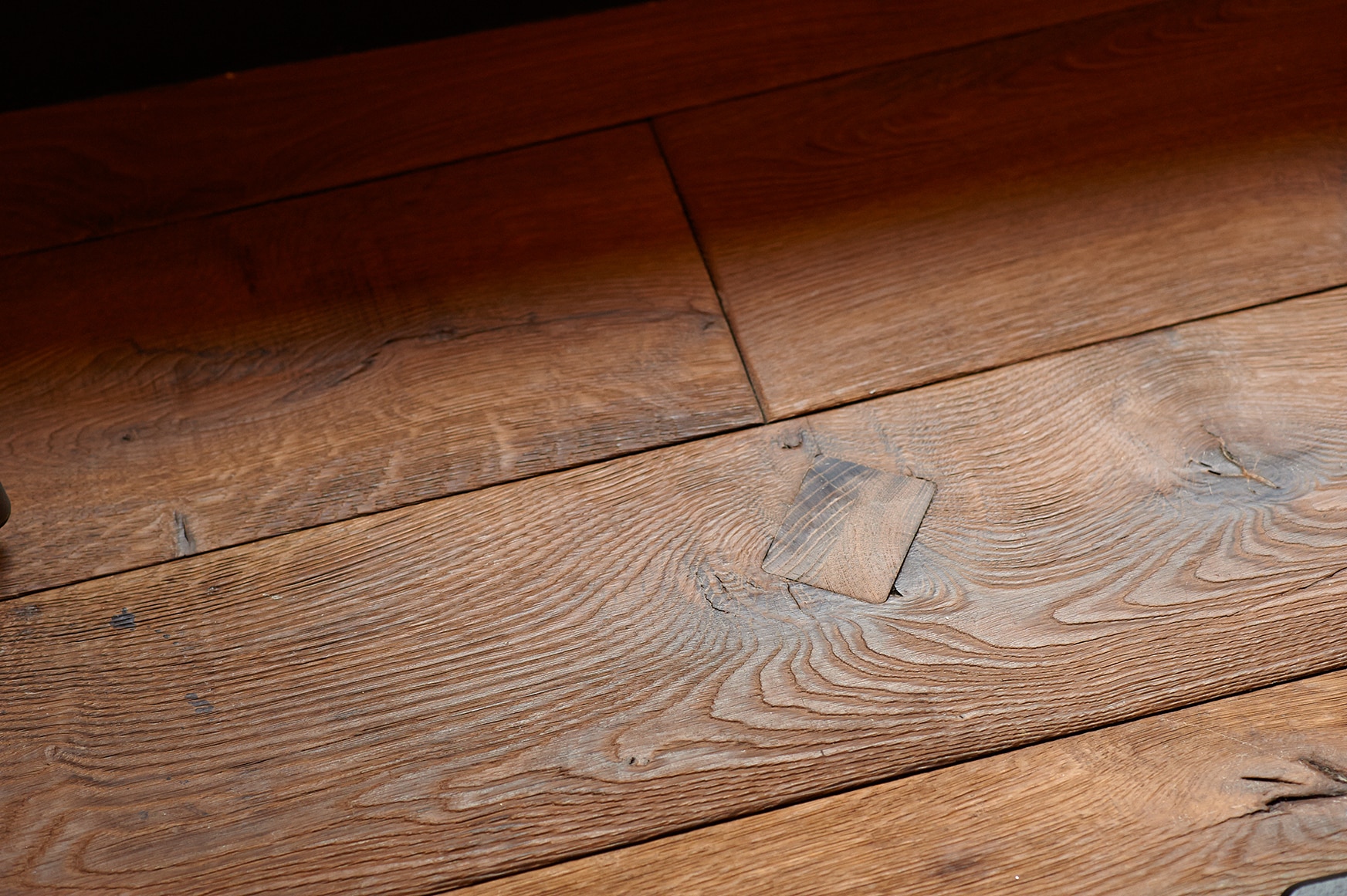
Unique, heat-treated planks with authentic end-grain inserts and interesting metal repairs. Available in a rich natural oak plank (300), a tobacco hue (301) and a dark charcoal colour (307).  Characterised by a structurally stable, colour-fast surface and natural imperfections of variations and beautiful repair work.  Perfect for both commercial and domestic projects due to their dimensional stability and high quality.

Le Bois Gouge Nature:

A luxurious timber flooring option made from sustainably sourced European oak. Each plank is hand-scraped by artisans in Luxembourg, featuring unique knots and grains that add rustic charm and durability. Engineered for stability and easy installation, this flooring suits various interior styles, from rustic to contemporary.

Wagon Boards:

Salvaged from old French train freight carriages, these boards add a rustic charm to interiors. Available in various finishes, they are a testament to the history and durability of reclaimed wood.  Repurposed wood flooring is cherished for the life it’s lived and the stories it could tell, but it also has to look amazing.  If you’re looking for the ultimate in reclaimed timber flooring, then Wagon Boards are the one.
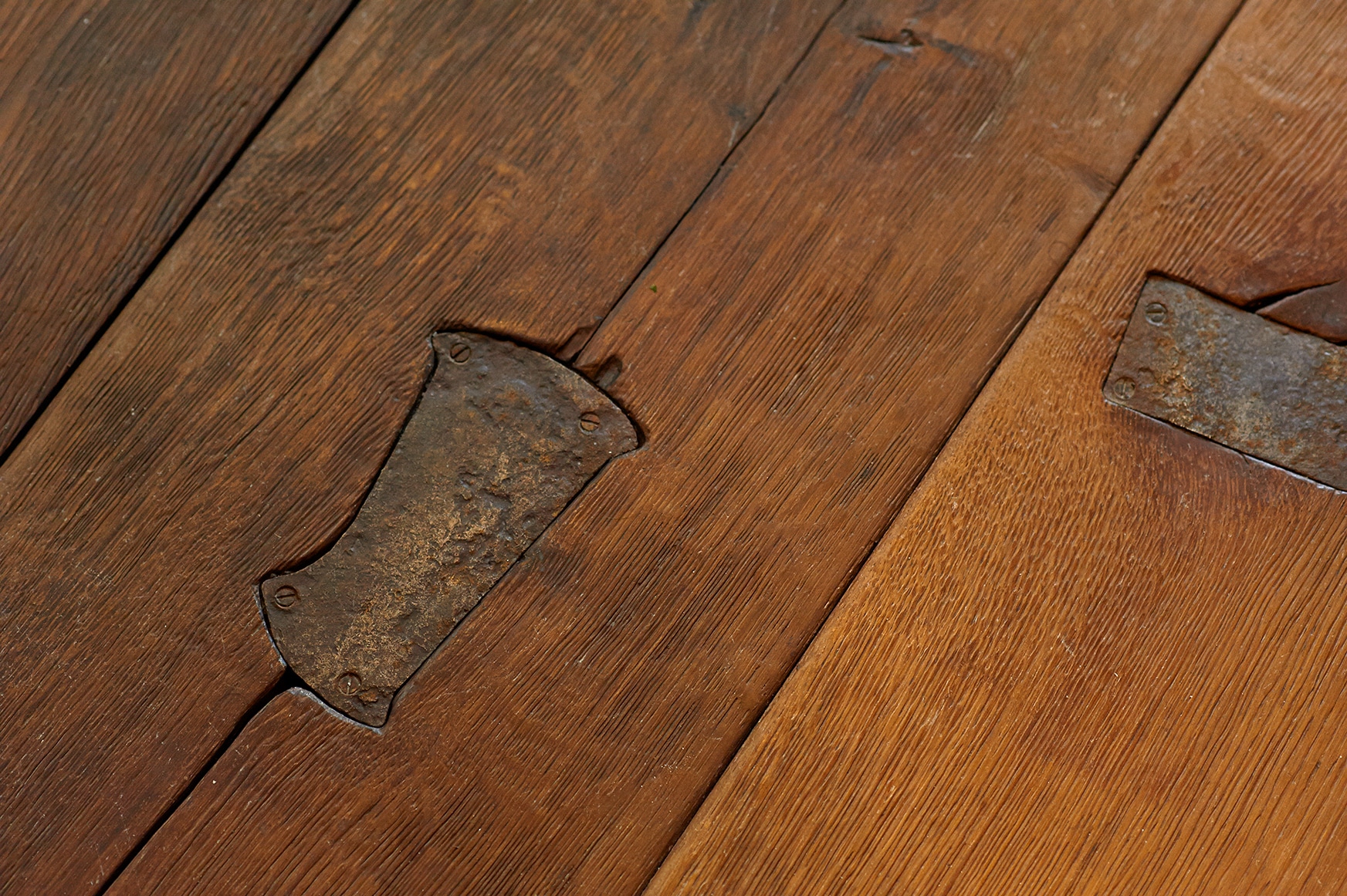
Havane 301 Distressed Timber Flooring

Experience the Antique Floors Difference for Yourself

We invite you to experience the unique charm of Antique Floors firsthand. Visit our showroom for an exclusive viewing where you can see, feel, and appreciate the blend of history and quality craftsmanship. If a visit is not possible, our team is always available to provide more information and assist you in selecting the perfect floor for your project.  Click here to schedule a showroom consultation.

Availability

Each Antique Floors order is produced specifically to suit your space through our Special Order Program.  You can find our more about Vienna Woods Special Orders here.

Embrace the elegance of reclaimed wood flooring with Antique Floors from Luxembourg, available exclusively at Vienna Woods.
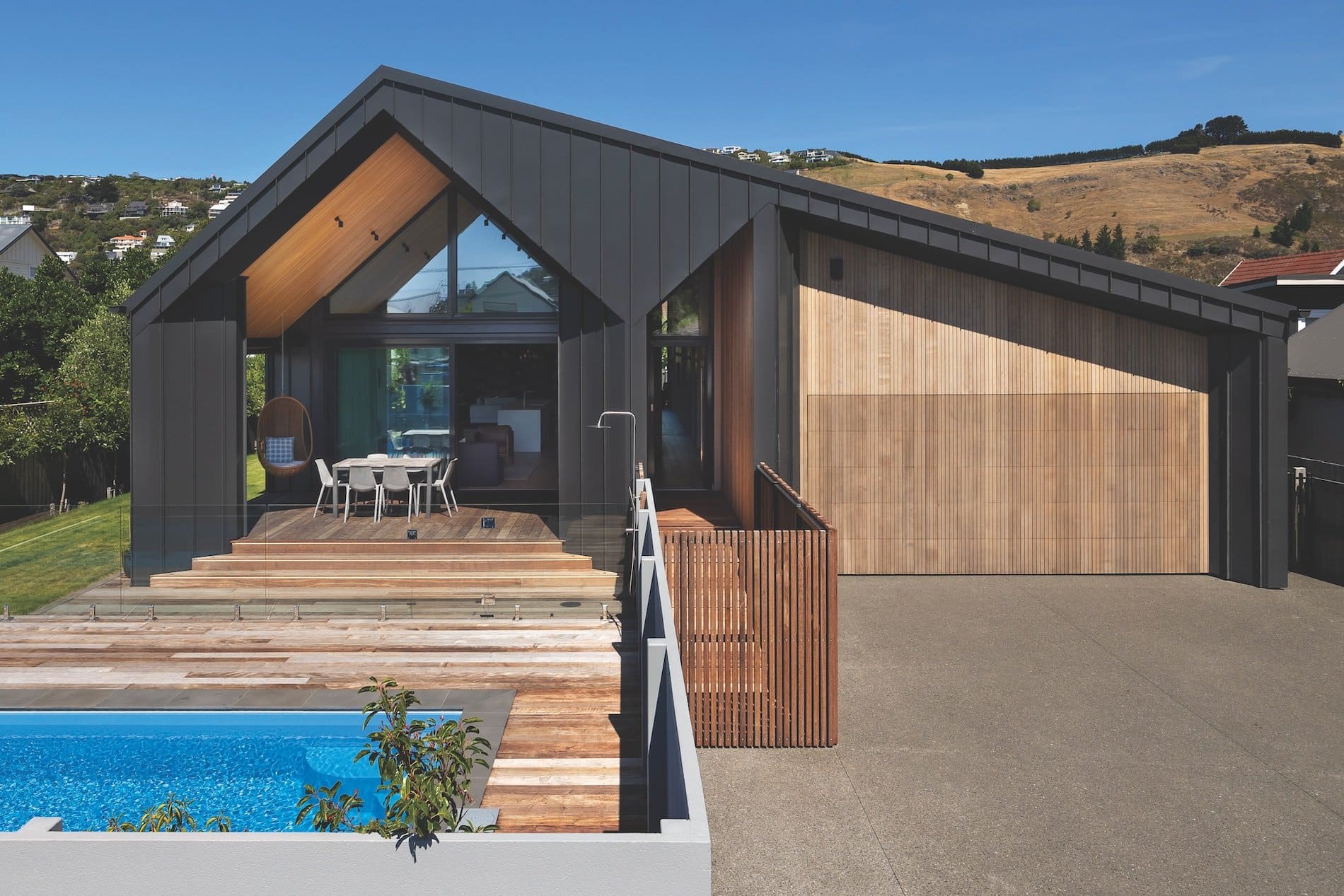
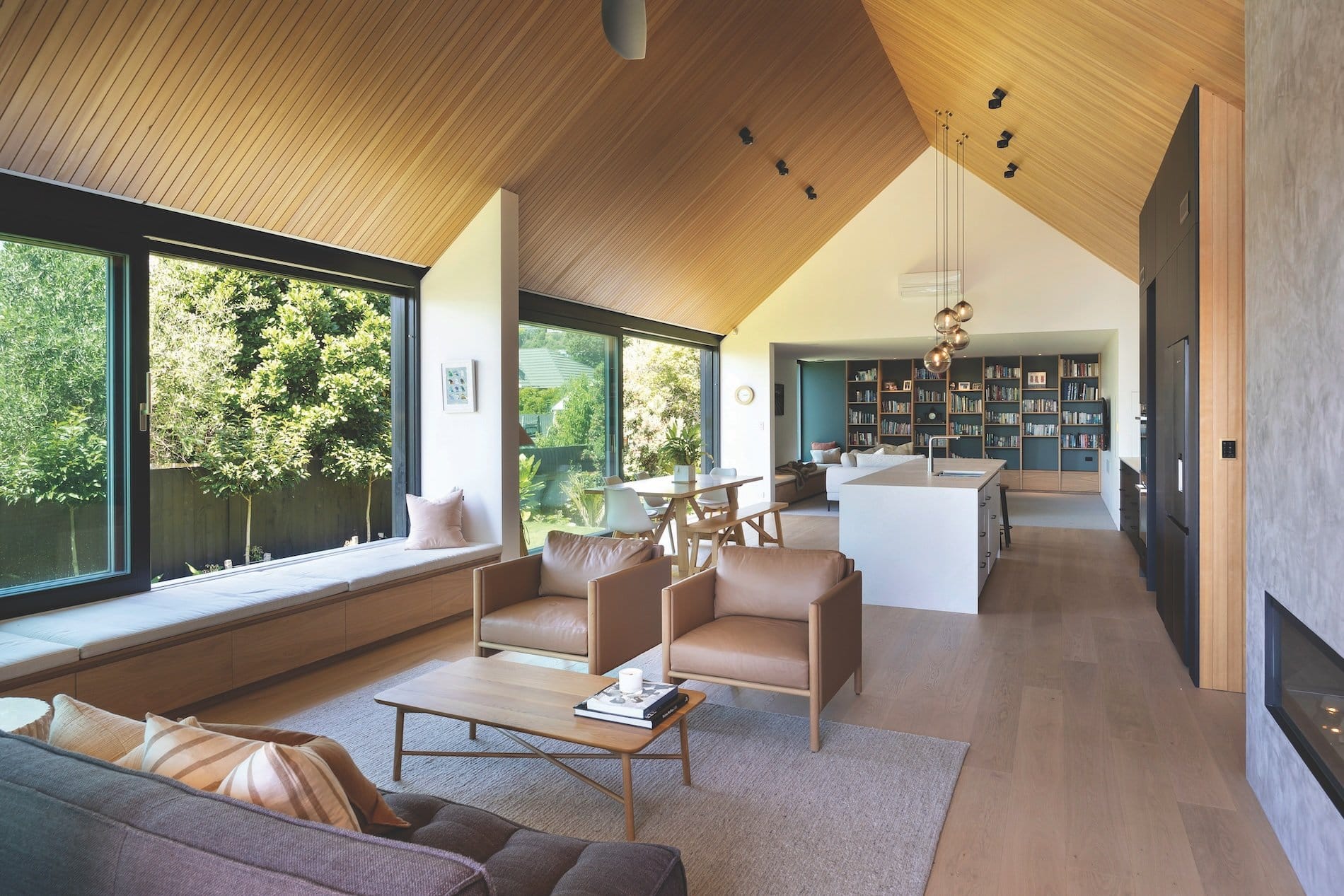
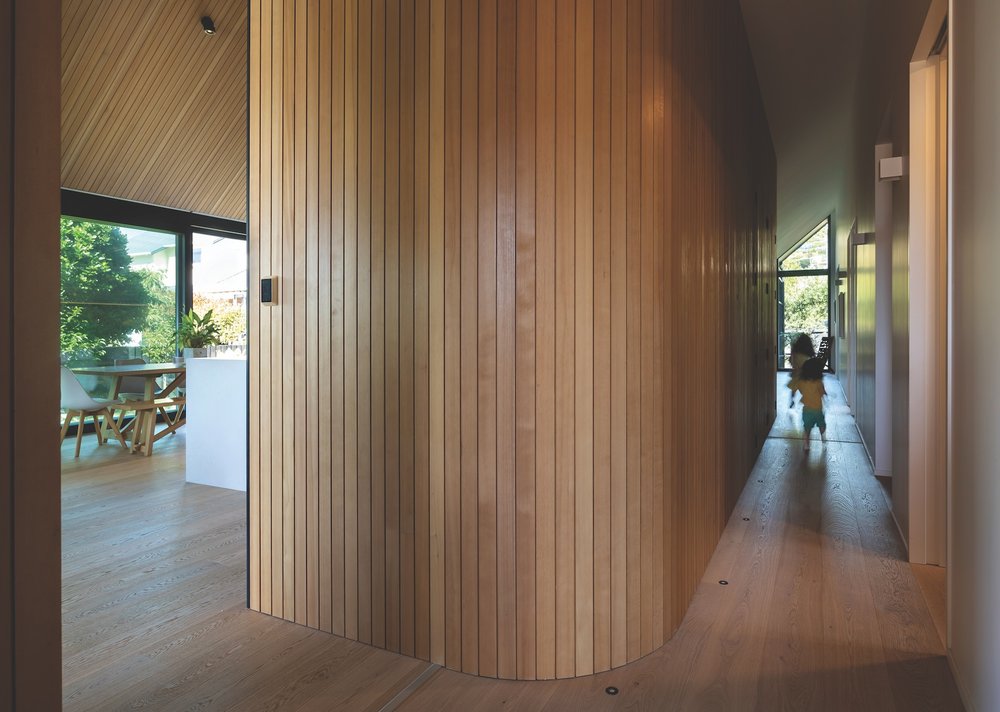
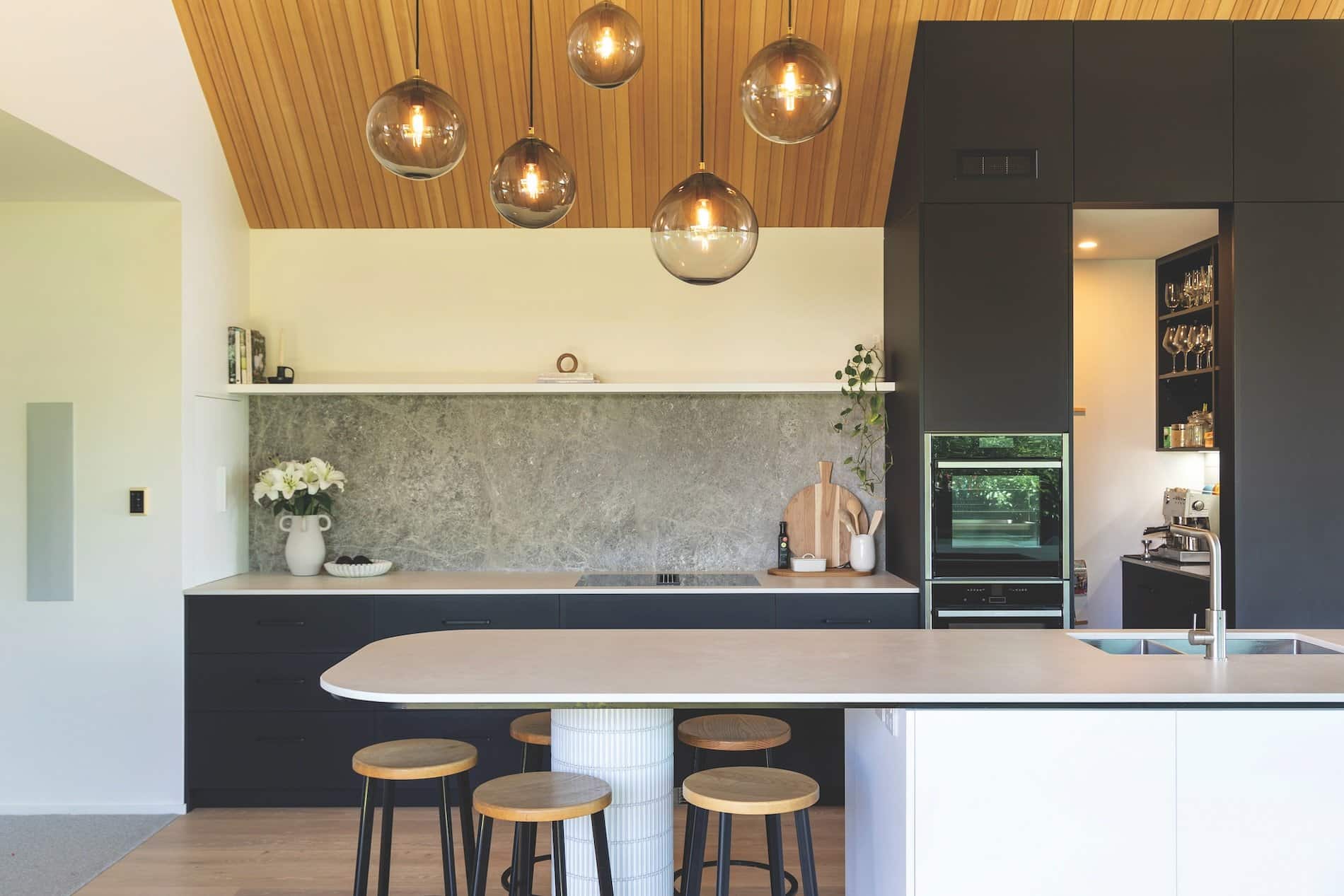
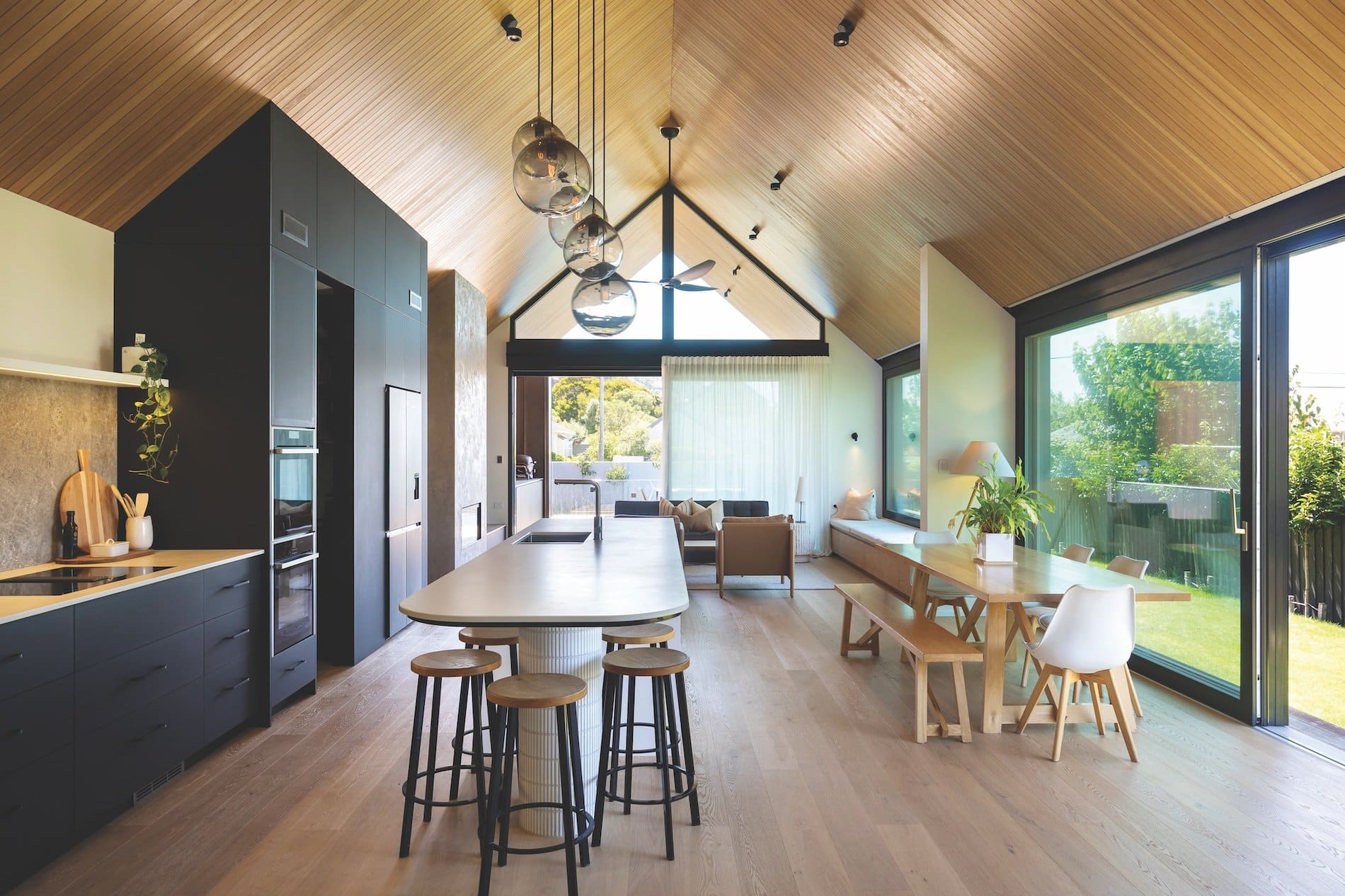
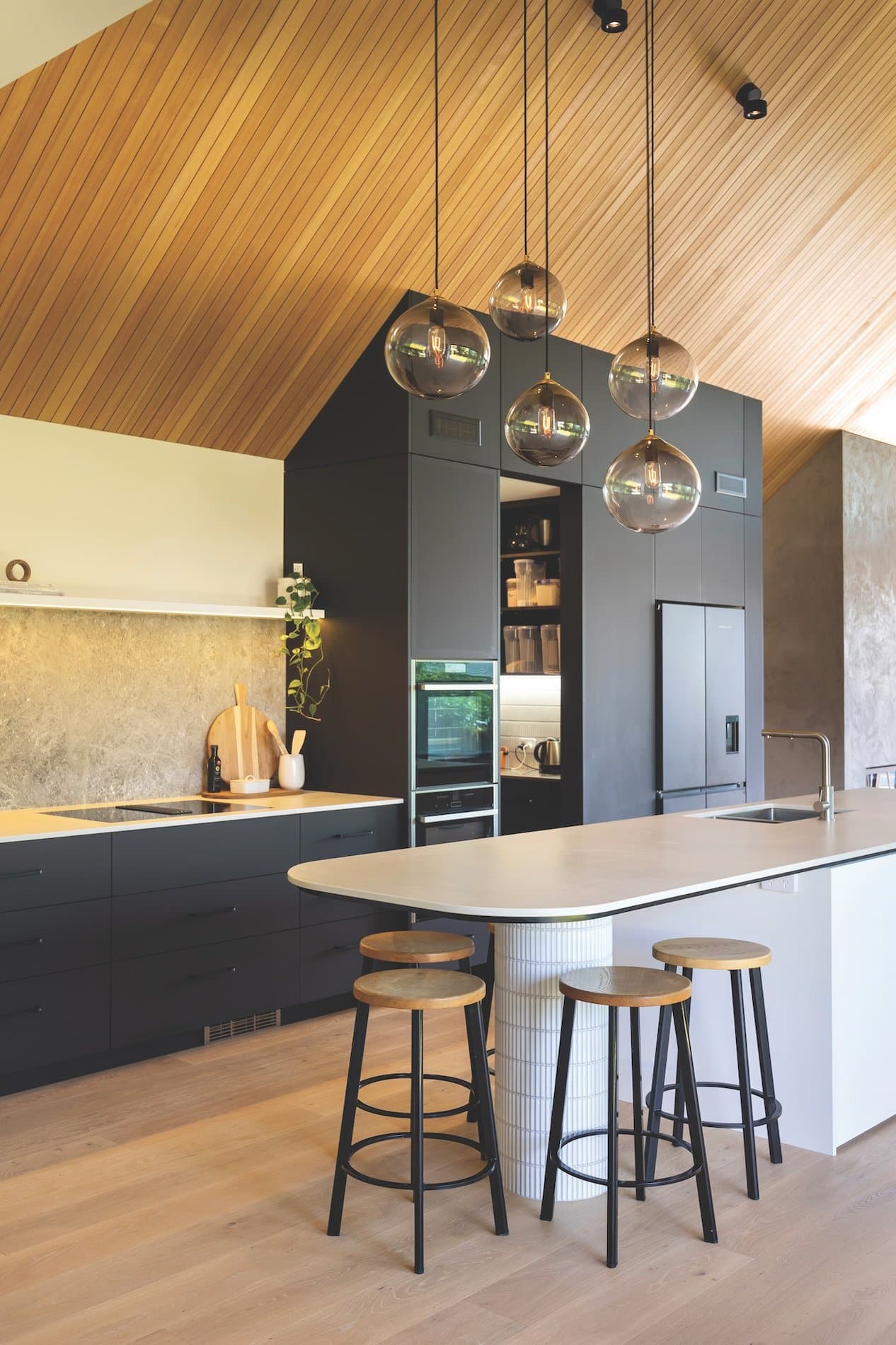
Oiled Timber Flooring in Christchurch Passive Home

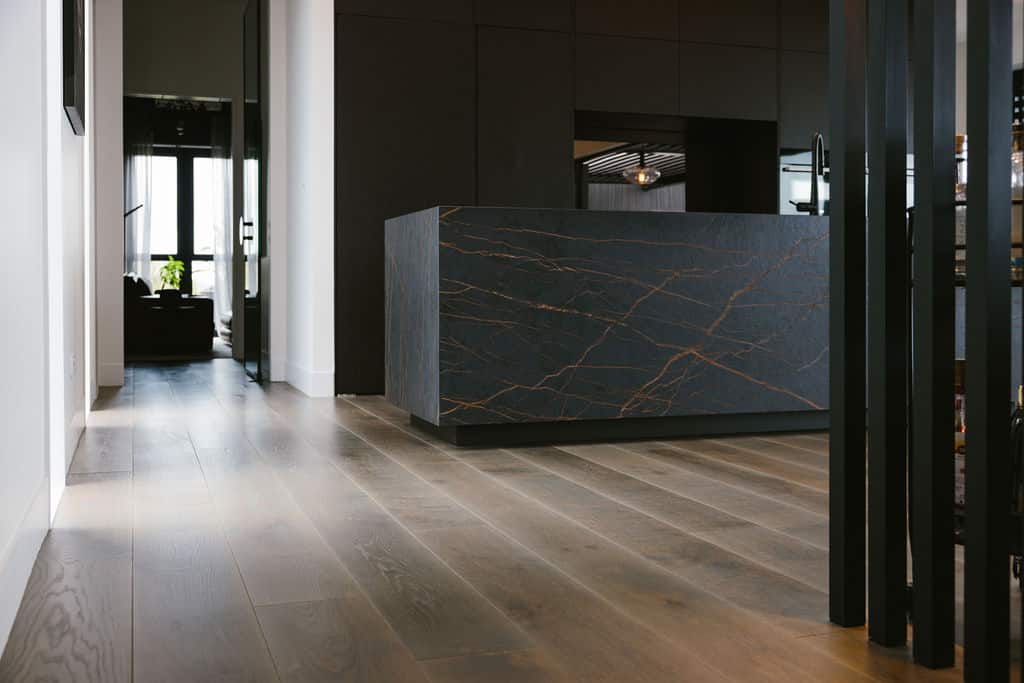
Architectural home featuring Vienna Woods Oak timber floor oiled

In the picturesque coastal suburb of Sumner, Ōtautahi, a groundbreaking home is setting a new standard for sustainable, high-performance living with its oiled timber floor. Designed by Aaron Jones, director at Urbanfunction, this project, aptly named “Peak Performance,” demonstrates how energy-efficient principles can harmoniously coexist with architectural elegance. The home is a testament to the evolving vision of residential design in Christchurch, emphasising environmental responsibility without compromising on comfort or style.

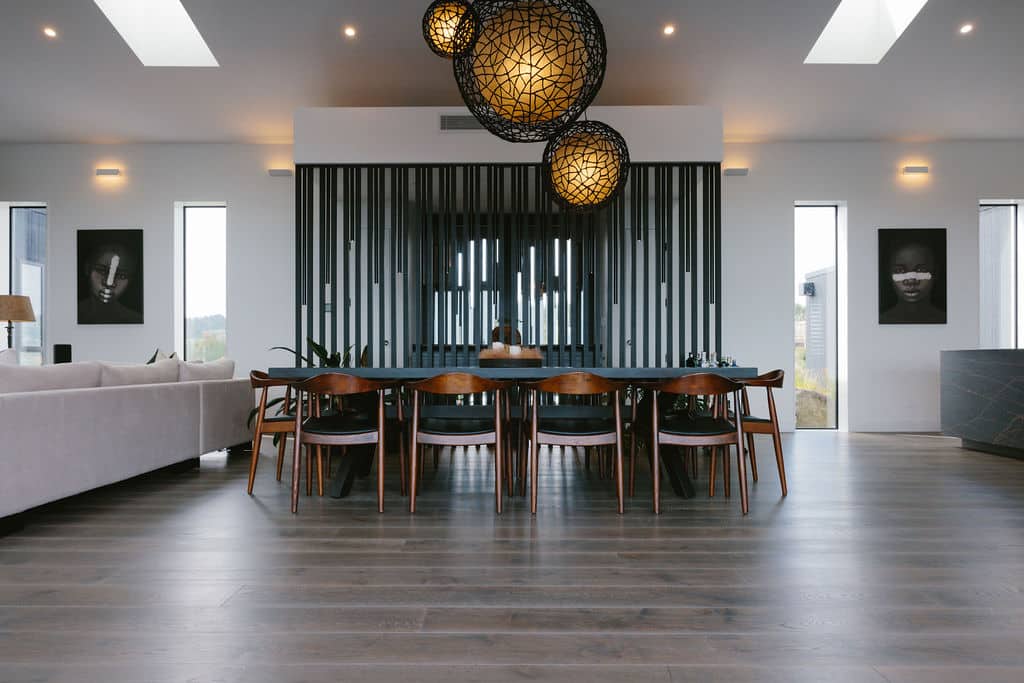
Architectural home featuring Vienna Woods Oak timber floor oiled

Vision and Execution

The brief for was clear: create a near-passive house that serves as a warm, inviting family home. This was a personal project for Aaron, as the clients were his sister and her husband. Having designed their previous home, Aaron was determined to exceed expectations with this new build. The result is a meticulously crafted 300sqm residence that integrates durable, natural materials and cutting-edge energy efficiency.

One of the standout features of this home is its use of a naturally oiled European oak timber floor, supplied by Vienna Woods and crafted by Admonter in Austria. This high-quality engineered oak flooring is not only visually striking but also contributes significantly to the home’s sustainability and indoor air quality.  The homeowner was quite particular about avoiding harmful chemicals and an oiled timber floor was the obvious choice.  See another NZ home with Admonter oiled floors here.

Architectural home featuring Vienna Woods Oak timber floor oiled

The Role of Oiled Timber Flooring

An oiled timber floor plays a crucial role in enhancing both the aesthetic and functional aspects of the Peak Performance home. The choice of a naturally oiled finish over traditional lacquers aligns perfectly with the project’s emphasis on health, sustainability, and durability.

Oiled timber floors offer several benefits:

  • Natural Look and Feel: The oil penetrates the wood, highlighting its natural grain and texture, giving each plank a unique and organic appearance.
  • Durability: The oil finish provides a robust protective layer that can withstand the wear and tear of a busy family home while being easy to maintain and repair.
  • Indoor Air Quality: Unlike some finishes that can off-gas harmful chemicals, natural oils are non-toxic, supporting the home’s goal of low to no off-gassing.
  • Sustainability: The oil used in finishing the floors is derived from natural sources, aligning with the home’s overall eco-friendly ethos.

These benefits were particularly important for the homeowners, who desired an airtight home with low to no off-gassing. The natural oiled finish of the Vienna Woods European oak flooring ensured that the indoor environment remained healthy and sustainable.

Read more about the benefits of naturally oiled wooden flooring here.

Havane 301 Distressed Timber Flooring

Collaborative Excellence

The success of the Peak Performance project was the result of a collaborative effort involving several skilled professionals. Aaron Jones and the team at Urbanfunction worked closely with suppliers and craftsmen to ensure every detail met the high standards required for a super high-performance home.

  • Architect: Aaron Jones, Urbanfunction
  • Bespoke Cabinetry: Podocarp Cabinetry, responsible for the custom-made kitchen cabinetry and American oak joinery, which complemented the natural aesthetic of the oiled timber floors.
  • Photography: Stephen Entwisle of Right Angles Photography, capturing the beauty and functionality of the home with stunning visuals.

Sustainable Design Features

In addition to the oiled timber flooring, the Peak Performance home incorporates several innovative features aimed at maximizing energy efficiency and sustainability:

  • Twin-Skinned Timber Framing: Thicker than standard building code requirements, providing superior insulation.
  • Cross-Laminated Panel Flooring System: Enhances the structural integrity and thermal performance of the home.
  • Triple-Glazed Windows: Imported from Lithuania, these windows optimize natural light and solar gain while minimizing heat loss.
  • Mechanical Ventilation Heat Recovery System (MVHR): Ensures optimal indoor air quality and energy efficiency by continuously exchanging indoor air with fresh outdoor air.

This home in Sumner stands as a beacon of what’s possible in sustainable residential design. With its naturally oiled European oak timber floors from Vienna Woods, it exemplifies the perfect blend of aesthetic beauty, durability, and environmental responsibility. As more homeowners seek to reduce their environmental footprint, the principles and practices demonstrated in this project will undoubtedly lead the way, showcasing the immense potential of super high-performance house design.

Why Choose Oiled Timber Flooring?

Architectural home featuring Vienna Woods Oak timber floor oiled

Choosing the right finish for your timber flooring is a crucial decision. Among the various options available, oiled timber floors offer a range of benefits that make them an excellent choice for both residential and commercial spaces. Here are the top reasons to consider an oiled wood floor:


1. Natural Aesthetic Appeal

Oiled timber floors maintain the natural beauty and character of the wood. The oil enhances the grain and texture, providing a warm and inviting look. Unlike other finishes, it doesn’t form a layer on top but penetrates the wood, giving it a more natural appearance.


2. Easy to Repair Scratches

One of the significant advantages of an oiled hardwood floor is the ease of repairing scratches. Minor scratches and scuffs can be easily buffed out with a bit of oil, restoring the floor to its original condition without the need for sanding or refinishing.


3. No Need to Sand and Refinish

With an oiled finish, there’s no need to sand and refinish the entire floor to address wear and tear. Regular maintenance involves reapplying oil to high-traffic areas, which is a straightforward process compared to the intensive work required for lacquered or varnished floors.


4. Customisable Colours

Oiled floors offer the flexibility to adjust the colour of your wood floor. The oil can be tinted to match your desired hue, allowing for a customised look that can enhance the overall aesthetic of your space. This makes it an ideal choice for designers and homeowners looking to achieve a specific ambiance.


5. Environmental Benefits

Opting for an oiled timber floor is an environmentally friendly choice. The oils used are often derived from natural sources and are less harmful to the environment compared to synthetic finishes. Additionally, the maintenance process is gentler on the environment, requiring fewer harsh chemicals.


6. Better Humidity Regulation

Oiled wood floors have the unique ability to better regulate the humidity of a room. The oil allows the wood to breathe, which helps maintain a balanced indoor climate. This can be particularly beneficial in areas with varying humidity levels, reducing the risk of warping or cracking.


7. Enhanced Durability

The oil penetrates deep into the wood, providing enhanced durability and protection from within. This internal protection helps the floor withstand daily wear and tear, making it a long-lasting option for high-traffic areas.


8. Healthier Indoor Air Quality

Using natural oils for finishing timber flooring can contribute to healthier indoor air quality. These oils often have lower volatile organic compounds (VOCs) compared to synthetic finishes, reducing the emission of harmful substances into the air.


9. Low Maintenance

Maintaining an oiled timber floor is relatively easy. Regular sweeping and occasional mopping with a damp cloth are usually sufficient to keep the floor clean. Periodically reapplying the oil keeps the wood nourished and protected, ensuring it remains in excellent condition for years.


10. Versatility in Application

Oiled finishes are versatile and can be applied to various types of wood, including engineered timber floors and natural wood flooring. This makes them suitable for a wide range of applications, from traditional hardwood floors to modern engineered options.


11. The Timeless Elegance of Oiled Timber Flooring

Oiled wood floors offer a timeless elegance that complements any interior style. Whether you prefer a rustic, traditional look or a sleek, modern design, an oiled finish enhances the natural charm of the wood, adding value and beauty to your space.


Choosing an oiled timber floor brings numerous benefits, from easy maintenance and repair to environmental advantages and improved indoor air quality. Its natural, customisable finish and ability to regulate humidity make it a practical and aesthetically pleasing choice for any home or commercial space. By opting for an oiled finish, you ensure a beautiful, durable, and eco-friendly wood floor that will stand the test of time.

Havane 301 Distressed Timber Flooring

Sustainable and Compliant Oiled Timber Flooring in Whitford

This recently completed a project in Whitford, showcases a rich dark oiled timber flooring, named Pina (after the infamous cocktail) finished with hard wax oil. This case study delves into the technical aspects, sustainability, and compliance features of this installation, which makes it a notable reference for architectural and interior design professionals.  Pina is an option from The Distilled Collection, a range of timber floor options produced in Europe from slow-grown, FSC-certified Lithuanian Oak, finished to the highest standard.  The Distilled Collection carries a number of subtle superiorities such as dense, hard-wearing oak, longer-than-usual board lengths and unique grain patterns.

Product Overview

The selected oak flooring for the Whitford project is treated with hard-wax oil, enhancing the natural beauty and durability of the wood. Hard wax oils penetrate the wood, providing robust protection against wear and moisture, while maintaining the wood’s breathability. This treatment ensures a longer lifespan and easier maintenance compared to traditional finishes.

Benefits of Oiled Timber Flooring

An oiled floor can offer a number of benefits over alternatives, but the main considerations for the client were:

  1. Option to “tint” the colour of the floor through the oil maintenance process.  If a darker hue is desired, a tint can be added to the maintenance oil.
  2. The enhanced natural beauty.  People generally sense the look and feel of naturally oiled timber if given the option.
  3. Improved durability and longevity.  With the correct maintenance, oiled floors are known to last…. well…. centuries, however most alternative require a sanding and refinishing coat to extend the life.
  4. Eco-friendly and safe.  Hard wax oils are derived from plant oils and in this case the oil carries a zero VOC certification.

Read about the differences between oiled and lacquered floors here.


vienna_woods_maea

E3 Compliance of Oiled Timber Flooring 

Contrary to common belief, oiled floors can comply with the E3 Building Standard, which focuses on interior moisture management and surface finishes. The Whitford project demonstrates that with the correct application and maintenance, oiled timber floors meet these standards effectively, offering an alternative to the more common lacquered finishes. The project used the Parabond Parquet 440 adhesive, which plays a crucial role in compliance by acting as a moisture vapour barrier when used with a suitable primer, even on damp substrates.

Technical Specifications of Parabond Parquet 440 Adhesive

Parabond Parquet 440 is a high-performance adhesive designed for wood floors, providing an excellent bond and flexibility that accommodates natural wood movement. Notable characteristics include:

  1. Composition: Solvent-free, isocyanate-free, and phthalate-free hybrid polymer.
  2. VOC Emissions: Rated EC1plus for very low emissions, ensuring indoor air quality and compliance with stringent environmental standards.
  3. Suitability as a Vapour Barrier: When applied correctly, it acts as an effective moisture barrier, crucial for installations over concrete or where moisture might be a concern.

Sustainability Considerations

Both the engineered oak flooring and the Parabond Parquet 440 adhesive contribute to the project’s sustainability profile:

  1. Engineered Oak Flooring: Features a no-added-formaldehyde construction and an FSC certification, ensuring the wood is sourced from responsibly managed forests.
  2. Parabond Parquet 440 Adhesive: Carries a zero VOC rating and does not contain any carcinogenic, mutagenic, or reprotoxic substances. It is compliant with GEV-EMICODE EC1 Plus, indicating the lowest possible emission levels.

The Whitford project by Vienna Woods exemplifies how sustainable practices can be seamlessly integrated with technical excellence in modern flooring installations. By using materials like the FSC-certified engineered oak and eco-friendly adhesives such as Parabond Parquet 440, Vienna Woods not only meets regulatory compliance but also addresses the growing demand for environmentally responsible building materials.

Images // Jo Currie

The environmental benefits of engineered timber flooring

Engineered timber flooring can be a more environmentally-friendly flooring option compared to some other types of flooring. Here are some of the environmental benefits of choosing engineered timber flooring for your home:


  1. Sustainable sourcing: Many engineered timber flooring products are made from wood that is sourced from sustainably-managed forests, which helps to preserve natural forests and promote responsible forestry practices.
  2. Recycled materials: Some engineered timber flooring products are made from recycled materials, such as sawdust or recycled wood fibers, which reduces waste and conserves resources.
  3. Long lifespan: Engineered timber flooring is a durable and long-lasting flooring option, which means it can be used for many years before needing to be replaced. This reduces the amount of flooring material that needs to be produced, transported, and disposed of over time.
  4. Low VOC emissions: Many engineered timber flooring products have low volatile organic compound (VOC) emissions, which means they release fewer harmful chemicals into the air when installed. This can improve indoor air quality and contribute to a healthier home environment.
  5. Can be recycled: When it comes time to replace your engineered timber flooring, the wood can be recycled or repurposed, further reducing its environmental impact.

In summary, choosing engineered timber flooring for your home can offer a range of environmental benefits, including sustainable sourcing, the use of recycled materials, a long lifespan, low VOC emissions, and the ability to be recycled.

At Vienna Woods we committed to continually improving our commitment to sustainability. This is an ever evolving promise to source and work with suppliers who are committed to developing and delivering more sustainable products. We are proud to share some of the certificates our products have received as a part of this process.

Sustainable Timber Flooring

Quick answer: The most sustainable timber floor available in NZ is engineered European oak with credible certification. An engineered board uses a 4mm oak wear layer over a fast-grown ply core, so the same slow-grown oak goes four to five times further than in a 19mm solid board — and a quality floor lasts 25–30+ years. Vienna Woods holds FSC Chain of Custody certification, and the Distilled Collection is FSC-certified with forest-to-floor traceability. Here is what those claims actually mean, and how to verify them on any flooring quote.

Managed European forest — the source of slow-grown oak for sustainable engineered timber flooring

Why engineered construction is the sustainable choice

Sustainability in timber flooring is mostly a resource-efficiency question. A solid 19mm oak floor is 19mm of slow-grown hardwood; an engineered board carries a 4mm oak wear layer bonded to a multi-ply core of fast-growing softwood. From the same oak log, engineered construction produces roughly four to five times more flooring — with better dimensional stability in NZ conditions as a bonus, not a trade-off.

Longevity compounds the gain. A 4mm wear layer takes two to three re-sands over a 25–30+ year life, and an oiled floor that gets regular maintenance oil top-ups may never need a full sand. A floor you refinish instead of replace is the most under-rated sustainability feature there is.

FSC Chain of Custody — what it actually certifies

“FSC certified” gets used loosely. The claim that matters is Chain of Custody (CoC): an unbroken, independently audited chain of certificate holders from the forest to the company that sells you the floor — forest manager, sawmill, flooring factory, importer. If any link in the chain lacks its own certificate, the claim breaks. Vienna Woods holds FSC Chain of Custody certification, which is what allows FSC-certified product — like the Distilled Collection of slow-grown European oak — to be sold in NZ with the claim intact.

How to verify any supplier’s claim, ours included: ask for their FSC CoC certificate code and check it on the FSC public database (info.fsc.org), and confirm the FSC claim appears on the sales invoice for your specific product line. A showroom poster is not a chain of custody.

Green Star — where certified timber earns credits

For Green Star projects in NZ, timber must carry credible third-party certification (FSC or PEFC) to contribute toward responsible-products credits — uncertified timber doesn’t qualify, whatever its origin story. This is why FSC traceability is increasingly a hard requirement in commercial tenders, not a nice-to-have. Vienna Woods is MasterSpec listed with NZBC-compliant technical and acoustic documentation, so specification and evidence paperwork is straightforward for project teams — see our commercial timber flooring page for the full specifier picture.

At CAB Residences — the Category A heritage tower on Aotea Square — FSC traceability and European-made specification were non-negotiable conditions of the 700m²+ wide-plank spec. That is the direction commercial procurement is moving.

A note on NABERSNZ: it rates a building’s operational energy performance, so flooring doesn’t directly affect a NABERSNZ score. Where certified timber counts is Green Star, embodied-carbon assessments and tenant ESG reporting.

Embodied carbon — timber’s quiet advantage

Growing timber absorbs CO₂, and that carbon stays locked in the boards for the life of the floor. Timber stores roughly 0.9 tonnes of CO₂ per cubic metre, so a 15mm engineered oak floor holds in the order of 13kg of CO₂ per square metre in the material itself — before comparing the manufacturing footprint against energy-intensive alternatives like ceramic tile or vinyl. For project teams running embodied-carbon assessments, environmental product declarations (EPDs) are available for our European manufacturing partners on request.

Where our oak comes from

Every Vienna Woods floor starts as slow-grown European oak from managed Central European forests, where harvest is regulated below regrowth and European Union timber legality rules (EUTR, transitioning to EUDR) apply to the supply chain. The Admonter collection is engineered and finished in Austria by a mill that runs on its own biomass energy; the Distilled Collection is the FSC-certified line. More detail on the species itself is in our European oak flooring guide.

What we don’t claim

Honest sustainability has edges. Our oak crosses the world by sea freight — that footprint is real, though small per m² relative to the floor’s decades of service life. Not every collection is FSC-certified — certified lines are identified explicitly, and we won’t put the claim on product that doesn’t carry it through the chain. And finishes matter: our floors use UV-cured lacquers and natural oils rather than site-applied solvent coatings, but “zero impact” flooring doesn’t exist. If a flooring pitch sounds like it has no trade-offs, ask for the certificate codes.

Light-filled interior with FSC-certified Distilled Collection engineered oak flooring, Waiheke Island project

Sustainable timber flooring — frequently asked questions

Is engineered timber flooring more sustainable than solid timber?
Yes, on resource efficiency. An engineered board uses a 4mm oak wear layer over a fast-grown ply core, so the same slow-grown oak produces roughly 4–5 times more flooring than 19mm solid boards — and it performs better over concrete slabs and underfloor heating in NZ conditions.
What does FSC Chain of Custody mean?
An unbroken, independently audited chain of FSC certificate holders from forest to seller — forest manager, mill, factory, importer. If any link lacks its own certificate, the claim breaks. Verify any supplier’s claim by checking their certificate code on the FSC database and confirming the FSC claim appears on your sales invoice.
Does timber flooring count toward Green Star credits in NZ?
Yes — timber with credible third-party certification (FSC or PEFC) can contribute toward Green Star responsible-products credits. Uncertified timber doesn’t qualify. Vienna Woods holds FSC Chain of Custody certification and is MasterSpec listed with NZBC-compliant documentation for project evidence.
How much carbon does a timber floor store?
Timber stores roughly 0.9 tonnes of CO₂ per cubic metre, so a 15mm engineered oak floor holds in the order of 13kg of CO₂ per square metre in the boards themselves, locked away for the floor’s 25–30+ year life.
Is all Vienna Woods flooring FSC certified?
No — and we say so. Vienna Woods holds FSC Chain of Custody certification, and certified lines like the Distilled Collection carry the claim through the full chain. Collections that aren’t certified are never sold with the claim. Ask us for certificate codes and invoice claims on any line you’re specifying.

Related Vienna Woods guides

Specifying a certified floor?

Order samples from the certified lines, or talk to us about FSC documentation, Green Star evidence and acoustic data for your project.

Order samples   Book a consultation