All About Colour Variation

Colour Variation Is Naturally Beautiful

Many of our clients ask us about colour variation. It’s important to note that there will always be colour variation with wood flooring.

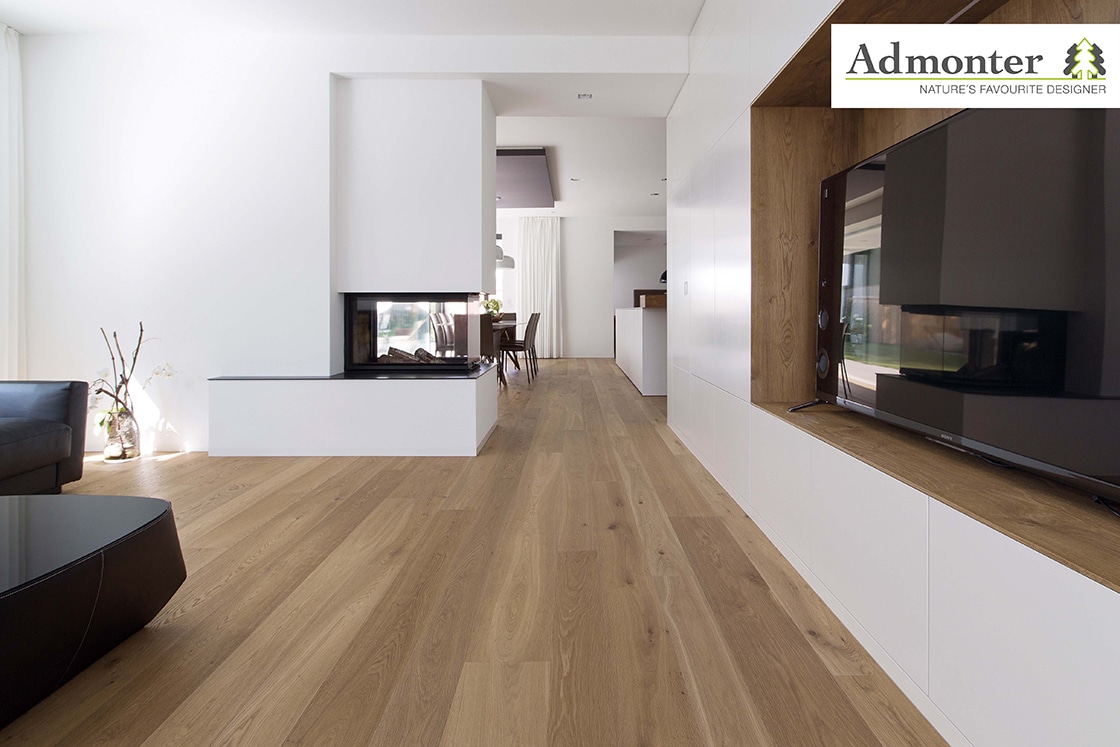
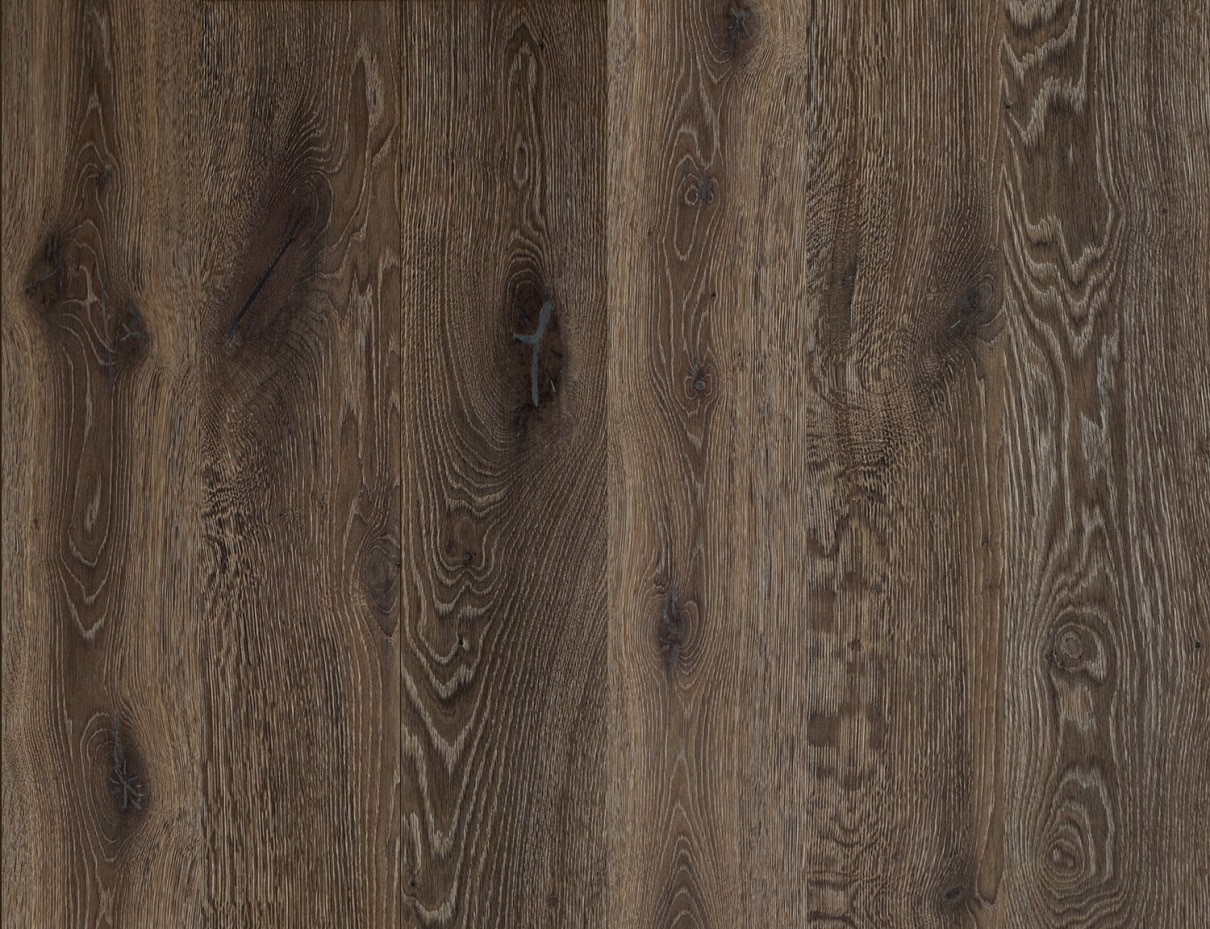
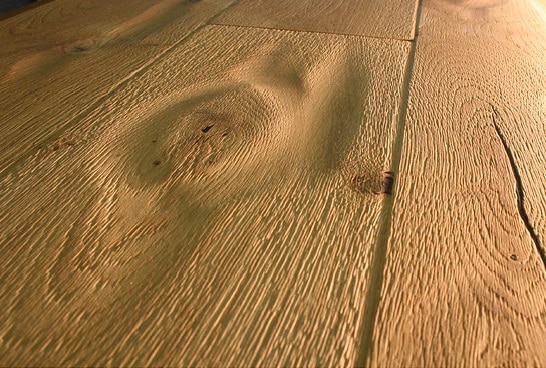
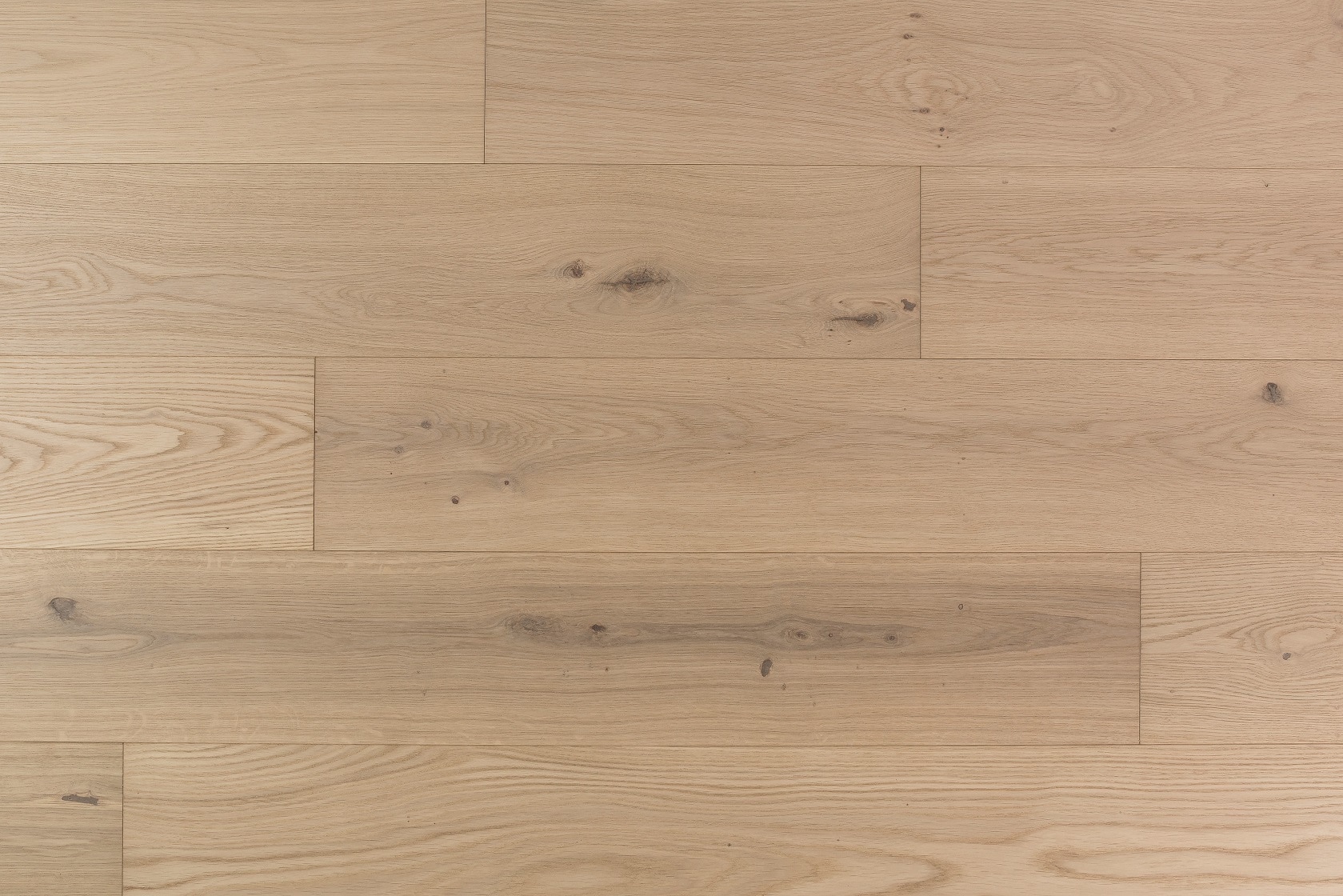
Using oak as the example, you’ll see colour and grain variation from board to board, and also differences between batches. This is a feature of oak and is to be celebrated; it’s these natural differences that ensure your real wood floor looks as natural as possible. If the colour were too uniform you may end up with a floor that looks less natural and more like laminate or vinyl.

Remember that oak doesn’t discriminate; no matter what type of oak it is, the country of origin or where you buy it from, there will always be a natural colour variation from board to board.

Varying tannin levels and different grain patterns are contributing causes of colour variation – for example, where you have more open grain compared to tighter grain structure, this may also result in some colour variation.

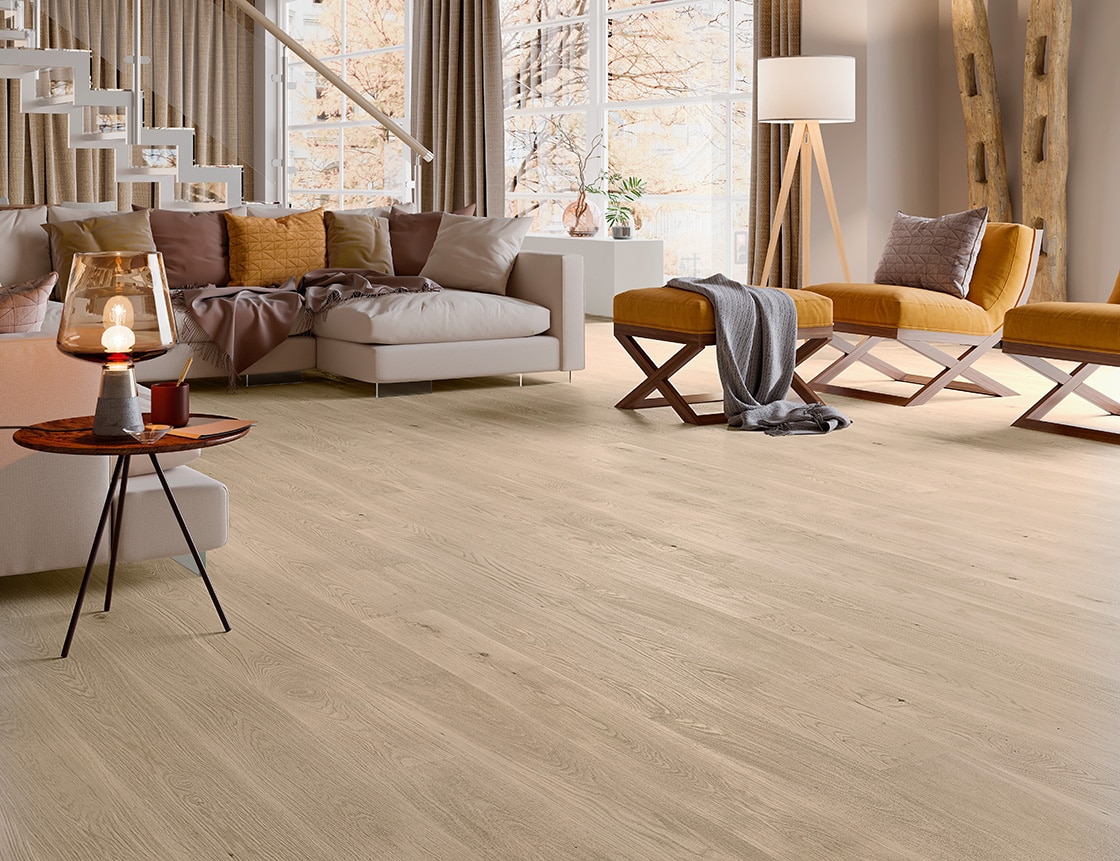
This natural variation is one reason why a small hand sample may look quite different to the installed floor. It’s important to note that small samples are just an indication of the general colour tone and grain pattern effect.

Wood Treatments

Some wood treatments can highlight colour differences – such as with smoked oak. As the smoking process relies on tannin levels in the oak to colour the wood, you will see a range of colours from the tannin variation throughout your flooring. This is a valued feature of smoked oak flooring and helps create a very organic and natural atmosphere.

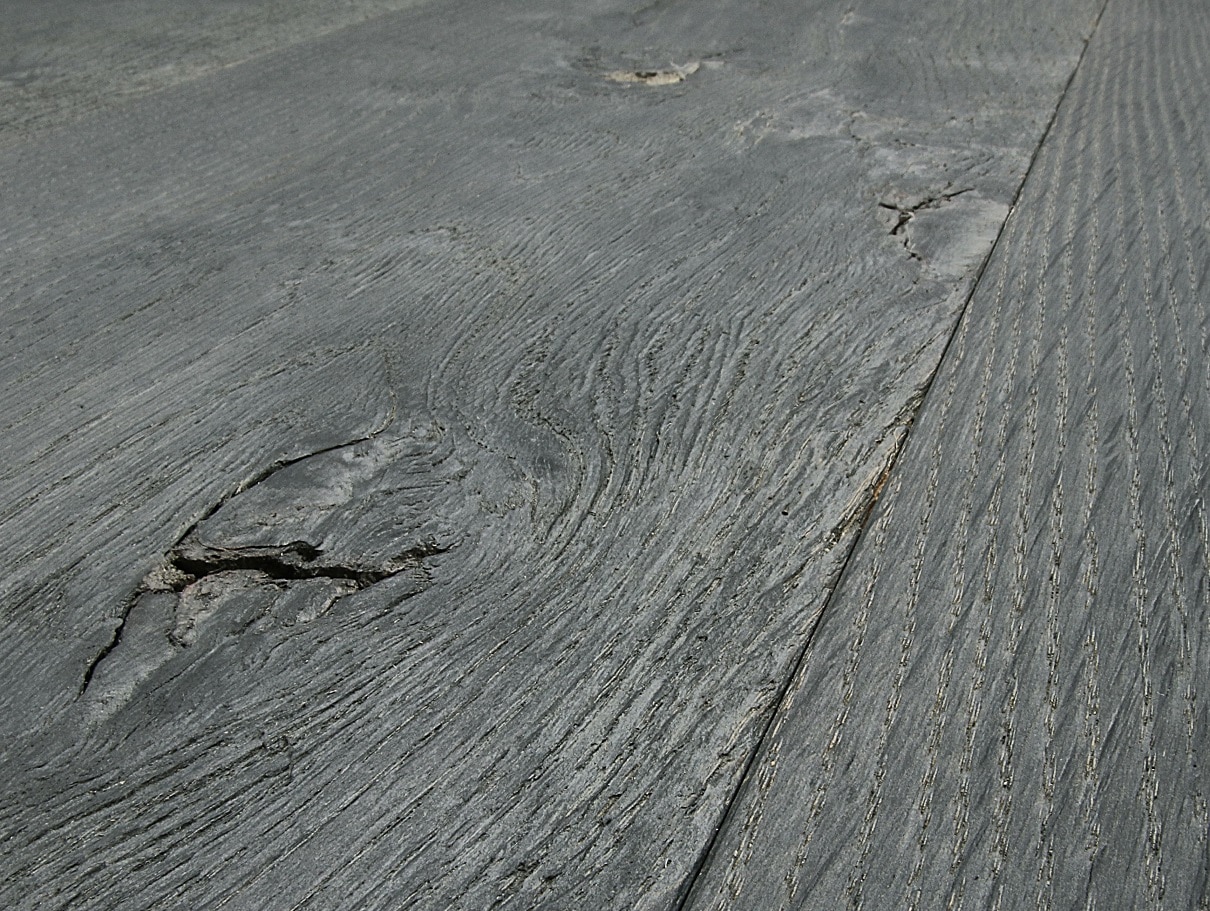
The process of aging oak can also contribute to colour variation. For example the use of reactive stains will highlight colour differences. You may see a wide range of colours throughout your flooring from a single reactive stain colour – a grey colour may appear light grey and dark grey in the same floor. This variation produces a very attractive and popular aged effect.

Colour Differences From Custom Colours

This is a slightly different topic as we’re not talking so much about variation in colour throughout your floor (although this will still exist), we’re looking at the variation you will see during the process of creating your custom colour.

If you’re getting colour samples produced on different pieces of oak (eg. different board sizes from different manufacturers), you may see substantial colour differences. For example, a tinted oil that appears almost black on Ukrainian oak may appear a mid-brown tone on Lithuanian oak.

Another factor that affects the final colour is texture; a deeper brushed structure on the same piece of oak will typically make the same colour appear darker compared to the same oak with a lightly brushed texture.

How To Obtain Less Colour Variation

One way that you may realise a floor with less variation is to buy a prime grade of oak without knots. In general, the colour variation can be less with this oak grade, however there will still be some variation.

Another way to minimise variation is to buy European made engineered wood flooring. Remember also that just because the oak is ‘European’, it doesn’t mean your floor has been manufactured in Europe. The vast majority of European oak flooring sold in New Zealand is sourced from China.

In general we tend to see more colour variation and less consistency in wood flooring sourced outside of Europe. That’s not to say you can’t get wood flooring with a lot of variation sourced from Europe – you certainly can, but it depends on what treatment the wood has gone through (as mentioned above).

Many European manufacturers offer ranges with more variation as a feature, so there are always exceptions.

The best thing to do is talk to your wood flooring supplier – ask them what is the typical colour variation of the product you’re interested in. Ask to see photos that reflect the average colour variation.

Lastly, embrace the colour variation as this is intrinsic to all wood. Colour and grain variation is one aspect that helps bring a beautiful and natural atmosphere to your interior.
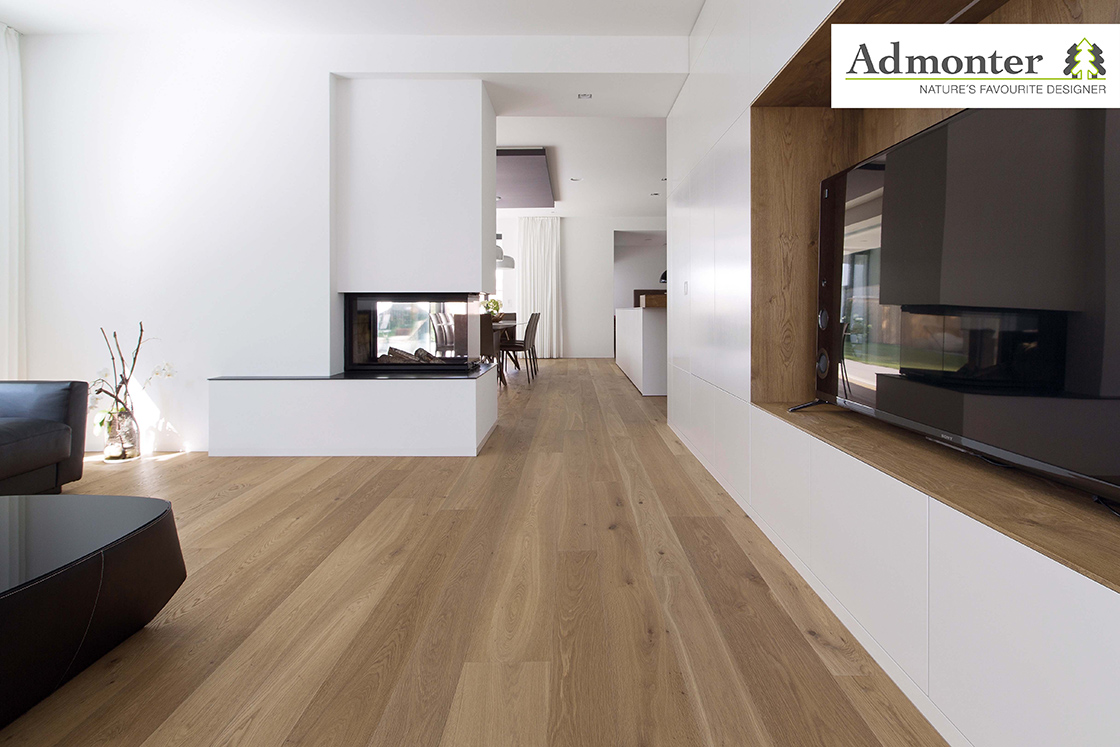
Admonter Oak Seta
Custom Timber Flooring Imports

Special Imports Tailored to Your Living Space

Custom timber imports tailored to your project: Whether you’re after wide‑plank oak, reclaimed timber, or a special colour, we’ll connect you with European mills who can make it happen. You design it—we’ll import and bring it to Aotearoa, ready to lay.

Why Choose Custom Timber Flooring?

When you select a custom wood floor, you get more than just a beautiful surface – you receive a floor that reflects your individuality and enhances the natural aesthetic of your living space. Our special imports allow you to choose from various premium woods, finishes, and textures, ensuring that your new floor complements your design vision.

We collaborate closely with leading manufacturers across Europe, ensuring that every imported timber floor meets the highest quality standards. From European oak to reclaimed wood, our range of bespoke timber floors brings elegance and sophistication to any project.

Crafted for Durability and Longevity

Each of our custom timber flooring imports is chosen for its resilience and longevity. Our flooring products are designed to withstand daily wear while maintaining their natural beauty. Whether you’re renovating a single room or designing an entire home, our tailored flooring solutions provide a timeless foundation for your interior spaces.

Expert Advice and Consultation

Our team is here to guide you through the process of selecting the perfect custom timber floor for your project. We understand that every home is different, which is why we offer personalised advice and detailed consultations.  Our objective is to ensure that your flooring choice aligns with your lifestyle, design, and practical needs.  Schedule a consultation with a Vienna Woods expert here.

Elevate Your Space with Tailored Timber Imports

Choosing a custom timber floor from Vienna Woods means choosing unmatched quality and personalisation. We invite you to explore our selection of bespoke flooring imports, and discover how we can help turn your design dreams into reality.

Contact us today to discuss your project and request a sample of our imported timber floors.

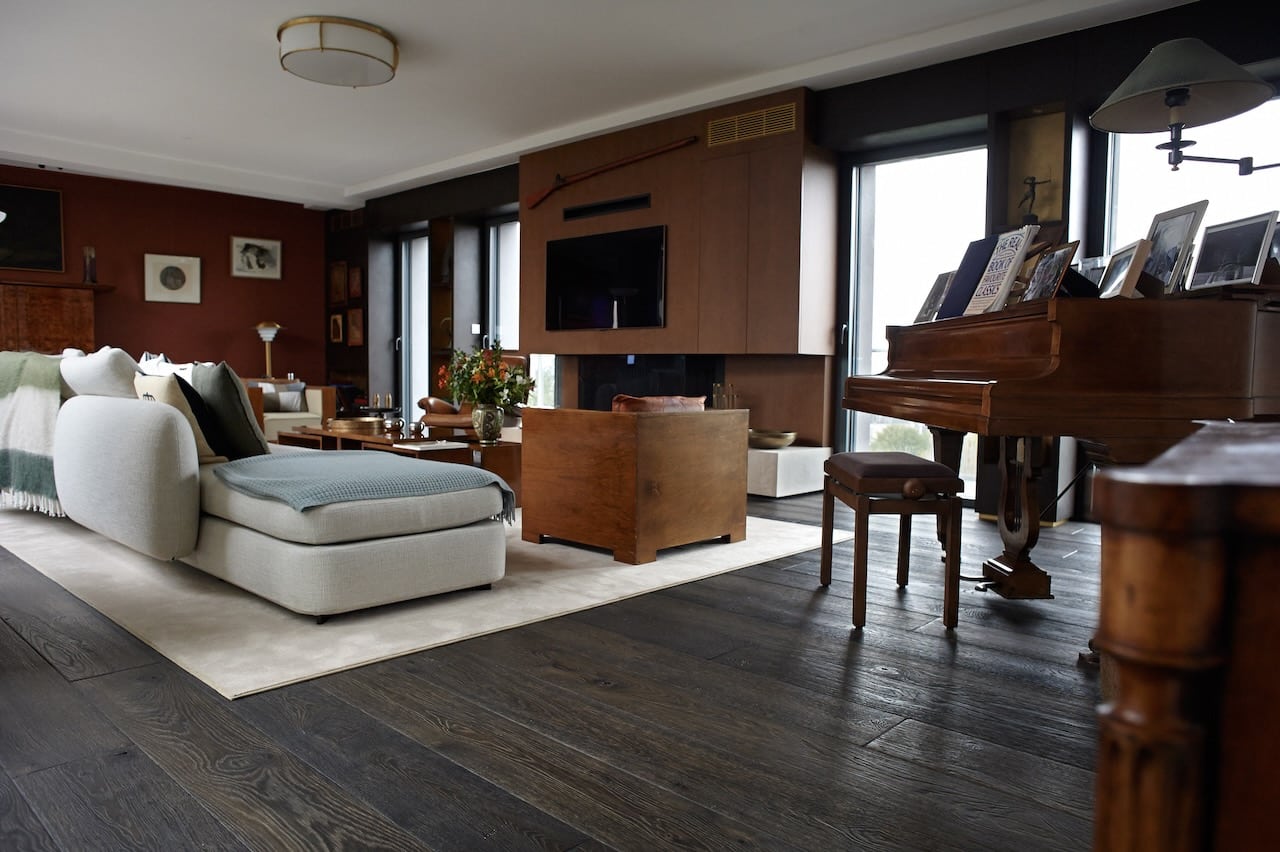
Custom flooring import thermal treated timber floor dark brown in living room with piano
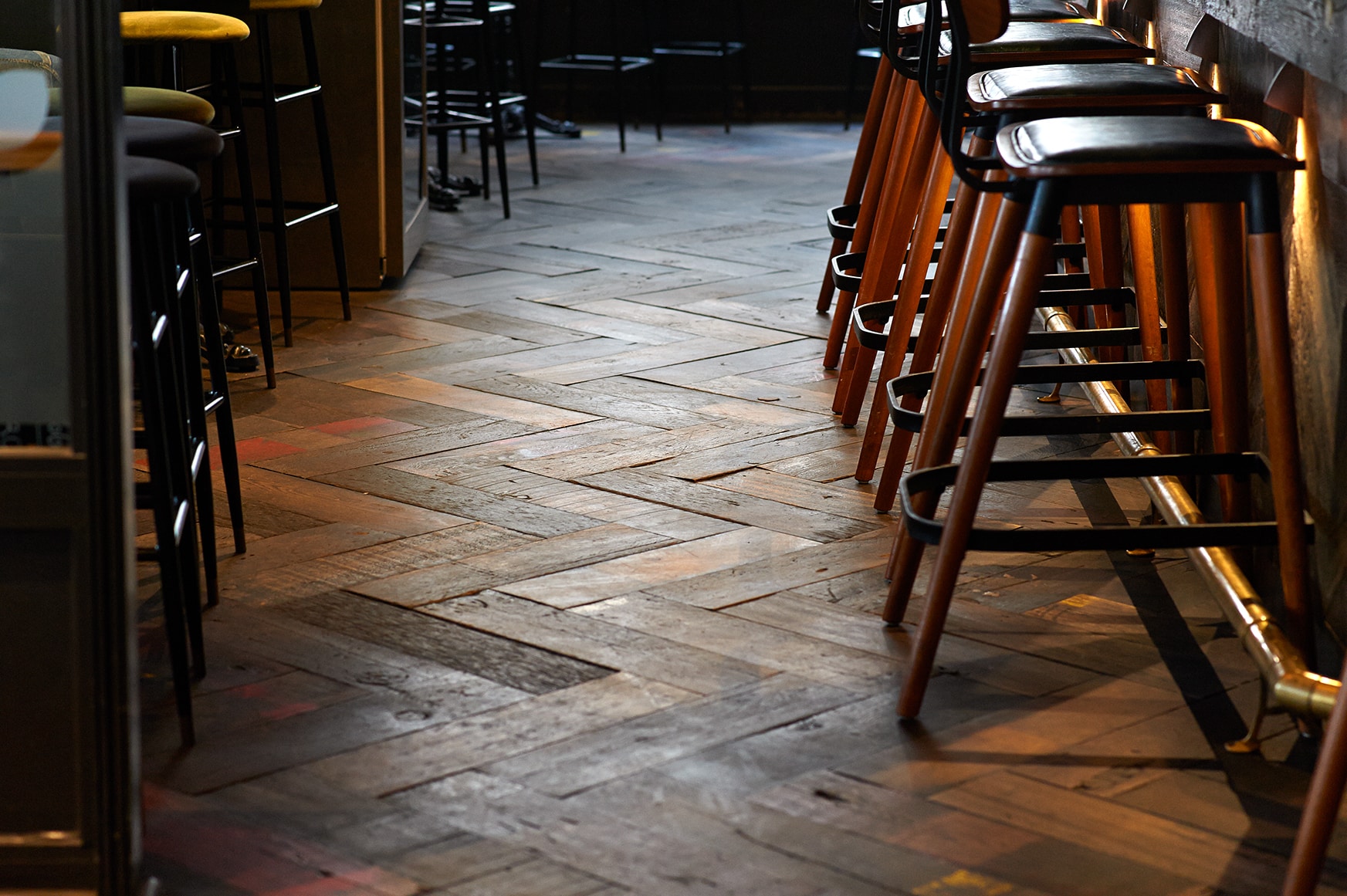
Wagon Back Herringbone Reclaimed French Oak Flooring

Vienna Woods // Reclaimed Wagon Oak Herringbone

Wagon Back Herringbone Reclaimed French Oak Flooring

Vienna Woods // Admonter // Reclaimed Hacked

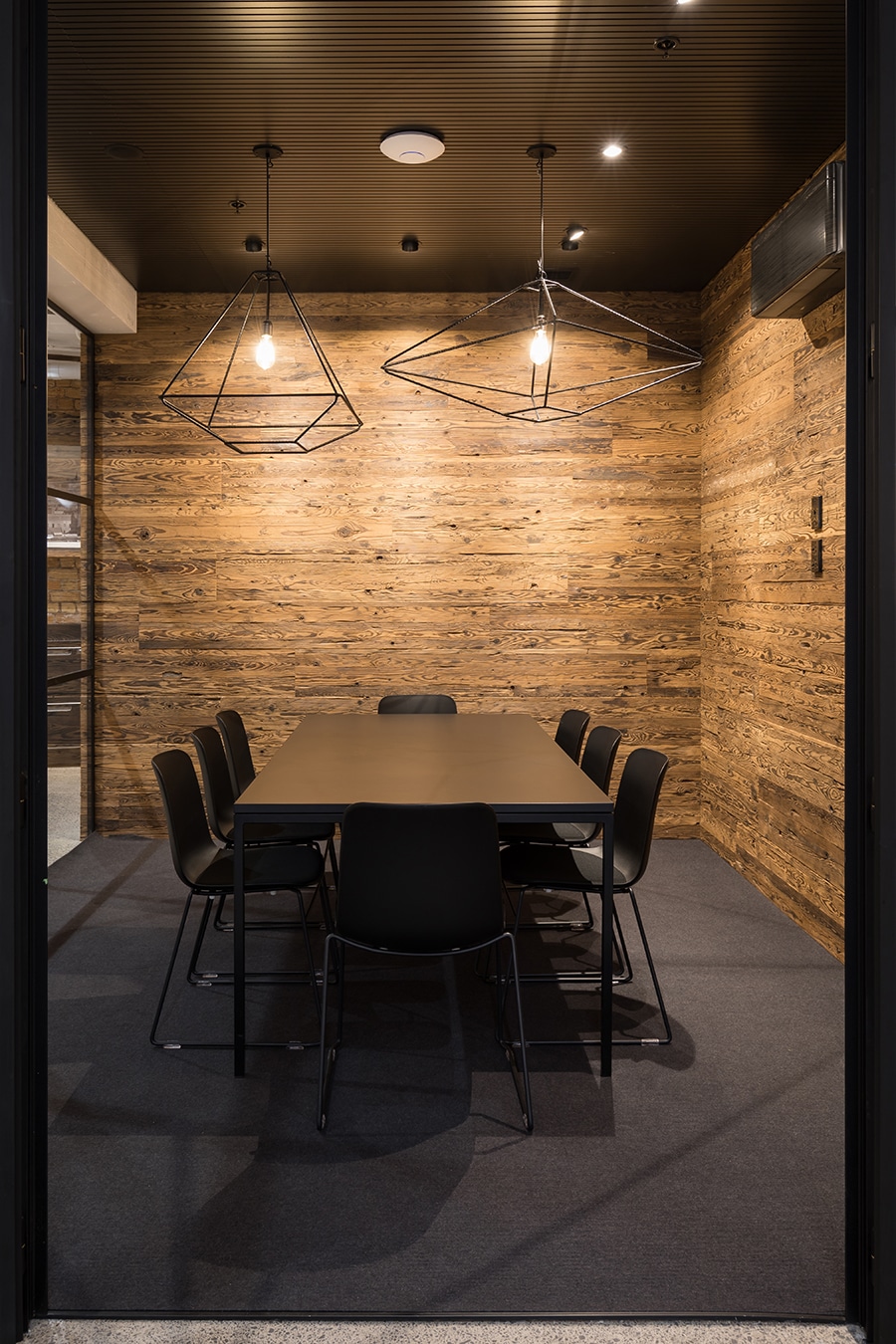
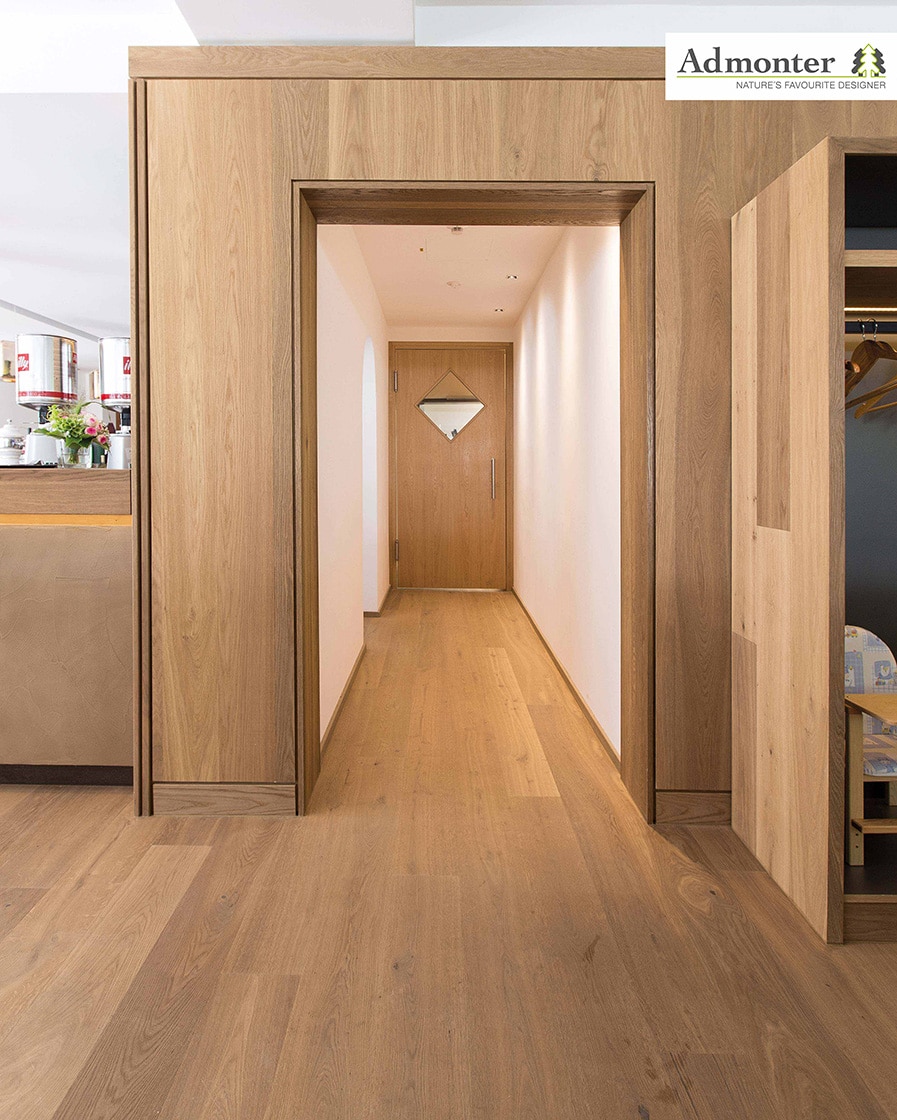
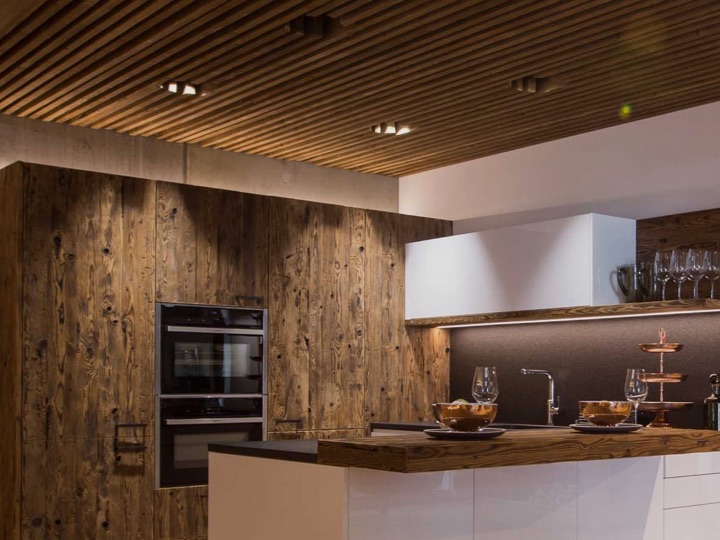
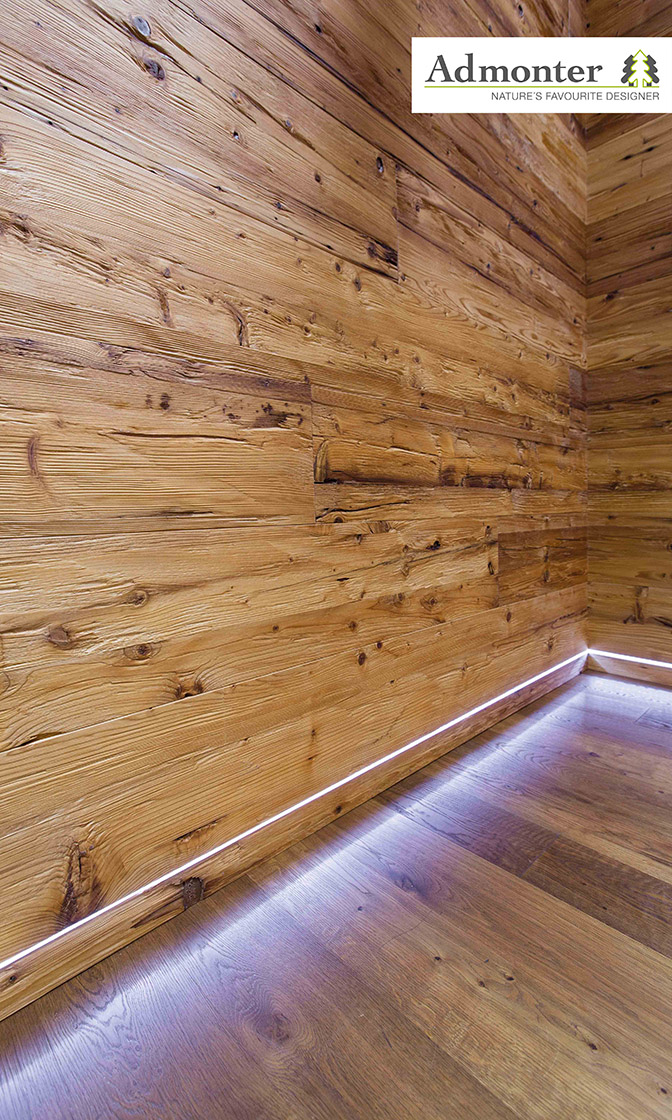
Using Complementing Woods on Walls, Ceilings and Cabinetry

The use of complementing woods on walls, ceilings and cabinetry is for the individualist who appreciates the beauty intrinsic to wood.

With Admonter’s range of wall cladding and panels, you can easily lift your interior to an inspiring level. You may choose to use either matching wood colours (the same as your Admonter natural wood floorboards), or complementing colours combined with unique textures to encourage an organic, natural ambience.

Panels: Natural wood panels from Admonter let you give full rein to your creativity in all manner of different situations, whether you chose a classic hardwood or reclaimed and aged wood panel, Admonter wood panels have earned a name for themselves.

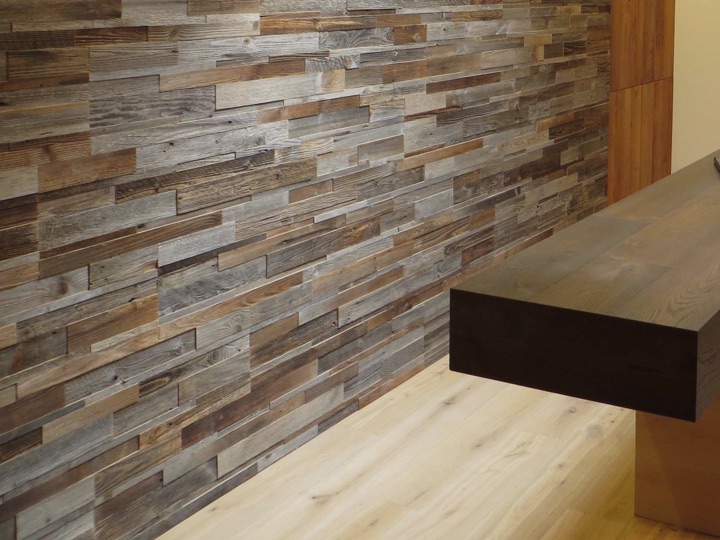
Cladding: A range of wall elements are available such as Galleria or CUBE. These are interlocking engineered wood panels that work in a similar way to floorboards (installed in a random/brick pattern). This special range of cladding features textures and designs not possible to achieve with floorboards.

Admonter Galleria Reclaimed Wood H2 Hacked

Admonter Cube

Of course you may also use our floorboards on walls and ceilings and many of our clients choose to do so.

Latest Timber Flooring Trends

COLOUR TRENDS / AGED WOOD / TEXTURES / FINISHES

COLOURS

Almost anything goes these days in terms of fashionable wood flooring colours; here are some of the trends we’re seeing on a consistent basis:

Light beige or light brown colours with grey under tones are popular; also mid-brown/grey, especially in smoked oak which brings a unique depth of colour to the flooring. See Imperial Oak, or Empire Oak, for example.

Smoked Oak – Admonter Oak Seta

Colours suitable for a Scandi-inspired interior are still popular; such as off-whites, cream and natural tones without too much yellow. Oak Cashmere is a good example of a neutral ‘Natural’ tone.

Nordic Inspired – Oak Cashmere

Dark and moody flooring has definitely made a strong return. An example of this is Oak Moonlight which is an oiled finish featuring dark hues and an attractive aged appearance. See also, Oak Onyx if you love extra wide boards.

Dark & Moody – Oak Moonlight

Grey tones continue to be popular, as it works exceptionally well with most other decors and provides a sophisticated foundation to your interior. Popular grey colours include Oak Karkula, Oak Constance and Admonter Oak Grey.

Sophisticated Grey – Chateau Oak Constance

AGED WOOD

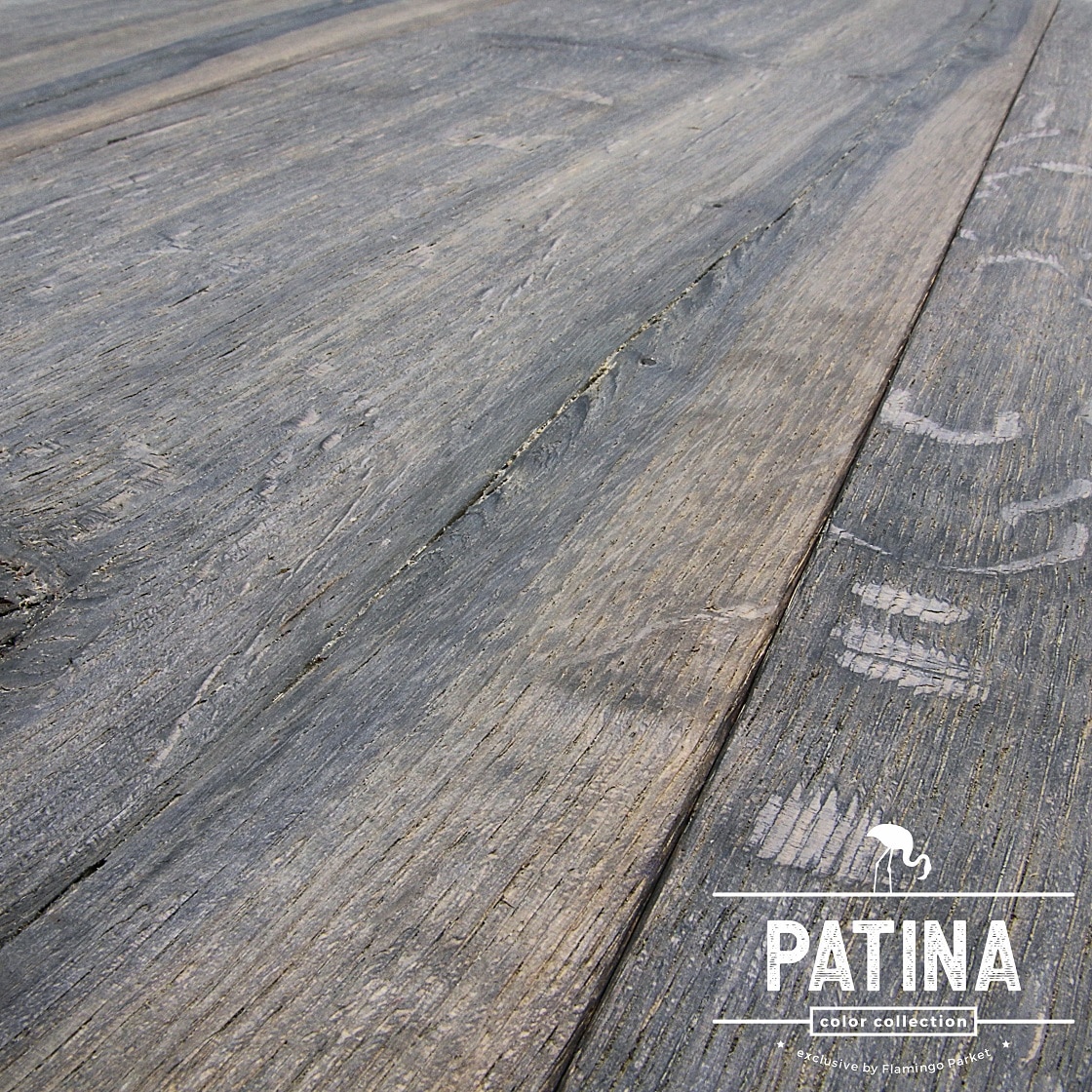
There are a range of methods used to age the wood; speciality wood stains that react with the tannin to subtly age the wood are very popular. See our Chateau or Raftwood Patina ranges for examples.

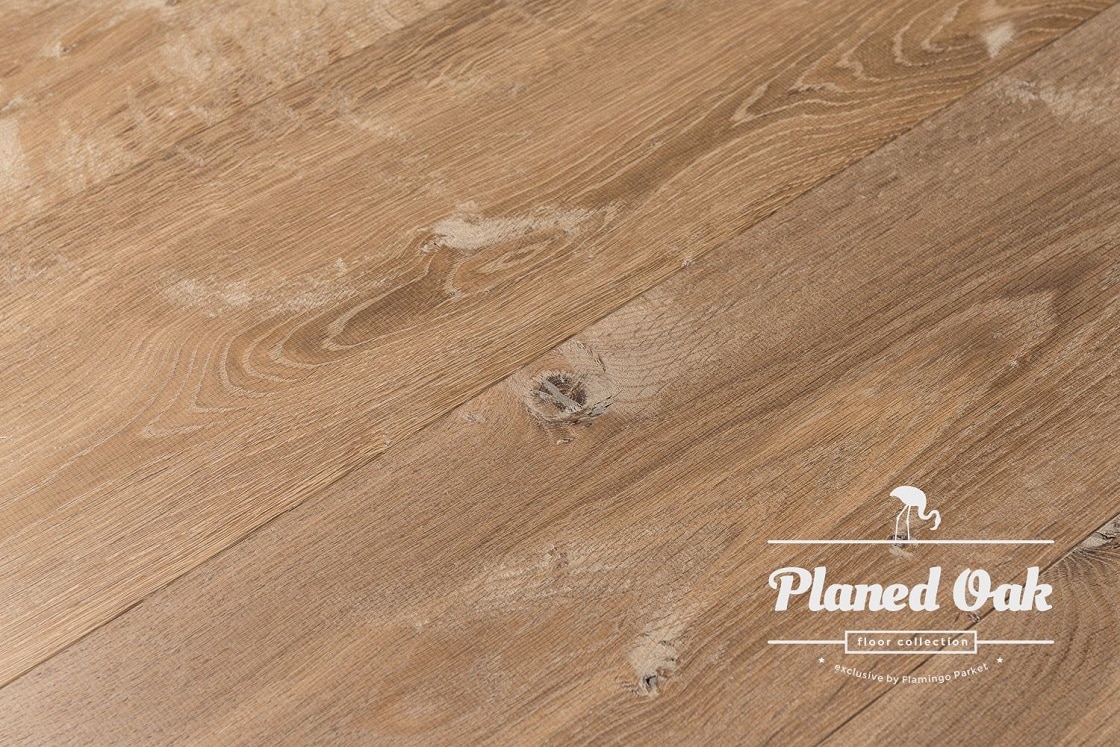
Other ways of aging the wood include scraping, planing, smoking, distressing, variable band saw such as the ‘used’ texture, or sourcing reclaimed wood.

Aged ‘Reactive Stain’ oak – Patina Old Barn

Subtle Aged Effect – Planed Oak Oeral

APPEALING TEXTURES

Texture brings an interesting, natural element to the interior.

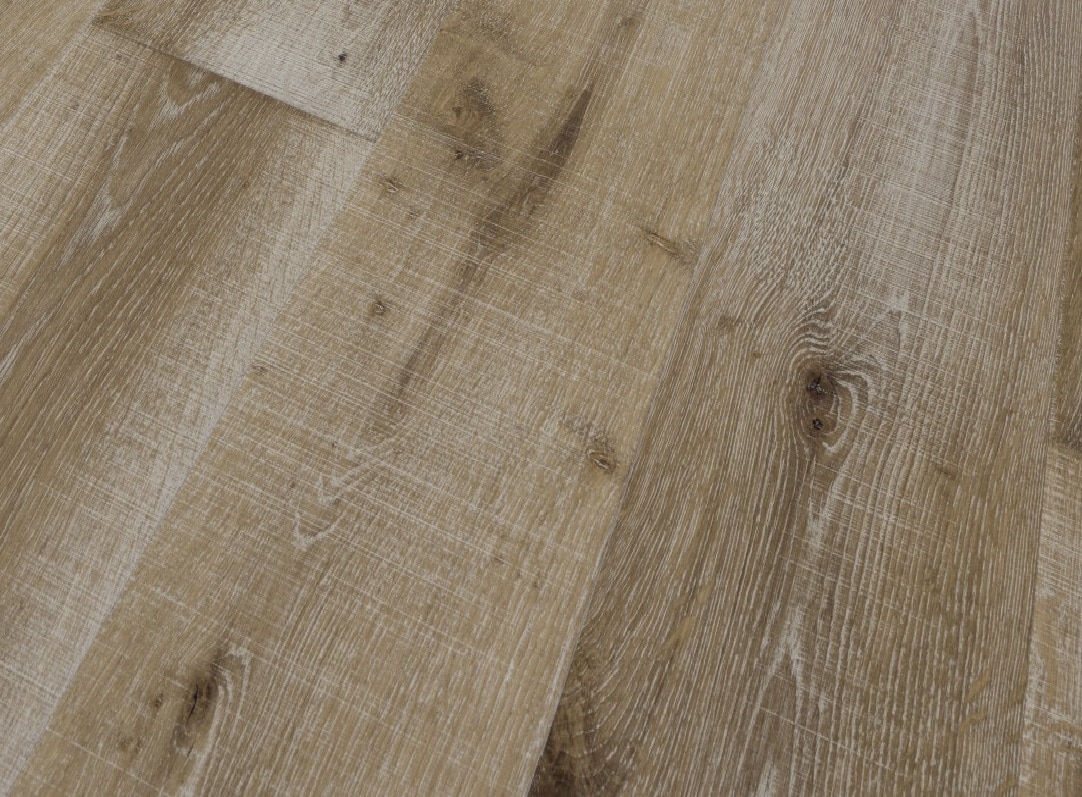
Lengthwise brushing that subtly highlights the woodgrain will always be popular, however we’re seeing more demand for unique textures such as the ‘Used’ texture, which is a subtle variable bandsaw available in Oak Prairie, Oak Marshall or Oak Whisky.

Variable Bandsaw – Oak Prairie Used Texture

The Authentic texture from Admonter is a real head turner. The wood surface mimics the organic structure of the tree itself. Authentic is available in both oak and larch.

Oak Authentic

Alternatively, reclaimed wood such as Raftwood reclaimed Dutch railway sleeper oak flooring, features a very natural and distinctive texture.

Reclaimed Dutch Railway Sleeper Oak – Raftwod Patina The Brick

EXTRA NATURAL APPEARANCE

Every year we see new releases from our suppliers, in more and more natural finishes. The aim is to provide oil and lacquer finishes so natural that you cannot see any visible finish.

A great example is Oak Natura from Admonter which captures a raw wood optic.

The Admonter Natura finish is available in two options, Oak Natura and Oak Smoke Natura.

Admonter Oak Natura

Another popular, extremely natural looking wood floor is American Oak Pureline from ESTA Parket. This is finished with an invisible Supermatt lacquer.

American Oak Pureline

What Goes First – The Kitchen or the Flooring

Kitchen Or Flooring First?

This is a very common question that we’re asked time and again. It is actually possible to install the flooring both before or after the kitchen, depending on the intended installation method; floating or glued down.

Floating Installation

If you’re floating your timber or laminate flooring then you should always install the kitchen first and install the flooring around the kitchen units. This allows free movement of the floor boards as they expand and contract with humidity fluctuations. If the kitchen was sitting on top of the floating floor its weight may restrict the movement of the floorboards and potentially cause floor boards to start lifting. The end panels of the cabinets can be undercut so the flooring can slide underneath, for a clean finish. Flooring is installed just under the kick panels and all the way under any appliances (that are not built-in). The kick panels should be left off until after flooring is installed and then put in place last.

Glued Down Installation

For glued down wooden flooring you can either install around the kitchen cabinets or you can install the flooring first. We highly recommend installing the flooring first; this ensures a premium finish at the bottom of cabinet ‘end panels’ as your installer won’t have to cut into them on-site. It also ensures boards are installed all the way to the walls, so if you do happen to modify your kitchen in future for whatever reason, you won’t have to install any more flooring at a later date.  For more indepth information about installing engineered flooring, you might enjoy this article: The Technicalities of Timber Flooring Installation.

Extra Tip for Installing in a Kitchen; Understanding Tolerances

For either method, understanding the tolerances and standards for timber flooring is important.  A subfloor that is not within the standard tolerances is likely to cause performance issues.  For a floating floor this is particularly important.  The impact of flooring installed outside of tolerances or standards may present as:

  • Uneveness relative to kitchen joinery, skirting or doors
  • Hollow spots in the floor
  • Areas that creak
  • “Springyness” in some parts of the floor

As such, choosing the right professional flooring installer is critical to avoid these issues.  See more information about the tolerances of timber flooring here.


We have experience with both floating and glue-down wood flooring installation methods, so please feel free to contact us for obligation-free advice.

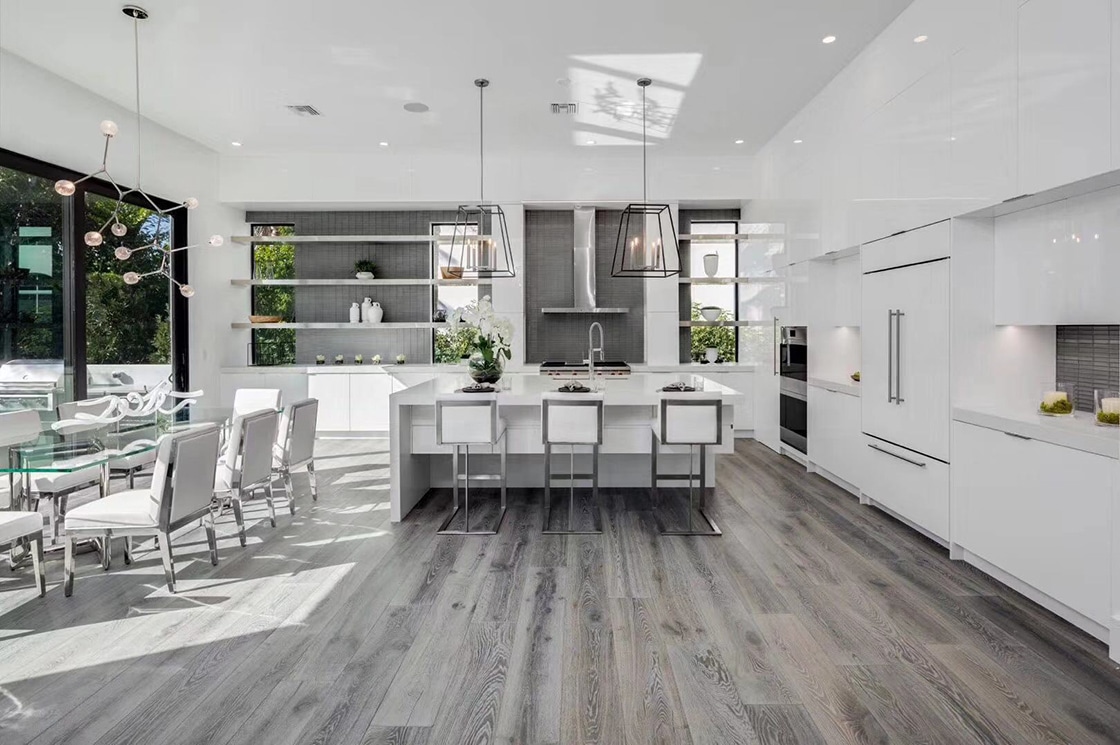
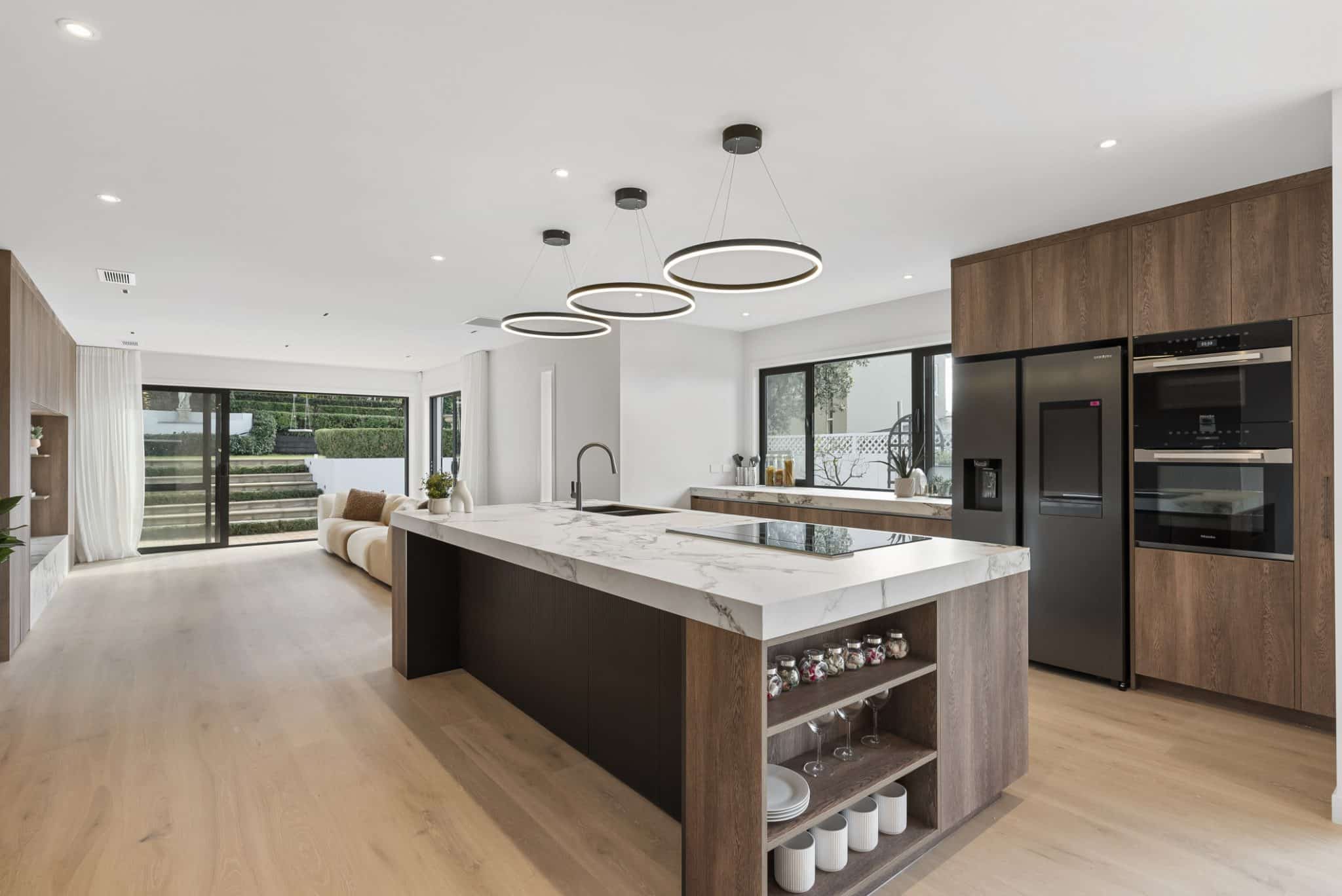
Spacious Open Plan Kitchen with European wood flooring

Product: Foundation Collection // Empire Oak

There are a series of other articles which may also interest you including;

Vienna Woods is a specialist natural timber flooring supplier in Auckland, NZ.  We love to see quality timber floors enhance the homes of New Zealanders.  For information about our products and services, you can contact us here.