

Timber Floor Finishes, Explained
Oiled, lacquered, matt and brushed, and how to choose
A timber floor's finish decides three things: how it looks, how it feels underfoot, and how you clean it. The two families are lacquered, a sealed surface that wipes clean, and oiled, which soaks in for a natural, matt look. Brushing and texture then shape the character. Here is how to choose.
Finish and texture are two decisions, not one
Every timber floor makes two calls. First, the finish: the coating that protects the wood and sets its sheen, either a lacquer that seals the surface or an oil that soaks in. Second, the texture: how the board is worked, from dead-smooth to heavily brushed. Most textures pair with either finish, which is why two European oak floors can look and feel completely different. Most of our floors are engineered European oak, and across the range you will find matt UV-lacquered, natural-oiled and ultra-matt raw-look options.
Below: the main finishes explained, brushing and texture, and a simple way to choose. Then order samples to see each one in your own light.
Lacquered and oiled: the two finish families
Lacquered
Matt and UV-lacquered
A lacquer sits on top of the timber as a fine, sealed layer. Modern lacquers, including ultra-matt options, keep a natural look while giving you an easy-wipe surface. Several of our ranges use a Sherwin-Williams UV lacquer. Sherwin-Williams is the American coatings company founded in 1866 and, by revenue, the world’s largest paint and coatings maker.
- Look: clean and even, from ultra-matt through to a soft sheen
- Feel: smooth, sealed surface underfoot
- Everyday care: a pH-neutral wood-floor cleaner; skip household detergents that can dull it
- Tends to suit: busy homes wanting low-fuss, wipe-clean floors
Oiled
Natural and hardwax-oiled
A natural oil soaks into the wood rather than sitting on top as a sealed coat, so the grain and texture stay open and the floor reads warm and natural. Hardwax oil soaks in too and cures leaving a thin hard wax layer at the surface, for a little more protection. Worn areas on an oiled floor are usually re-oiled in place rather than sanded back.
- Look: natural and matt, grain and character on show
- Feel: tactile, close to raw timber
- Everyday care: a compatible oiled-floor cleaner, plus a periodic re-oil to feed the surface
- Tends to suit: a natural look, owners happy with a care rhythm
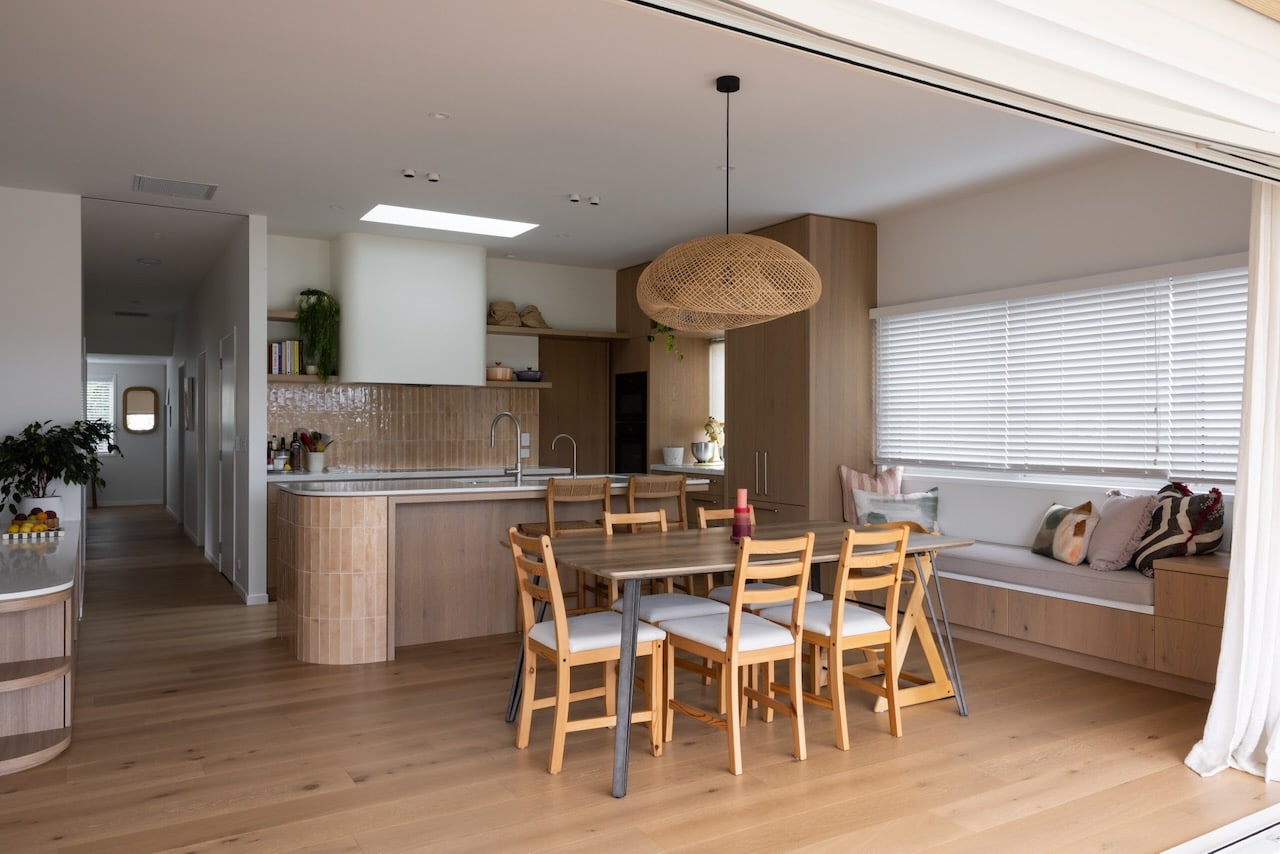
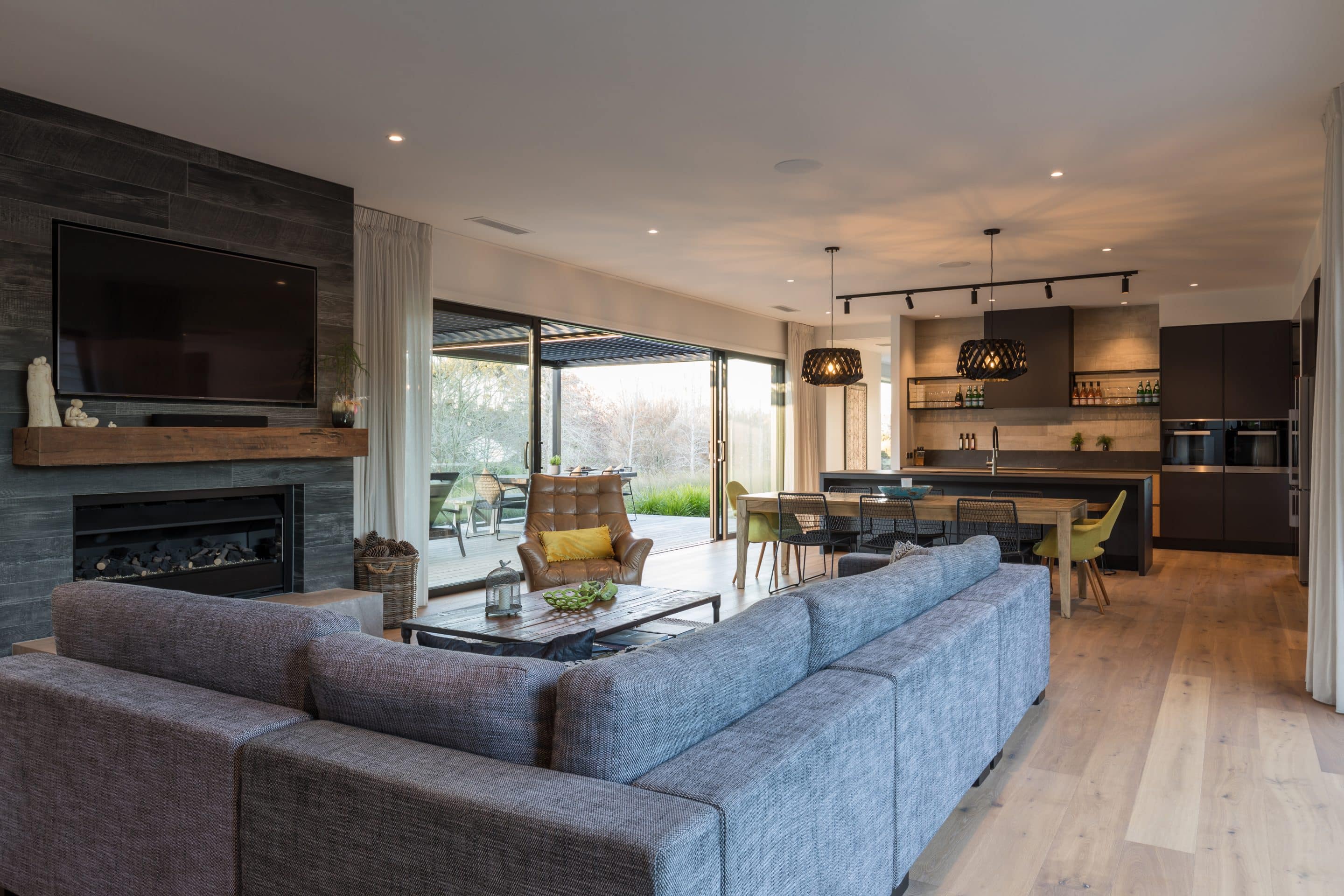
Brushed and textured floors
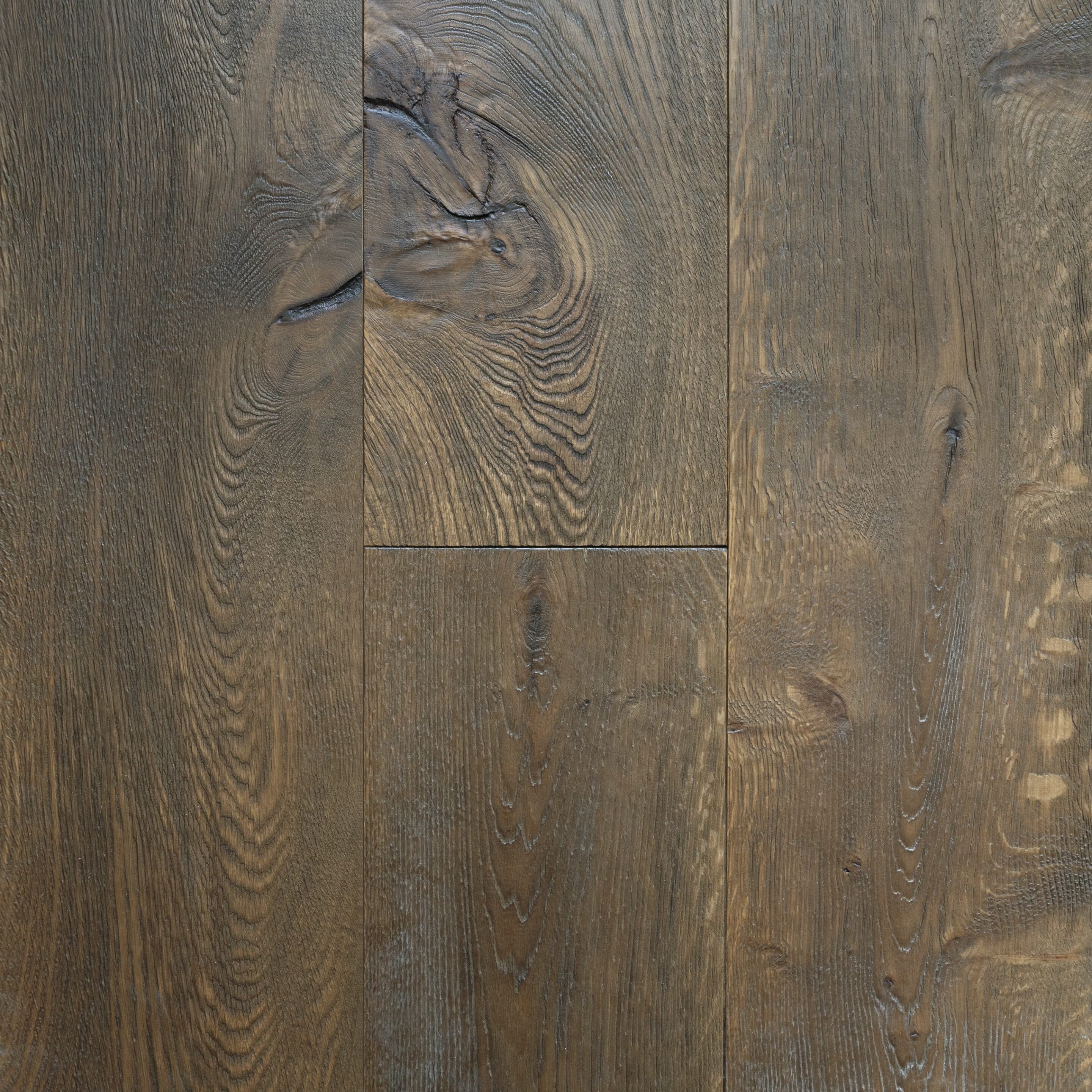
Texture is worked into the board before it is finished, and it changes the whole feel of a floor. Brushing drags out the soft grain and leaves the harder grain slightly raised, giving the surface a subtle, tactile relief. A light brush stays refined; a heavy brush reads rustic and hides everyday marks well. For the most natural, barely-there look, ultra-matt and raw-effect finishes keep the timber looking almost unfinished while still sealing it. Texture pairs with either finish, so you can have a brushed and oiled floor or a brushed matt-lacquered one.
What is brushed and oiled flooring?
It just means the board was wire-brushed before finishing, which pulls out the softer grain and leaves a textured surface, and then oiled. Brushing is a texture, not a finish, so you’ll also find brushed lacquered floors.
Browse floors by finish: oiled, lacquered and ultra-matt / raw.
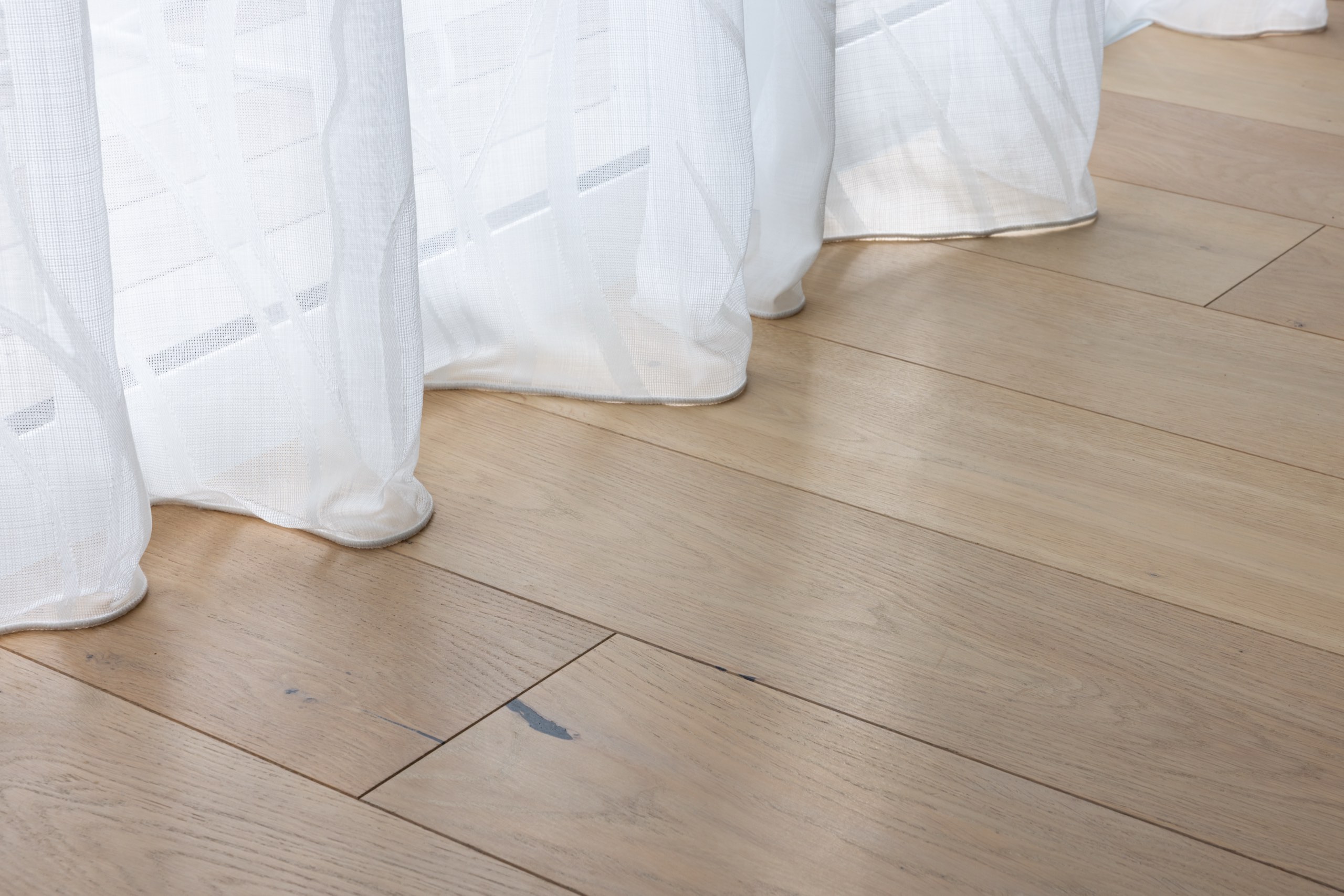
If you are weighing one against the other, the short version is lacquered for lower upkeep and a surface that resists wear better, oiled for a timber feel and in-place repair of worn areas. Our full guide to oiled vs lacquered flooring covers durability, care, repair and which of our floors come in each finish.
Choosing the finish for your project
Match it to your traffic
Hallways, kitchens and homes with kids and pets take more knocks. Think about how a floor shows wear and how easily you can put marks right.
Decide on the look and feel
Want the grain open and a natural, matt hand-feel? Lean oiled. Want a clean, uniform, wipe-clean surface? Lean lacquered. Texture then dials the character up or down.
Be honest about upkeep
Oiled floors reward a light care rhythm; lacquered floors are lower-touch day to day. Neither is hard, but pick the one that fits how you live. See care by finish.
See it in your own light
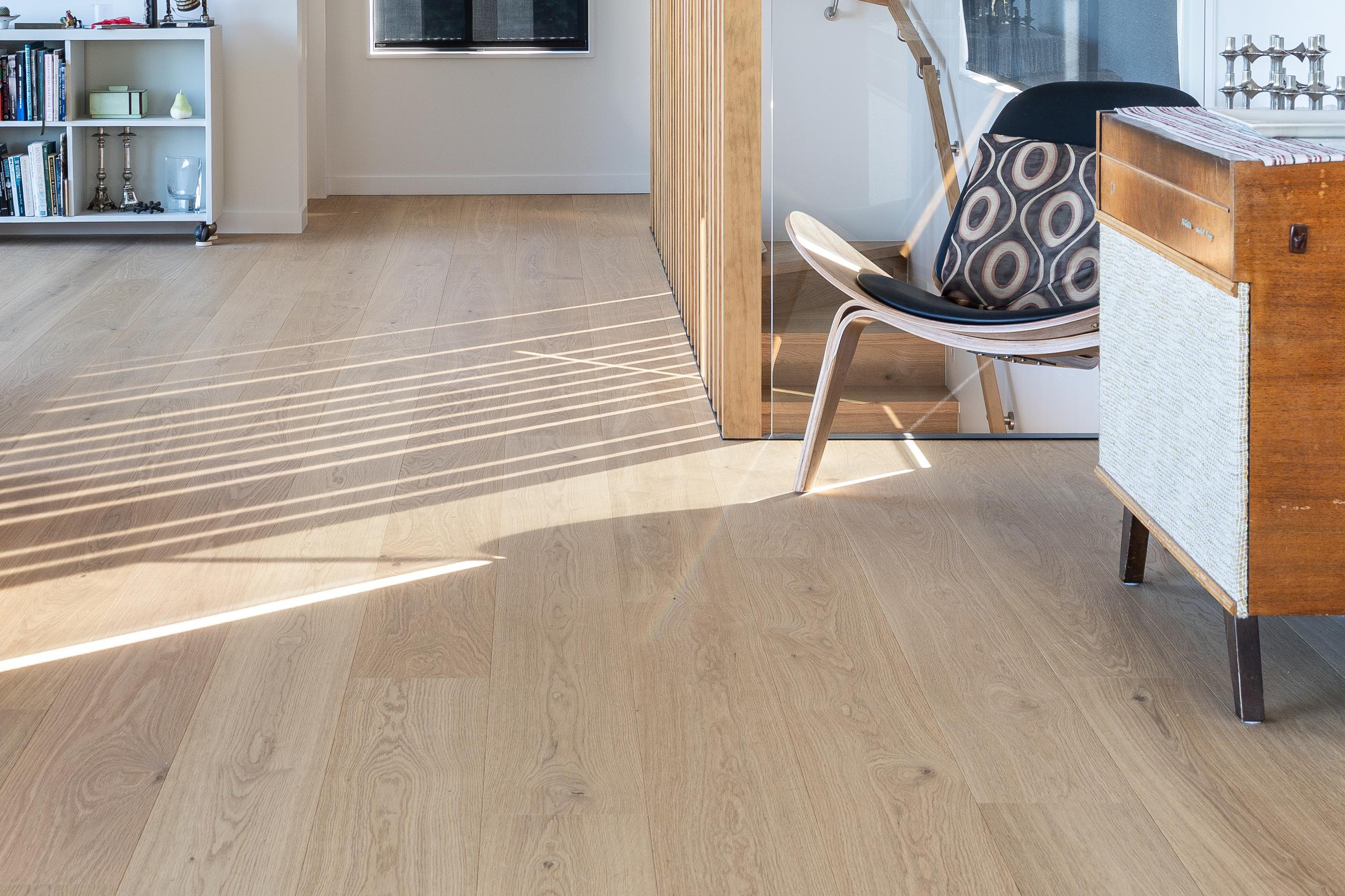
Finish and texture change completely between showroom lighting and your home. Order free samples and view them morning and night before you commit.
Caring for your finish
Every finish looks its best on the right care system. Start with our timber floor maintenance and cleaning guide, then follow the routine for your finish: care for oiled floors or care for lacquered floors. Matching the cleaner to the finish is the single biggest thing you can do to keep a floor looking new.
Common questions about floor finishes
Can I change the finish later?
Usually yes, but it is a job for a professional. Re-coating, or switching between oiled and lacquered, means the existing finish has to be removed or prepared first, and the two systems are not interchangeable without that step. It is easier to choose the finish you want up front, which is why we send free samples so you can see and feel each one.
Next steps
Order free samples
See and feel each finish and texture in your own light before you decide. Free, and the fastest way to choose.
Order samples →Browse a collection
See how finish and texture come together across a full European oak range, all of it UV-lacquered.
View Petit Château →What it costs
Finish, format and grade all move the price. See how timber flooring is priced in New Zealand.
Flooring costs →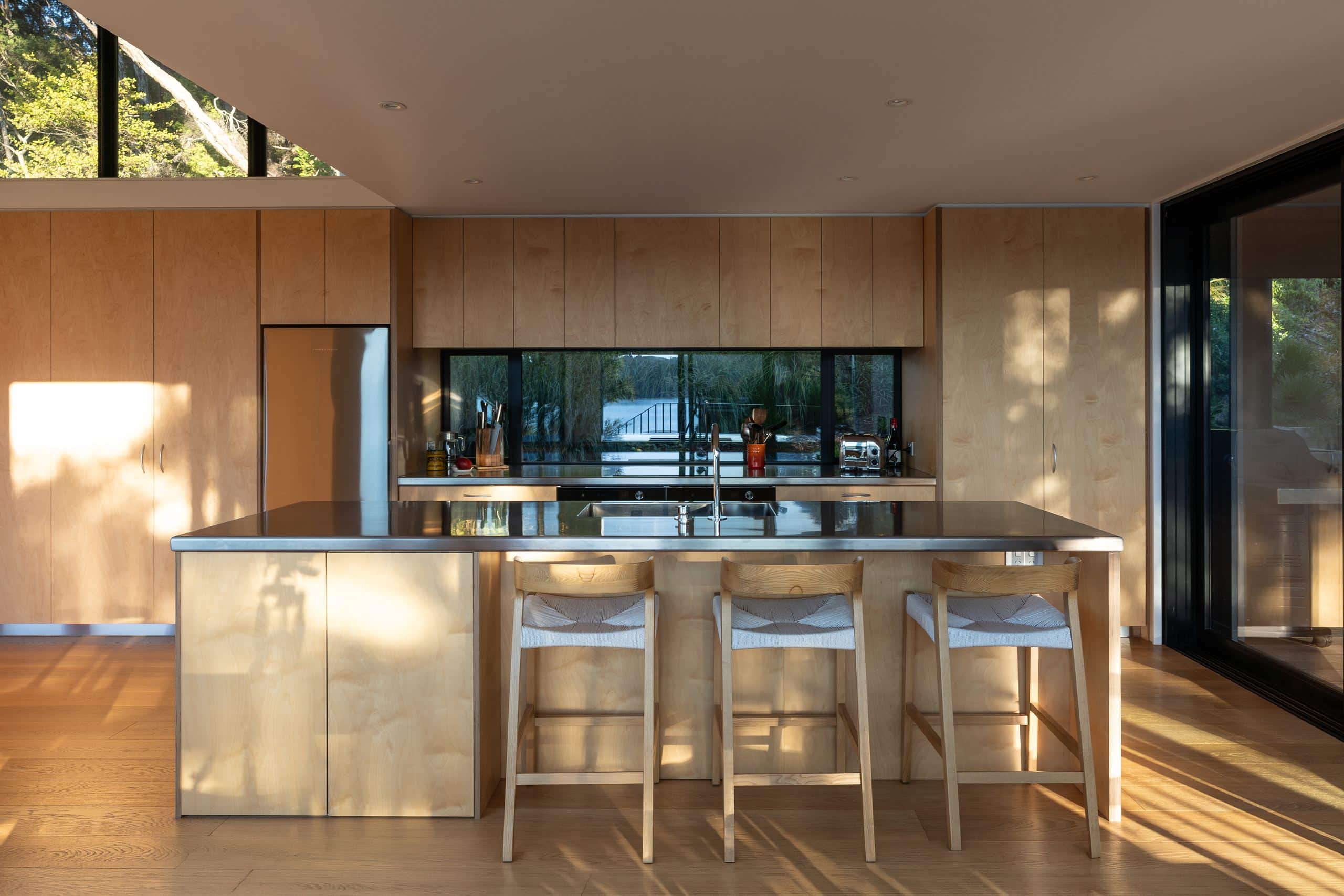
Order samples to see the finish in your light
Finish and texture change completely between a showroom and your own home. Order free European oak samples and view them where the floor will actually live.