Timber floor colour variation, explained
Why real oak varies board to board, and how to plan for it.
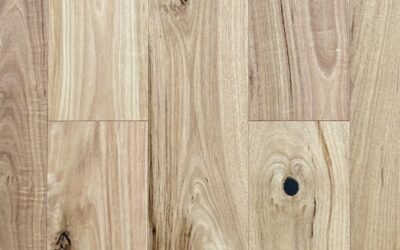
Colour variation is normal in any real timber floor, and it is the point. Natural oak shifts in tone and grain from board to board because it grew that way. That movement is what stops a floor looking flat or printed. Here is why it happens and how to plan for it.
Every board grew differently
Oak is a natural product. Each board is cut from a different part of a different tree, so tone, grain and figure shift across a floor. Some boards read warmer, some cooler. Some show tight straight grain, others open cathedral figure. As a natural timber product, some variation between boards is normal and to be expected.
A few things drive it: the tannin in the timber, how open or tight the grain is, and the grade you choose. It is the same for oak wherever it is grown or bought. Our own engineered European oak flooring is European oak, engineered overseas to Vienna Woods' specification, and it varies board to board like any real timber. If a floor looks perfectly uniform, it usually is not real wood.
Variation is the point, not a fault
A printed laminate or vinyl repeats the same photographed image every few boards. Look closely and you can see the pattern reset. Real oak never repeats, because no two boards are the same, and that natural movement is what gives a timber floor its depth and warmth.
Real European oak
Board-to-board character
The look you buy a timber floor for.
- Tone shifts warm to cool across the floor
- Tight and open grain, board to board
- Knots and mineral streaks on the more characterful grades
- No two boards the same, no repeat
Printed laminate or vinyl
A repeating image
A photograph of wood, not the real thing.
- The same printed image reused across boards
- The pattern resets every few boards
- A flatter, more uniform look
- Not a natural product
How to plan for it
You cannot remove natural variation, but you can plan around it so the delivered floor is exactly what you expected.
1. Order several samples, not one
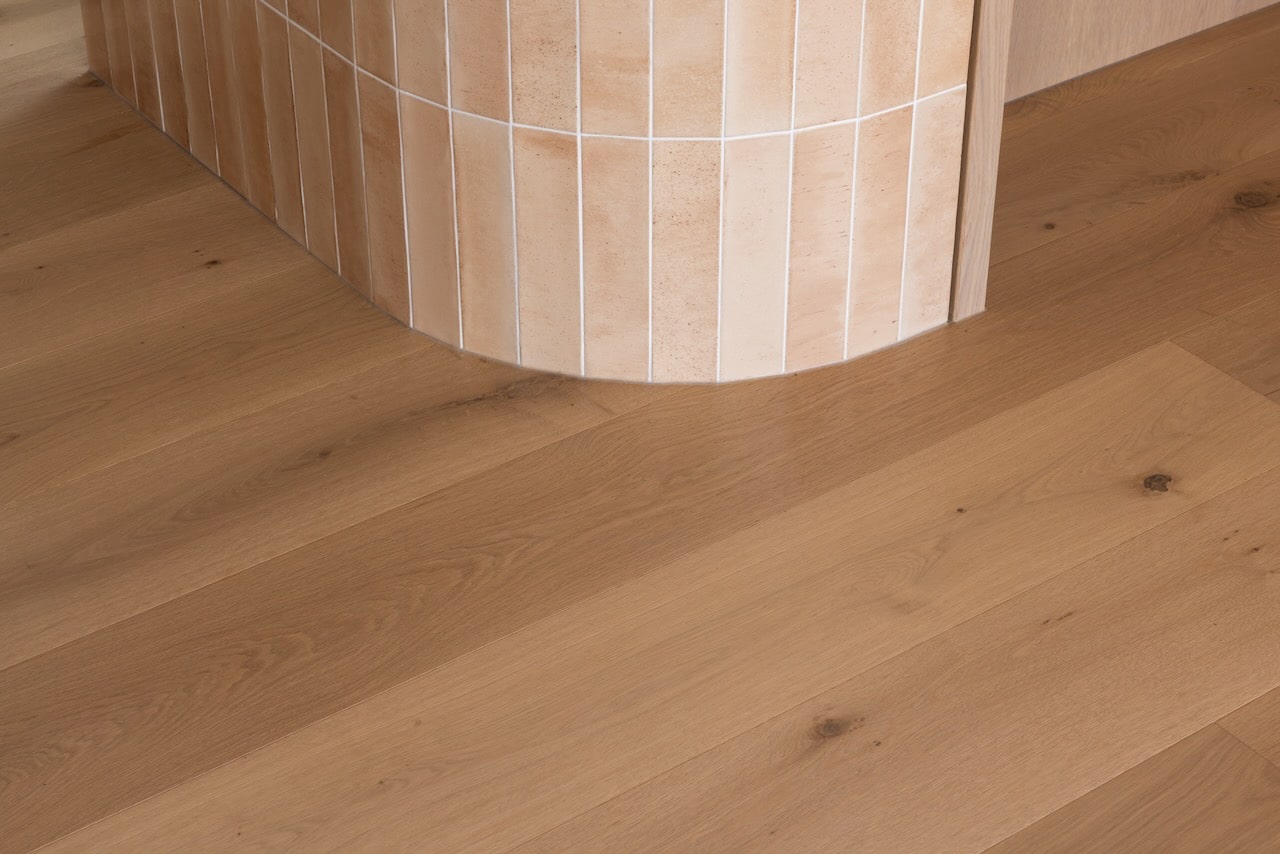
A single hand sample shows the general tone and grain, not the full range across a whole floor. Order free samples of the two or three tones on your shortlist and compare them side by side.
2. View them in the room's light
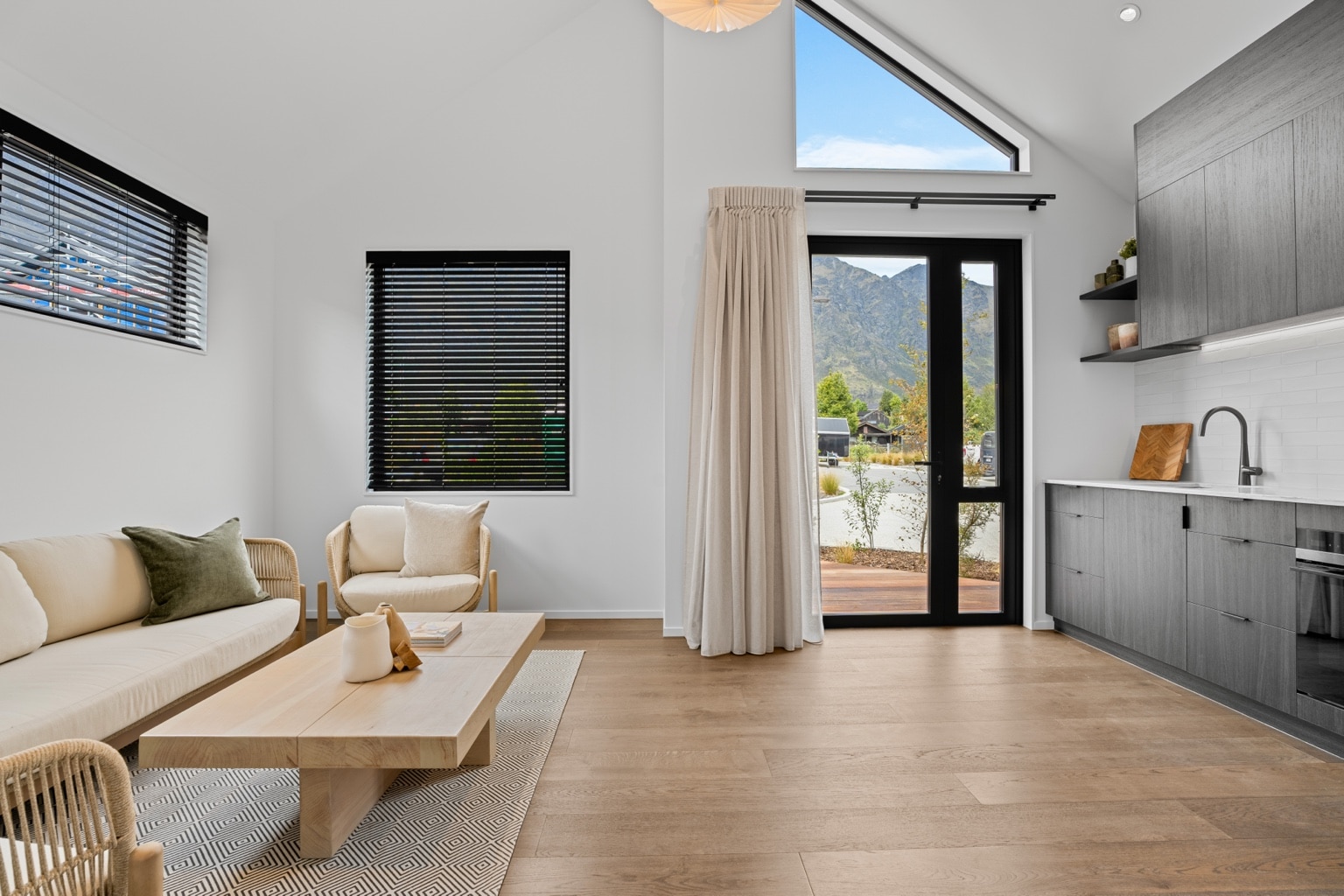
Oak reads differently under morning light, evening light and artificial light. Lay the samples in the actual room, at different times of day, before you decide.
3. Expect sample to delivery variation
A small sample is an indication of the general colour and grain, not an exact match. The delivered floor will show more of the natural range across its boards, and that is normal and to be expected.
4. Choose the grade for the look you want
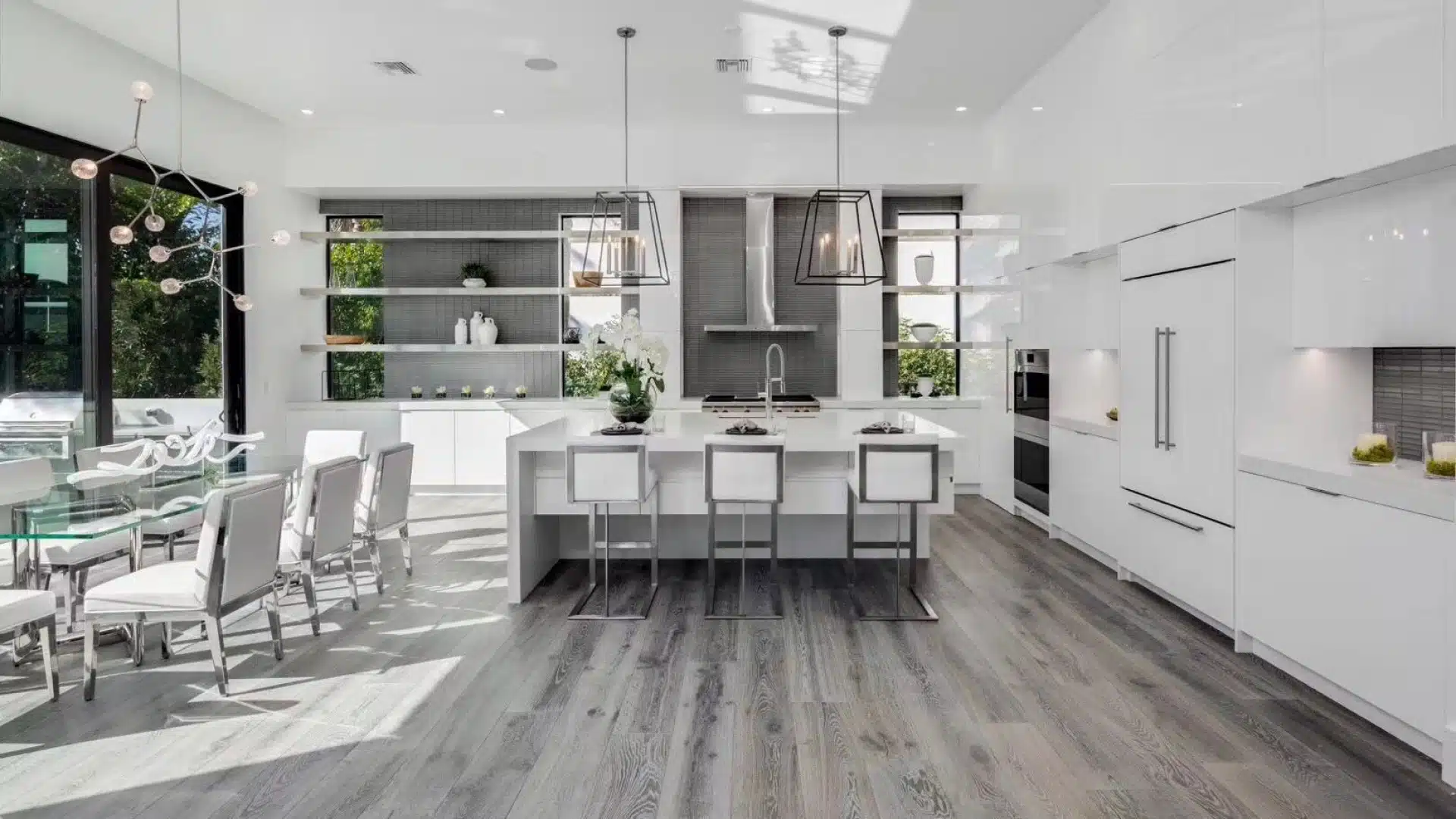
Grade changes how much variation you see. A cleaner, higher grade generally shows less knot and colour movement. A character grade shows more, with knots and stronger tonal shifts. Neither is better, it is a design choice. Compare a calmer range like Petit Château against a rustic, character range like Patina.
Finish and texture change how a colour reads
Texture and finish shift the look as much as the timber does. The same oak in the same tone reads darker with a deeper brushed texture and lighter with a light brush. An oiled finish and a lacquered finish also sit differently in the light. When you compare colours, compare like for like: same format, same finish. If you are unsure which finish suits your room, our guide to timber floor finishes walks through the options.
Common questions
Is colour variation in a timber floor a defect?
No. It is a natural feature of real oak and is normal and to be expected. Board-to-board tone and grain variation is what makes a timber floor look natural rather than printed.
Why does my sample look different from the delivered floor?
A small hand sample shows the general colour tone and grain pattern, not the full range you will see across a whole floor. The delivered boards will show more of the natural variation, which is why we suggest ordering a few samples and viewing them in your own room's light.
How do I get a floor with less colour variation?
Choose a cleaner, higher grade of oak, which generally shows less knot and colour movement, and ask to see photos of an average install rather than one hero board. There will still be some natural variation, because it is real timber.
Does laminate flooring have colour variation?
A printed laminate or vinyl repeats the same photographed image every few boards, so it looks more uniform. Real oak never repeats, because every board is different.
How many samples should I order?
Order enough to see the range, usually the two or three tones on your shortlist. Compare them in the room they are going into, at different times of day. Our samples are free.
Next steps
Order free samples
See the real colour and grain in your own light before you commit. The best way to plan for natural variation.
Order free samples →Browse the collections
From calm and consistent to rustic and characterful, see the full range of European oak tones.
See all collections →Talk to us about a floor
Tell us the room and the look you are after and we will point you to the right tones and grade.
Request a quote →Order free samples and see the variation for yourself
A photo only tells you so much. Order free samples of the tones on your shortlist, view them in your own room's light, and choose with confidence.