Admonter Oak Lapis – Takapuna New Build

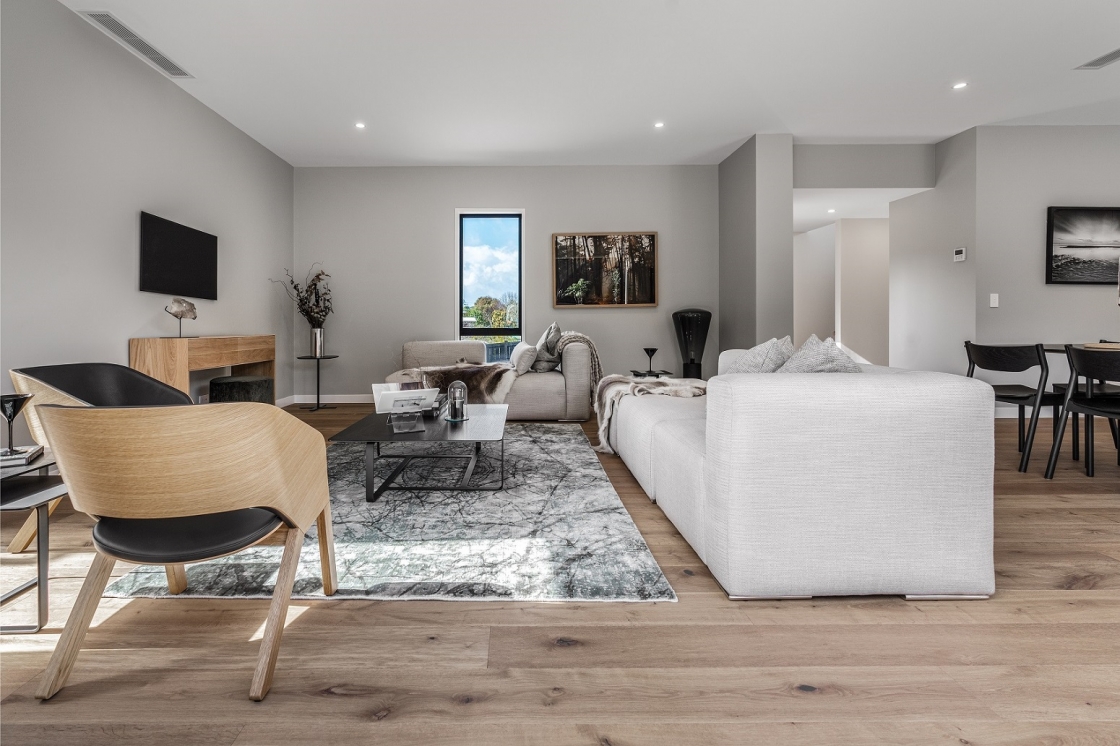
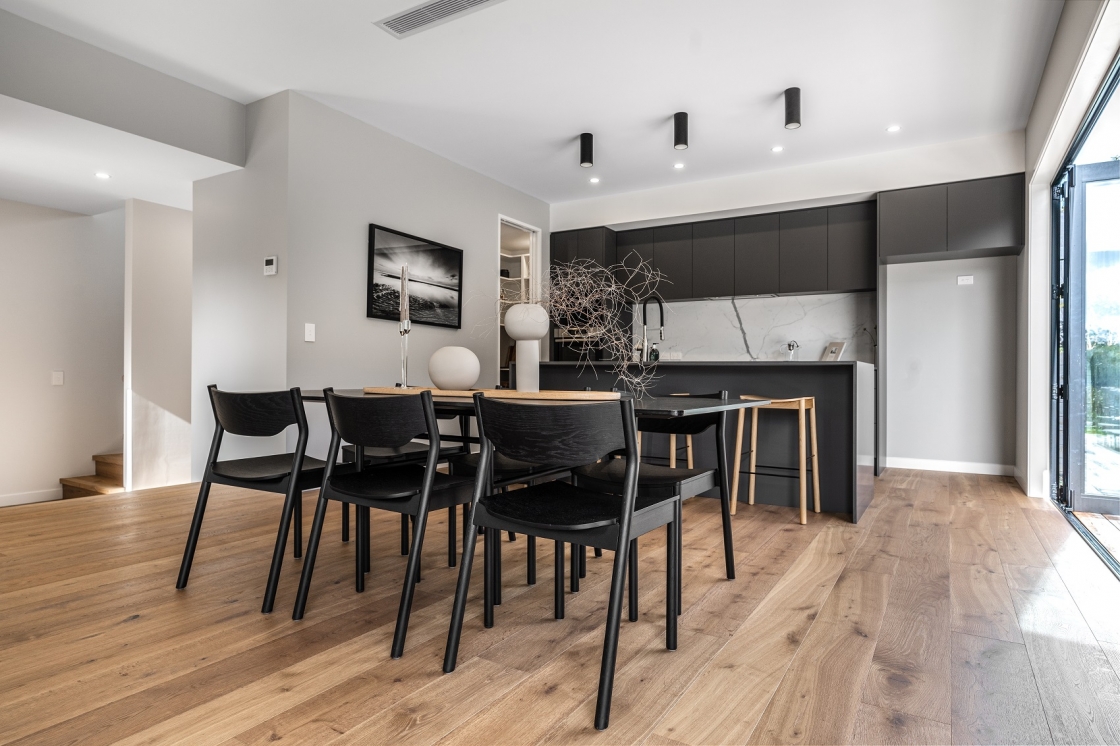
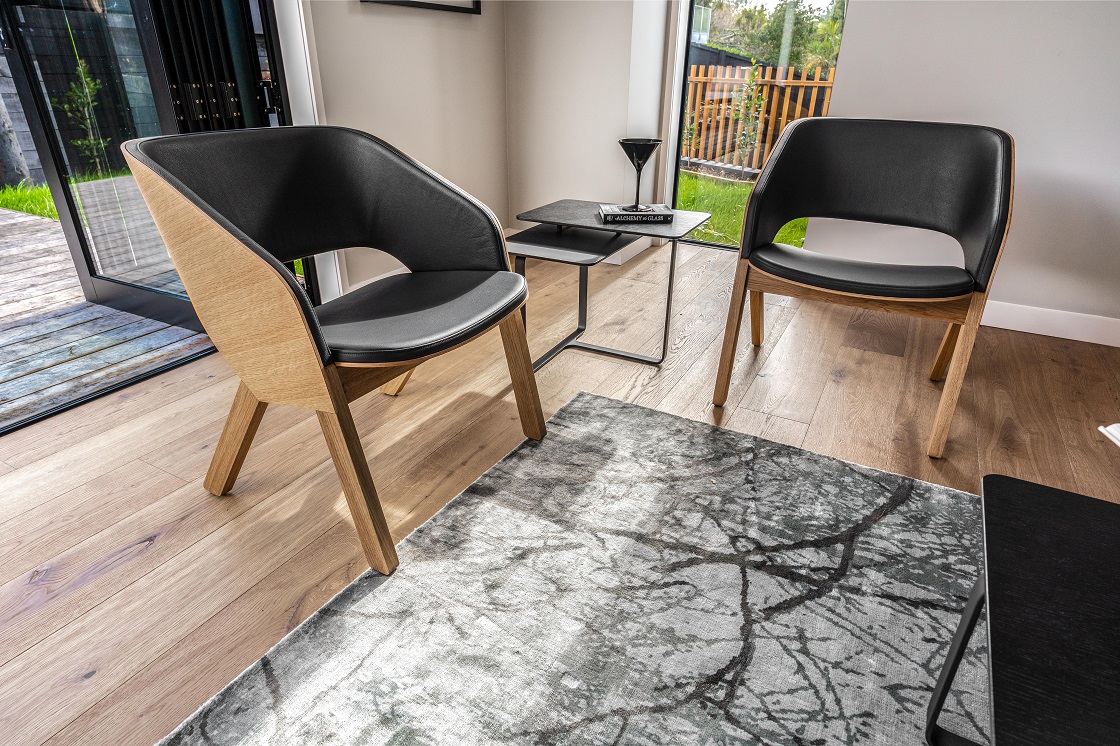
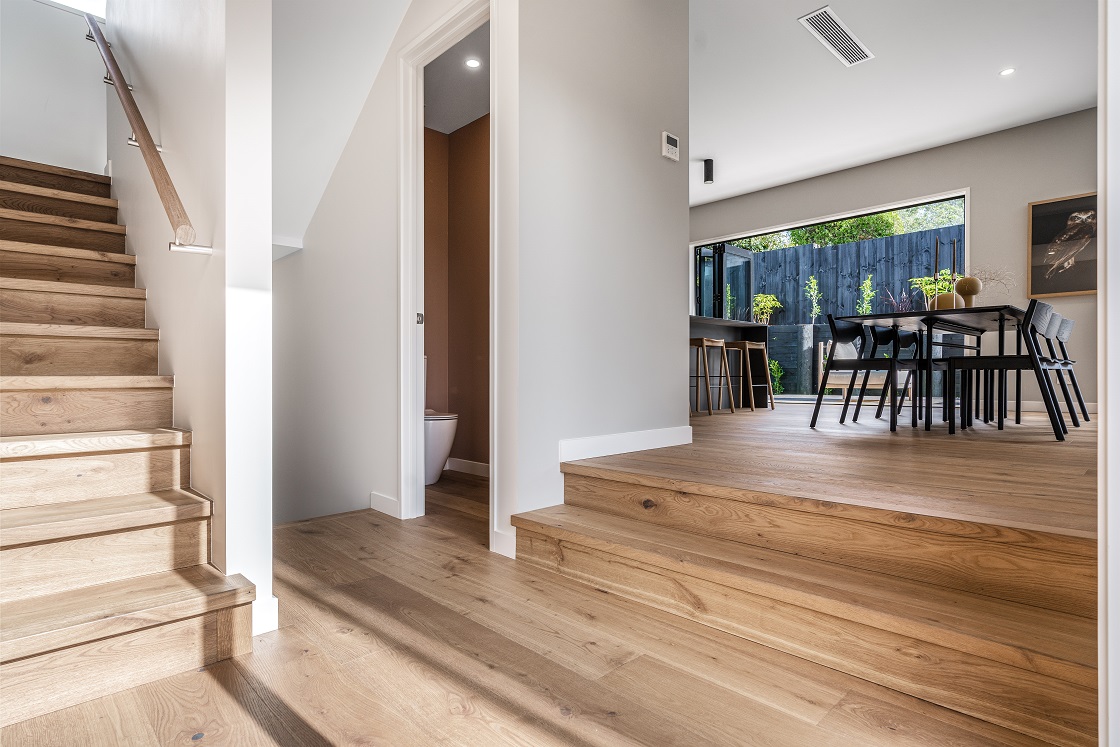
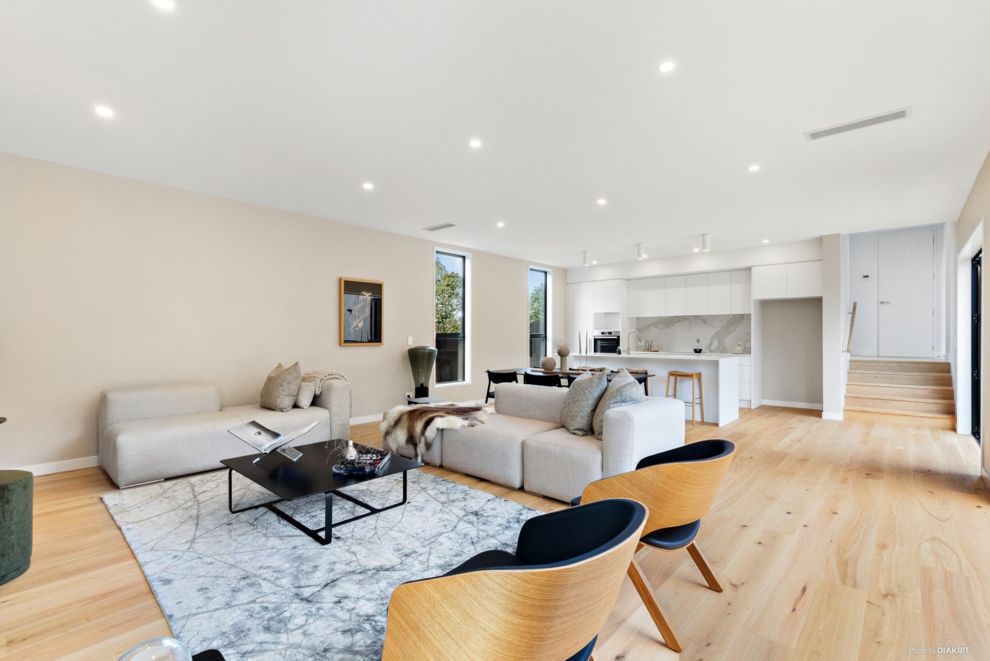
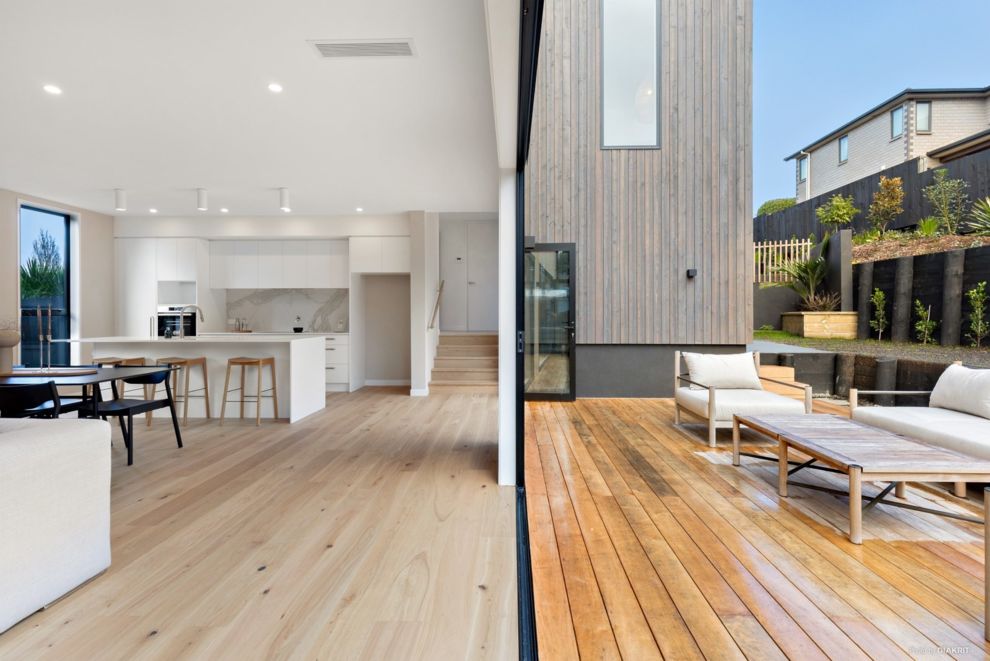
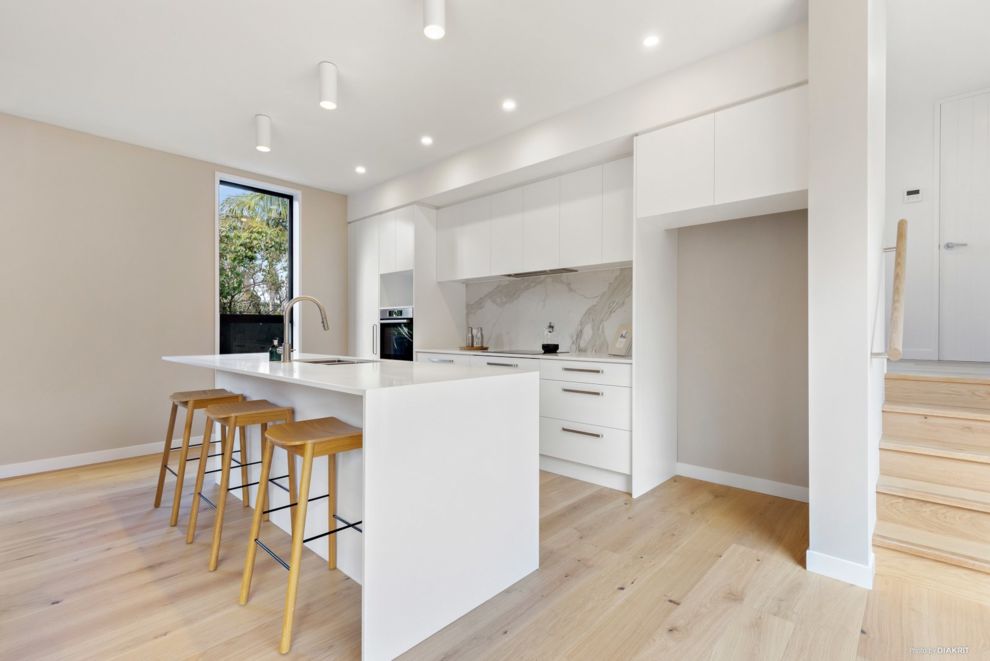
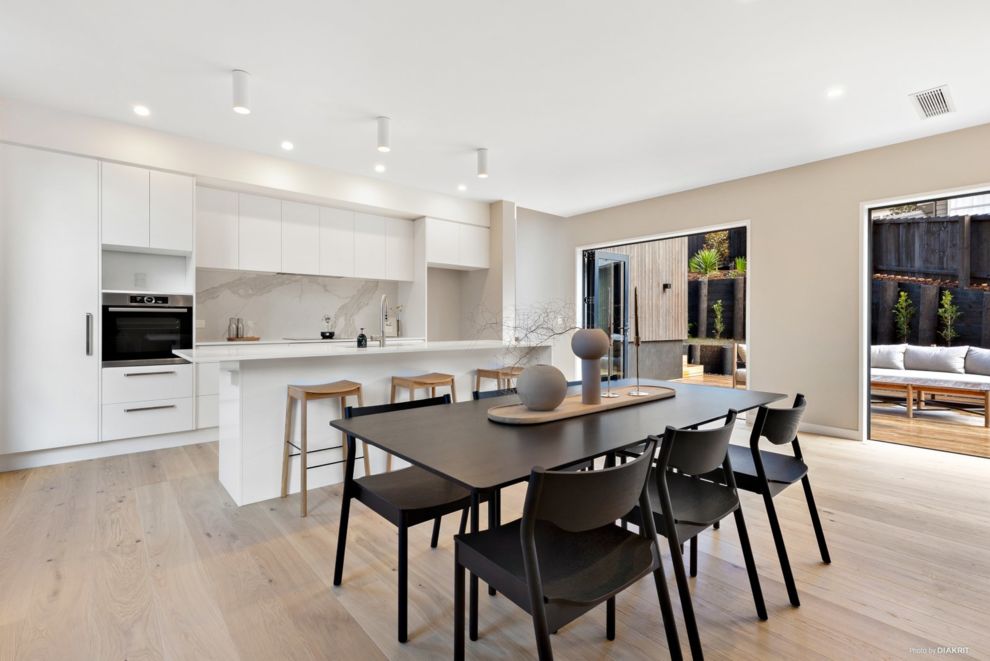
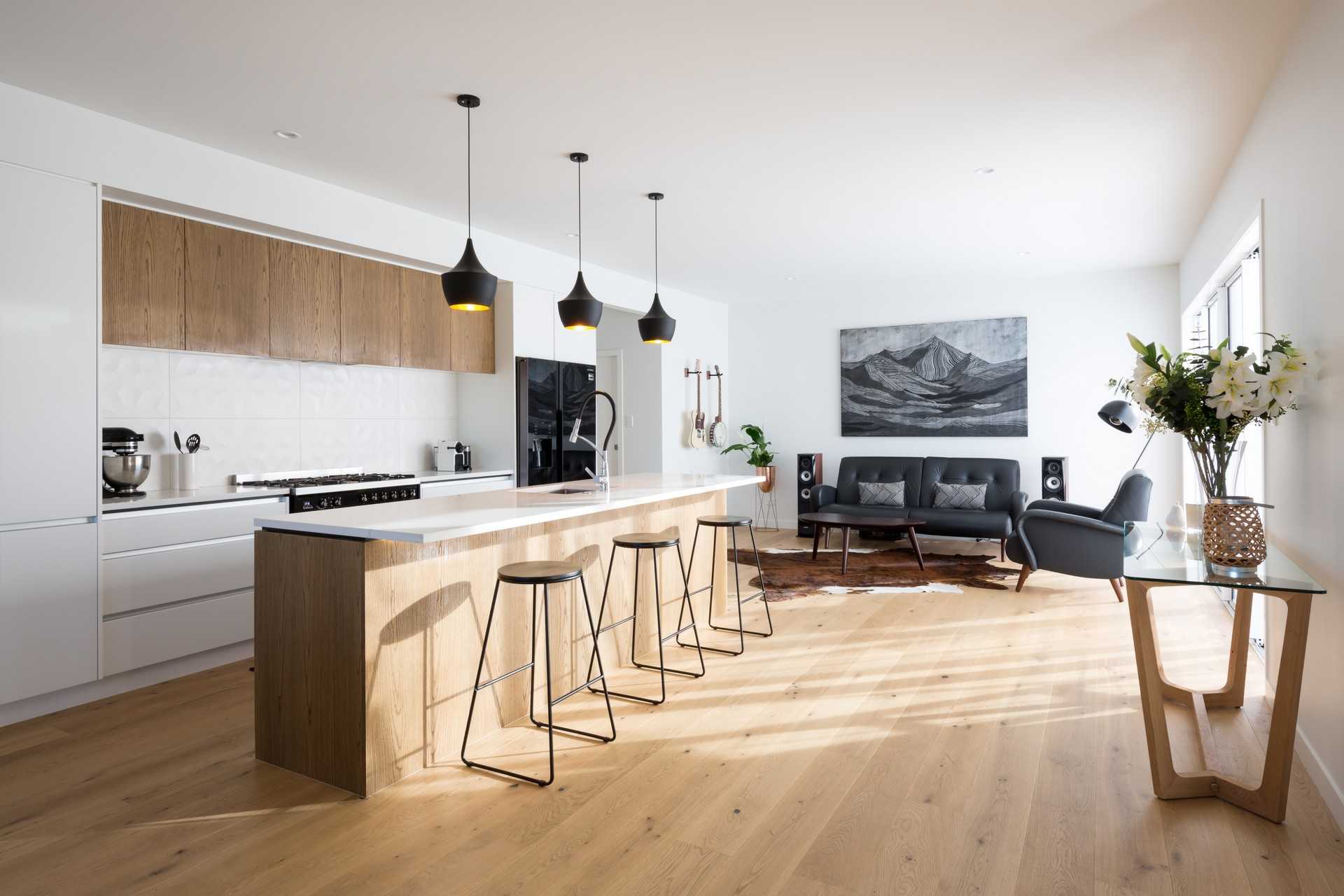
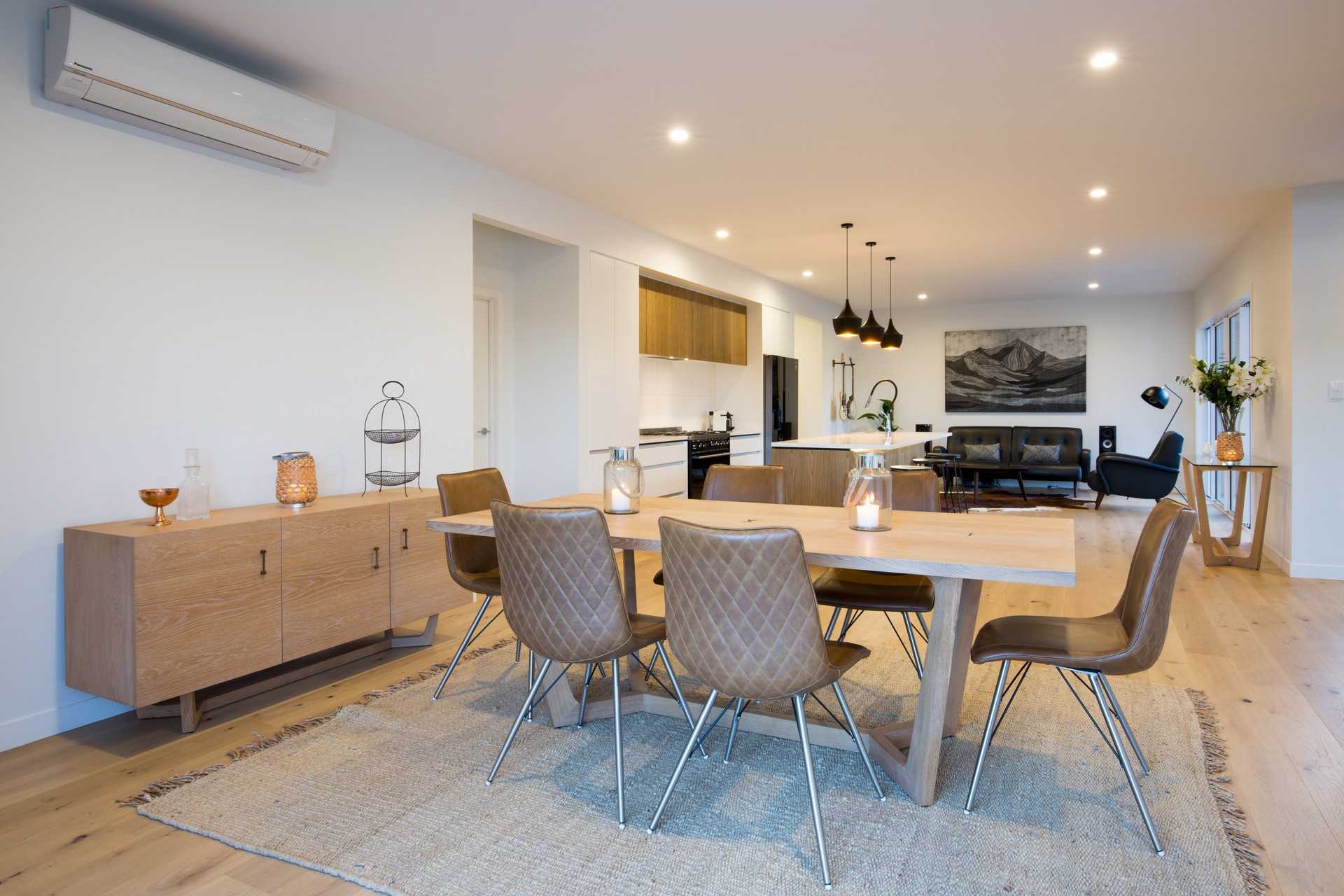
This stunning Nordic inspired MCooper Architect designed home on Auckland’s North Shore features Admonter oak lapis engineered flooring throughout the kitchen, living, entry stairs and upper hall area.

Interior designers Yellowfox chose a sophisticated, moody theme for the interior, with dark kitchen cabinetry and black light fittings from ECC. High-end staging from Exhibit One completes the design-focused interior.

The developer and designer chose Admonter oak lapis as they wanted a premium quality floor to help realise the inspiring atmosphere they were aiming for.

This is the perfect example of how this beautiful smoked oak flooring complements a modern interior, however oak lapis works equally well in historic villas and bungalows, loft spaces, apartments, retail and offices.

Engineered Timber Flooring: Vienna Woods /// Oak Lapis

Admonter-Oak-Lapis_a_10
Admonter-Oak-Lapis_b
Admonter-Oak-Lapis_a_13
Admonter-Oak-Lapis_a_01

Baltic Wood Oak Porcelain – Hauraki

This beautiful new home on Auckland’s North Shore is designed with Nordic flair by MCooper Architects and Yellowfox interiors, using premium materials throughout including larch cladding and Oak Porcelain flooring from Baltic Wood.

Oak Porcelain is fortified and finished with a lightly tinted OSMO oil, which retains the natural tone of oak but reduces the strong golden tones that are a feature of some ‘natural’ oak floors.

 Engineered Timber Flooring: Vienna Woods /// Oak Porcelain has been upgraded by Oak Cashmere

Baltic Wood Oak Porcelain – North Shore

This new home on Auckland’s North Shore features oak porcelain from Baltic Wood throughout the living areas.

A subtle tint in the oil finish highlights the intrinsic beauty of European oak, providing a natural foundation for the interior.

Oak porcelain features a subtle micro-bevel on the board edge to define each floorboard and highlight the board width. The rustic grade of oak features dark knot filler in open knots, while the brushed texture adds a 3-dimensional surface and extra character to the interior.

Engineered Timber Flooring: Vienna Woods /// Oak Porcelain has been upgraded by Oak Cashmere

Floating Timber Floor Installation vs Glue-Down Installation

Choosing between a floating timber floor installation and a glue-down method is a key decision for any flooring project. Each approach has unique benefits and suitability depending on your needs. Here’s a comparison to help you decide which option is right for you.

What is a Floating Timber Floor Installation?

A floating timber floor rests on an underlay rather than being fixed directly to the subfloor. The planks click together, creating a stable, secure surface that “floats” above the base.

Benefits of Floating Floors:

  • Ease of Installation: Ideal for DIY projects, thanks to the click-lock mechanism.
  • Cost-Effective: No adhesives or nails are required, reducing materials and labour costs.
  • Subfloor Flexibility: Can be installed over various surfaces, including concrete or tiles.
  • Movability: Easily removed or replaced, making it perfect for renters or those planning future renovations.

Limitations of Floating Floors:

  • Less Soundproof: Without adhesive, sound can transmit through the layers.
  • Not Ideal for Wet Areas: Floating floors may not be suitable for high-moisture spaces like bathrooms.

What is Glue-Down Installation?

Glue-down timber floors are fixed directly to the subfloor with a high-quality adhesive. This creates a seamless bond, enhancing the floor’s stability and longevity.

Benefits of Glue-Down Floors:

  • Superior Stability: The adhesive bond minimises movement and provides a solid feel underfoot.
  • Enhanced Acoustics: The glued surface reduces noise transmission and echoing.
  • Durable and Long-Lasting: Ideal for high-traffic areas and commercial spaces.
  • Better for Wet Areas: With the right sealant, glue-down floors can handle moisture better than floating options.

Limitations of Glue-Down Floors:

  • Complex Installation: Requires professional expertise, especially on uneven subfloors.
  • Higher Costs: Adhesives and skilled labour add to the expense.
  • Permanent Fix: Removing glue-down floors can be difficult and time-consuming.

Which Installation Method is Right for You?

Choose Floating Floors If:

  • You want a quick, cost-effective installation.
  • Your subfloor is even and dry.
  • You need flexibility for future changes or renovations.

Choose Glue-Down Floors If:

  • You require maximum stability and soundproofing.
  • The area experiences heavy foot traffic.
  • You are installing flooring in wet or commercial spaces.

Both floating timber floor installation and glue-down methods have their place in modern flooring. Your choice depends on your project’s requirements, your budget, and the conditions of your subfloor.

When in doubt, consult a flooring expert to ensure the best outcome for your space. No matter the method, high-quality timber floors add beauty, warmth, and value to your home.

You May Be Interested In:

Gaps Between Floorboards

Hardwood floors are renowned for their enduring allure, yet the issue of noticeable gaps between floorboards, especially in older urban villas, is a common challenge. Despite advancements in engineered wood flooring, these gaps persist due to the intrinsic qualities of real wood. This piece delves into the origins of these gaps, their impact on aesthetics, and practical remedies for homeowners.

1. Grasping the Inherent Traits of Wood:
Real wood, the primary material in engineered boards, has a distinctive property of expanding and contracting with shifts in humidity. Analogous to a sponge, wood expands when saturated with water and contracts as it dries. Moreover, the organic nature of wood may result in slight bending of floorboards, deemed normal.

2. Aesthetic Contemplations:
While engineered wood flooring mitigates gap occurrence, it doesn’t eradicate them entirely. Homeowners hold diverse views on these gaps; some embrace them as part of the genuine charm of real wood floors, while others lean towards a more seamless appearance. The choice between click-lock systems and traditional tongue and groove joining systems influences gap likelihood.

3. Click-Lock Systems vs. Tongue and Groove Joining:
Click-lock systems, prevalent in laminate flooring, provide a seamless look by securely binding floorboards, accommodating collective expansion and contraction. In contrast, tongue and groove joining systems may exhibit gaps between boards and other design elements, such as stair nosings. Both systems find widespread acceptance in the architectural and design community.

4. Tackling Gaps:
Homeowners averse to visible gaps have options to minimize their impact. Click-lock systems, especially when installed floating over underlay, diminish gap visibility. Alternatively, larger gaps can be addressed with colored fillers, preserving the authenticity of real wood while addressing aesthetic concerns.

5. Climate Conditions and Seasonal Fluctuations:
Gaps in wood floorboards may become more apparent during or after installation, but it’s crucial not to panic. Immediate post-installation gaps can be lessened with colored filler, while those developing over time may naturally close up with changes in climatic conditions and seasons. Manufacturers recommend maintaining interior humidity levels between 40-60% to minimize floorboard movement.

Understanding the nature of gaps between wood floorboards, appreciating the available aesthetic choices, and knowing how to address and minimize these gaps contribute to a comprehensive approach for homeowners seeking the perfect balance between the allure of real wood and a visually appealing floor.