How Long Does Timber Flooring Last?

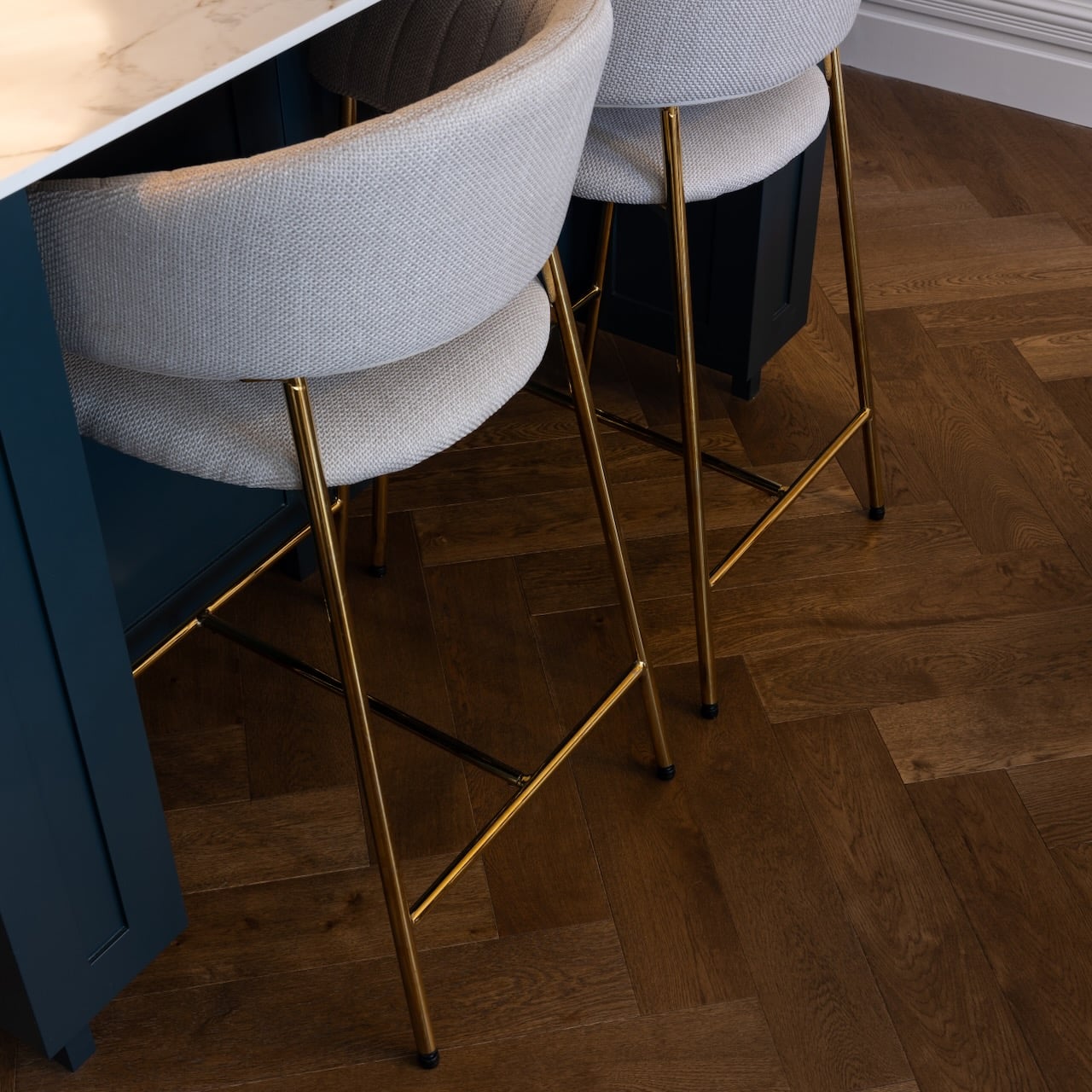
Natural Brown herringbone wood flooring pattern

When investing in timber flooring, understanding its longevity is crucial. The lifespan of your wood flooring, whether it’s solid timber, engineered flooring, or any other variety, can be influenced by a range of factors. Here, we’ll explore how long timber flooring can last and what you can do to maximise its durability.

Factors Affecting the Lifespan of Timber Flooring

1. Type of Timber Flooring

  • Solid Timber Flooring: Made from a single piece of wood, solid timber flooring is known for its exceptional durability. With proper care, it can last anywhere from 50 to 100 years, or even longer.
  • Engineered Timber Flooring: Engineered flooring, crafted from multiple layers of wood, is designed for stability and resilience. It typically lasts between 25 and 30 years but can extend to 40 years with excellent maintenance.

2. Installation Quality

  • Proper installation is key to the longevity of any timber flooring. Poorly installed floors can lead to issues like warping, gaps, and uneven wear, significantly reducing their lifespan. Ensure your flooring is installed by professionals who understand the intricacies of timber and wood flooring.

3. Maintenance Routine

  • Regular maintenance is essential for keeping your timber flooring in top condition. This includes sweeping or vacuuming to remove dirt and grit, using appropriate cleaners, and avoiding excessive moisture. Re-oiling or refinishing your floors every few years can also prolong their life, particularly for engineered flooring.

4. Environmental Factors

  • The environment where your timber flooring is installed plays a significant role in its durability. High humidity, excessive dryness, or fluctuating temperatures can cause wood to expand, contract, or warp. Maintaining a stable environment within your home will help preserve the integrity of your wood flooring.
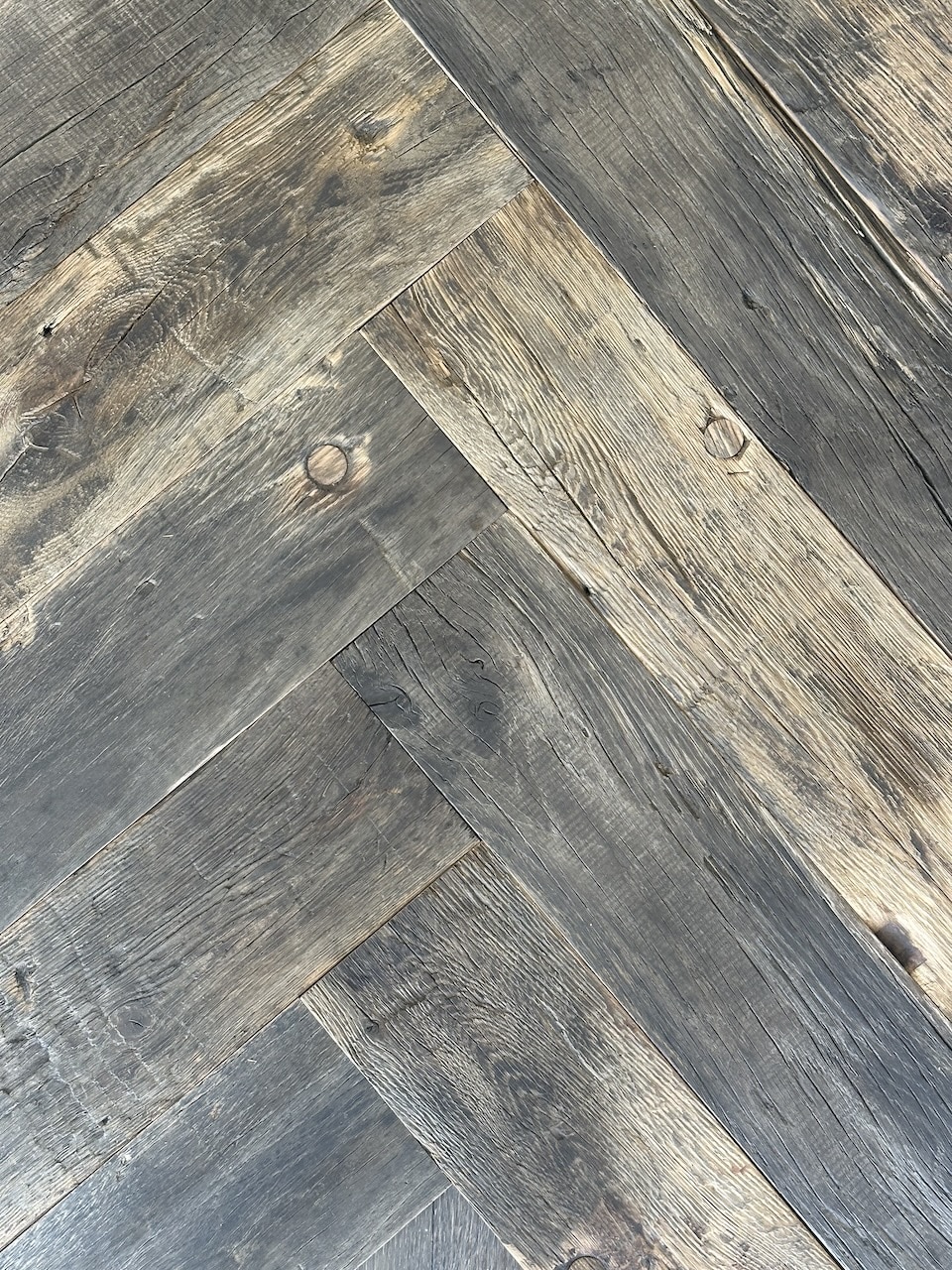
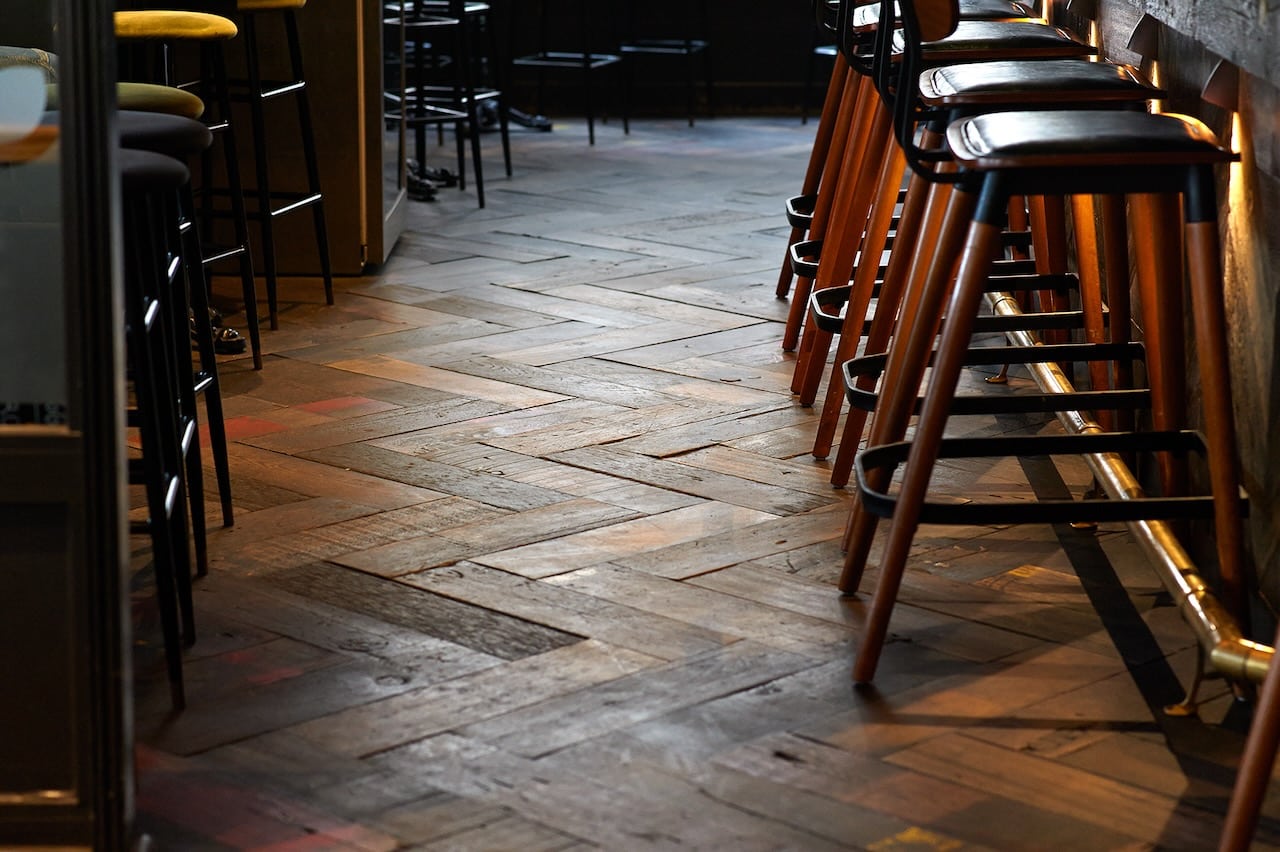
Wagon Herringbone reclaimed grey wood floor solid

Extending the Life of Your Timber Flooring

To ensure your timber flooring stands the test of time, follow these tips:

  • Use Protective Measures: Place mats at entrances to catch dirt and debris before it reaches your floors. Felt pads under furniture can prevent scratches.
  • Regular Cleaning: Dust and dirt can act like sandpaper on your floors, leading to scratches and wear. Regular cleaning is vital.
  • Immediate Spill Management: Wipe up spills immediately to prevent moisture damage, especially on engineered flooring.
  • Professional Maintenance: Periodically, hire professionals to refinish or re-oil your floors. This not only restores their appearance but also adds a protective layer against wear and tear.

The Lifespan of Different Timber Flooring Types

  • Solid Timber Flooring: With the potential to last over a century, solid timber is a long-term investment. It can be sanded and refinished multiple times, which can restore its original beauty even after decades of use.
  • Engineered Timber Flooring: While engineered wood flooring doesn’t last as long as solid timber, its design makes it more resistant to changes in humidity and temperature, which is ideal for areas prone to such fluctuations. It offers a great balance between longevity and practicality.

Timber flooring is a timeless choice that, with proper care, can serve you well for decades. Whether you opt for solid timber or engineered flooring, the key to extending the life of your wood flooring lies in proper installation, routine maintenance, and a stable environment. By following these guidelines, you can ensure your floors remain beautiful and durable for years to come.

If you’re considering timber flooring for your home, or if you need advice on maintaining your existing floors, feel free to contact us at Vienna Woods. We specialise in providing high-quality wood flooring solutions tailored to your needs.
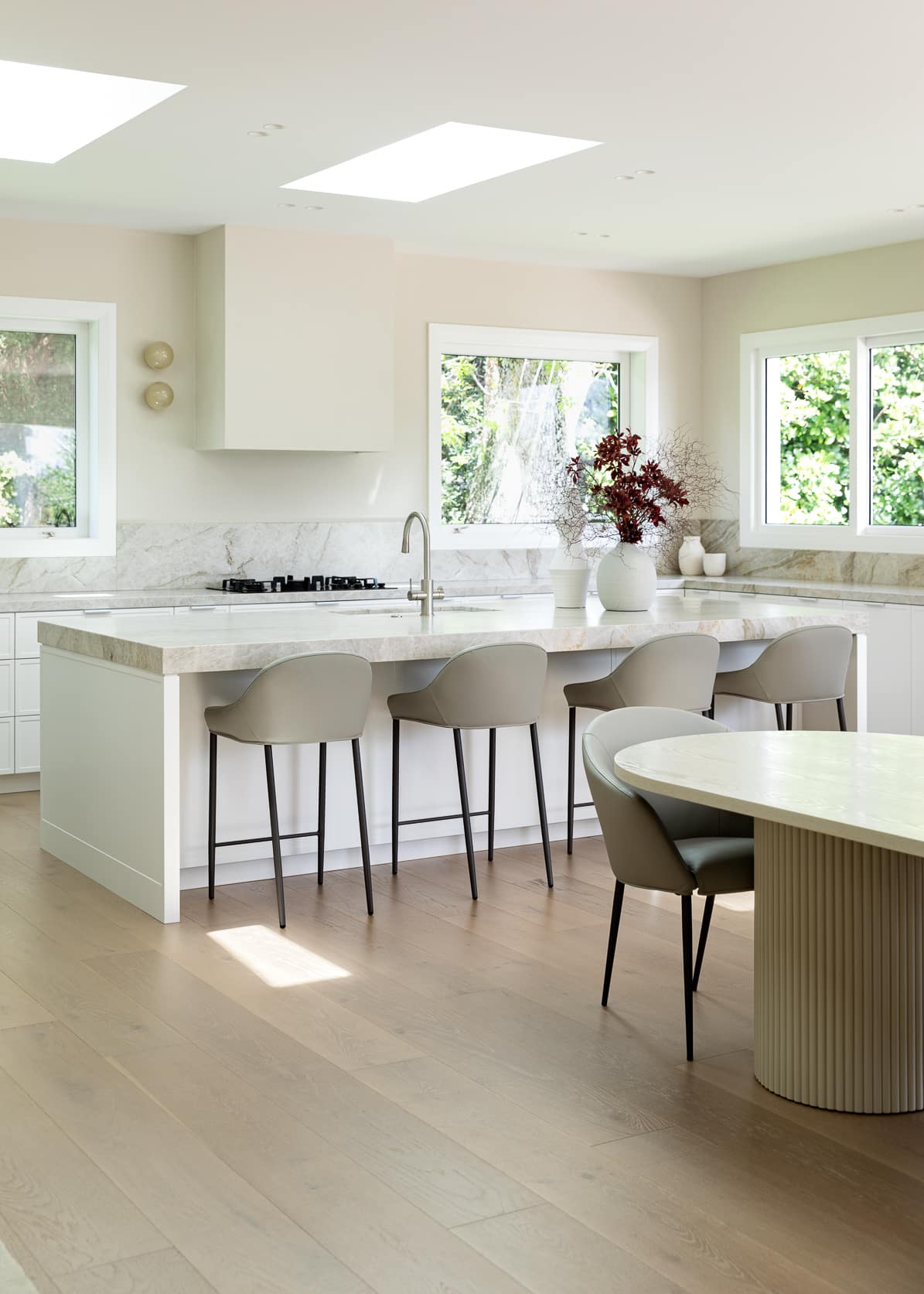
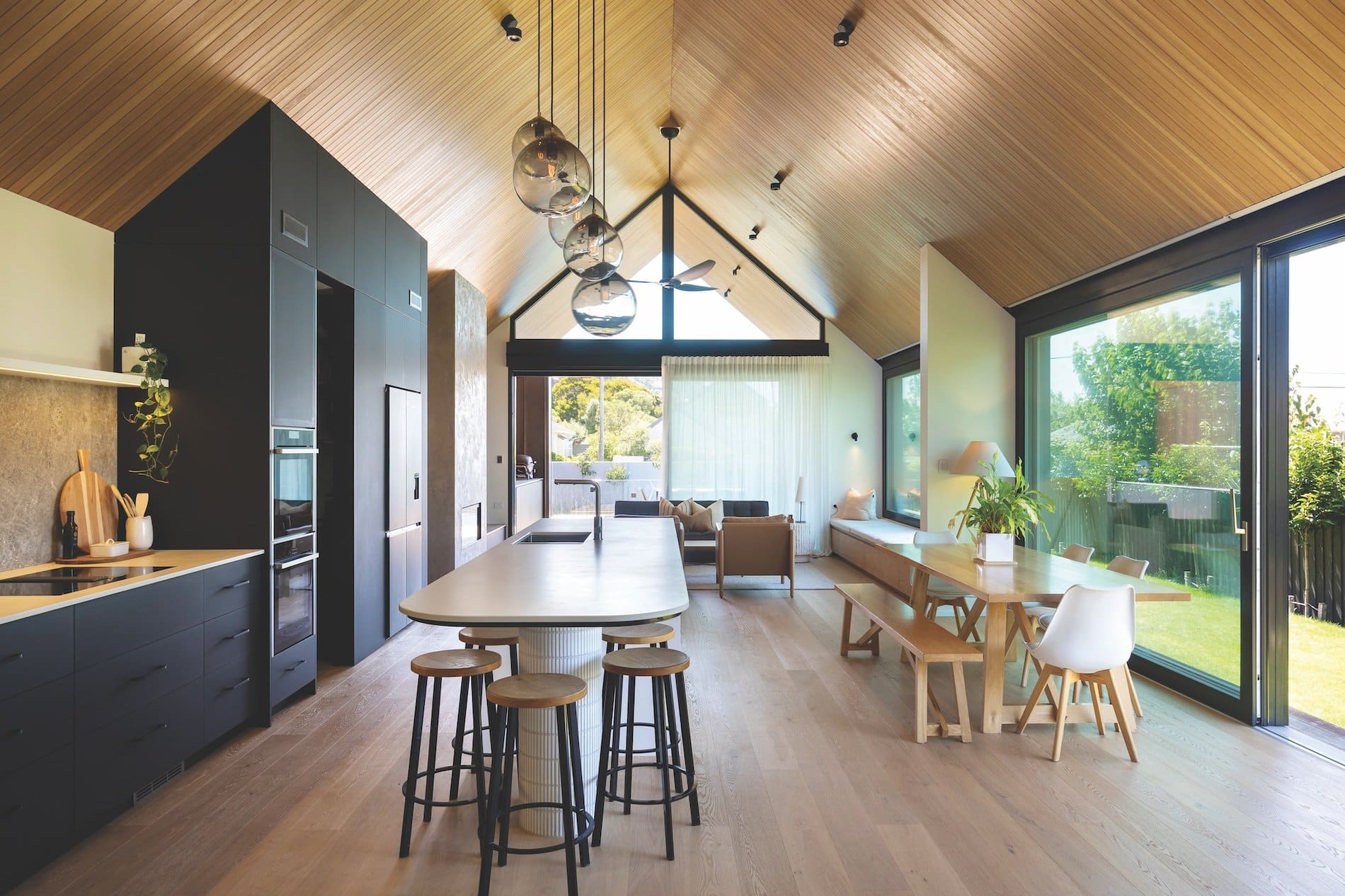
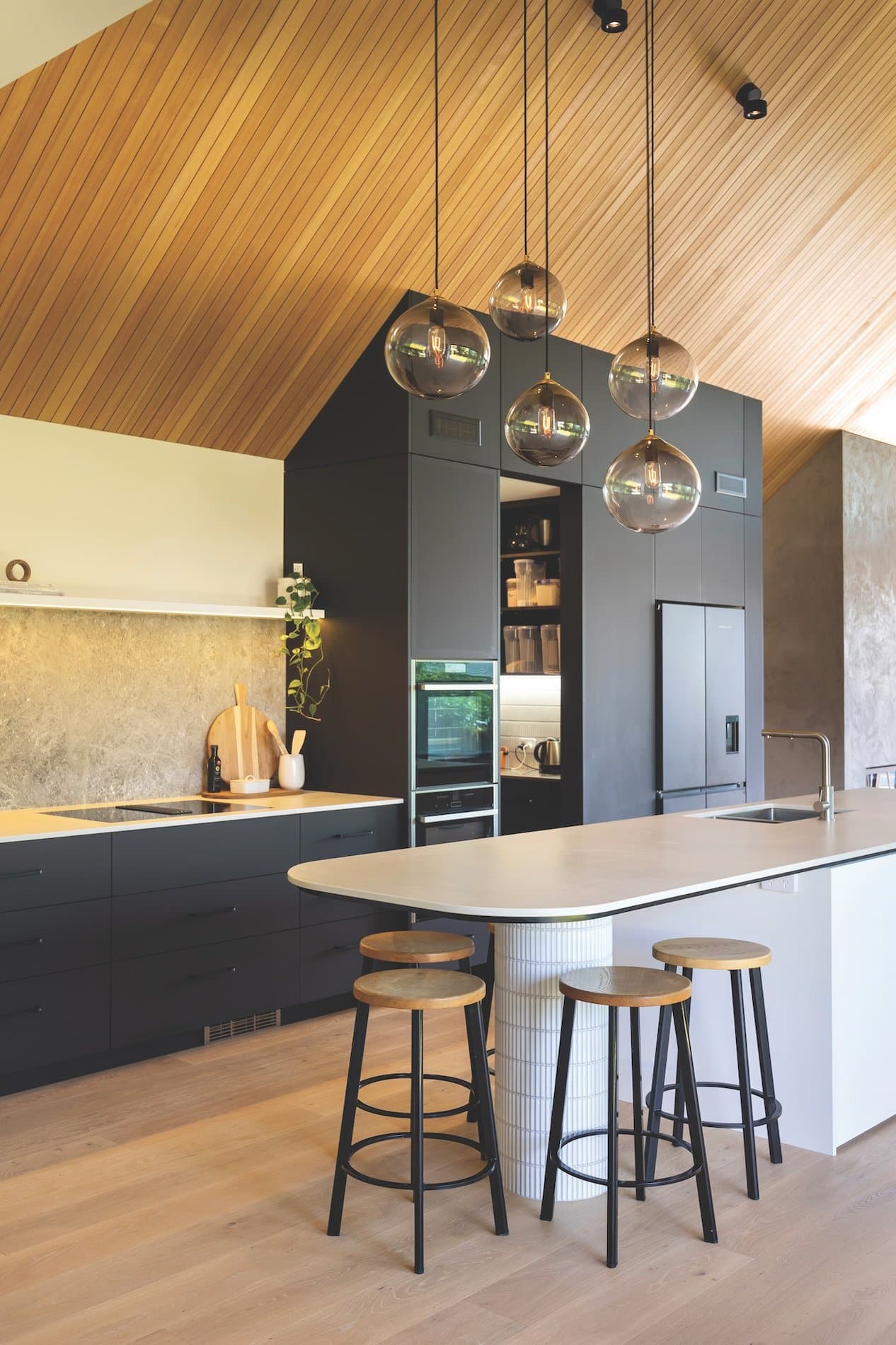
French OAk calming open kitchen Space

Unique Elegance of Reclaimed Wood Flooring

Herringbone Timber Flooring - 44

At Vienna Woods, we are thrilled to introduce a truly exceptional range of aged and reclaimed timber flooring: Antique Floors from Luxembourg. These floors are not just visually captivating but also resonate with our values of sustainability and European craftsmanship.


Why Choose Antique Floors?

Authentic Reclaimed Wood:

Many of the Antique Floors products are made from upcycled materials.  In these cases, each plank tells a story and sometimes that story dates back 150 years. Antique Floors sources their reclaimed wood from historical structures, including century-old French train carriages and old barn rafters. This reclaimed timber offers a unique character, unmatched by new timber floors.

Sustainability:

By repurposing existing wood, Antique Floors significantly reduces the demand for new timber, aligning perfectly with our commitment to environmental responsibility. The use of recycled materials in these floors not only adds charm but also promotes sustainability in home design.

Unparalleled Craftsmanship:

Since 1982, Antique Floors has been handcrafting bespoke flooring. Reclaimed timber flooring and reclaimed wood in general is challenging to work with.  Their artisans are masters in their craft, meticulously selecting and processing each piece of wood to highlight its natural beauty and unique grain. This dedication ensures every floor is a one-of-a-kind masterpiece.

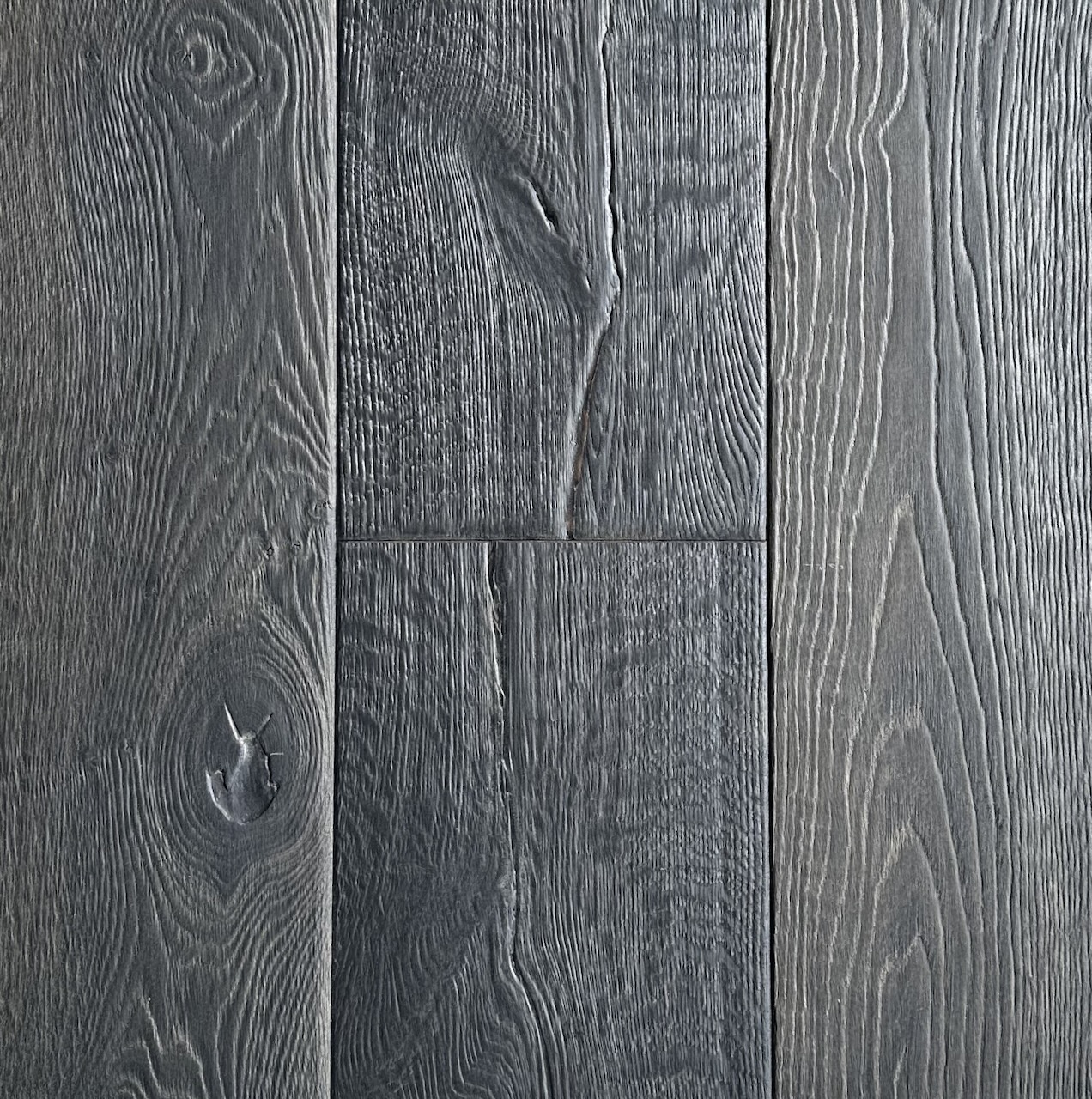
Thermal treated oak flooring European made dark heavy texture timber

Product Highlights

Havane:

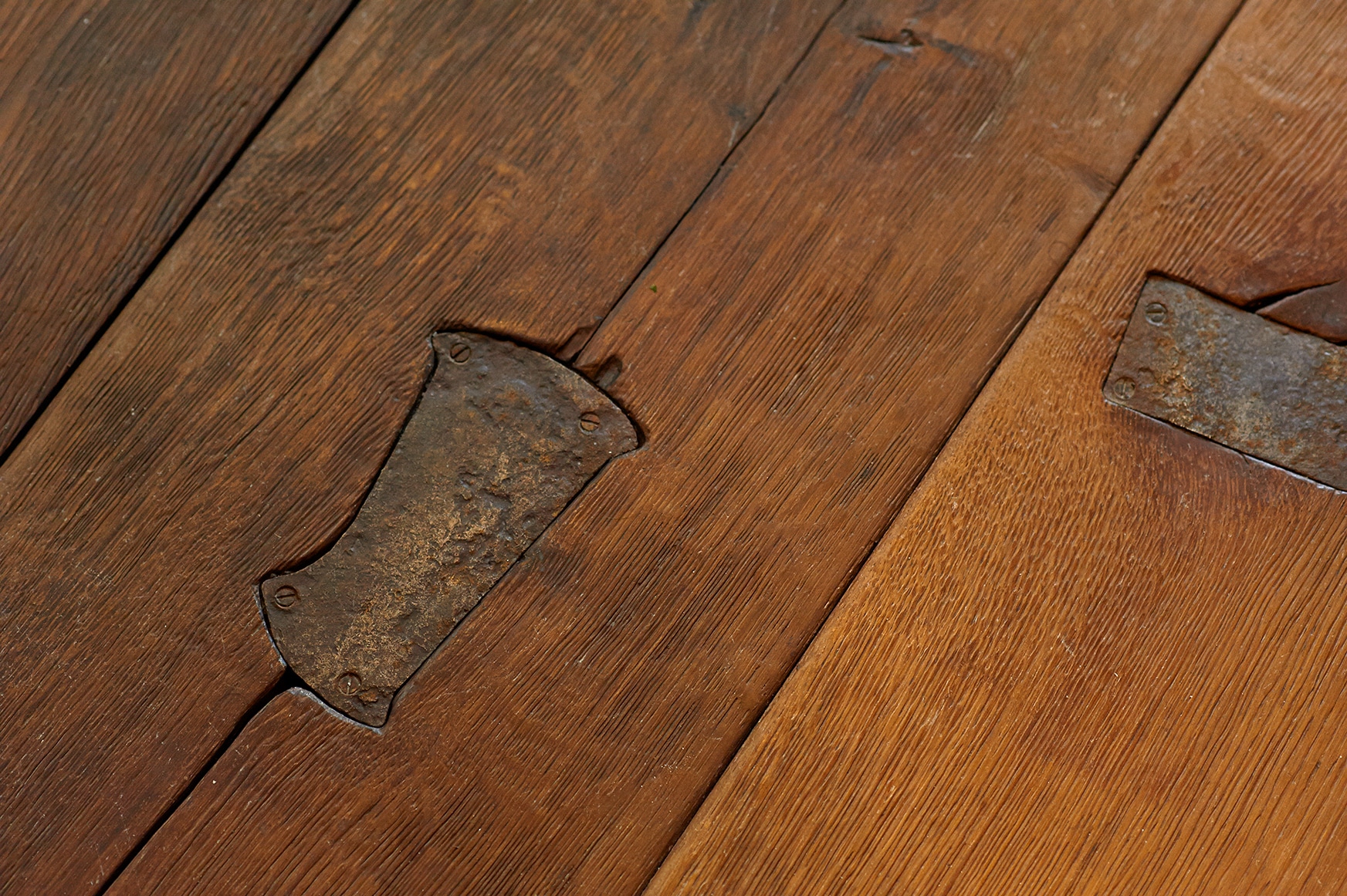
Unique, heat-treated planks with authentic end-grain inserts and interesting metal repairs. Available in a rich natural oak plank (300), a tobacco hue (301) and a dark charcoal colour (307).  Characterised by a structurally stable, colour-fast surface and natural imperfections of variations and beautiful repair work.  Perfect for both commercial and domestic projects due to their dimensional stability and high quality.

Le Bois Gouge Nature:

A luxurious timber flooring option made from sustainably sourced European oak. Each plank is hand-scraped by artisans in Luxembourg, featuring unique knots and grains that add rustic charm and durability. Engineered for stability and easy installation, this flooring suits various interior styles, from rustic to contemporary.

Wagon Boards:

Salvaged from old French train freight carriages, these boards add a rustic charm to interiors. Available in various finishes, they are a testament to the history and durability of reclaimed wood.  Repurposed wood flooring is cherished for the life it’s lived and the stories it could tell, but it also has to look amazing.  If you’re looking for the ultimate in reclaimed timber flooring, then Wagon Boards are the one.

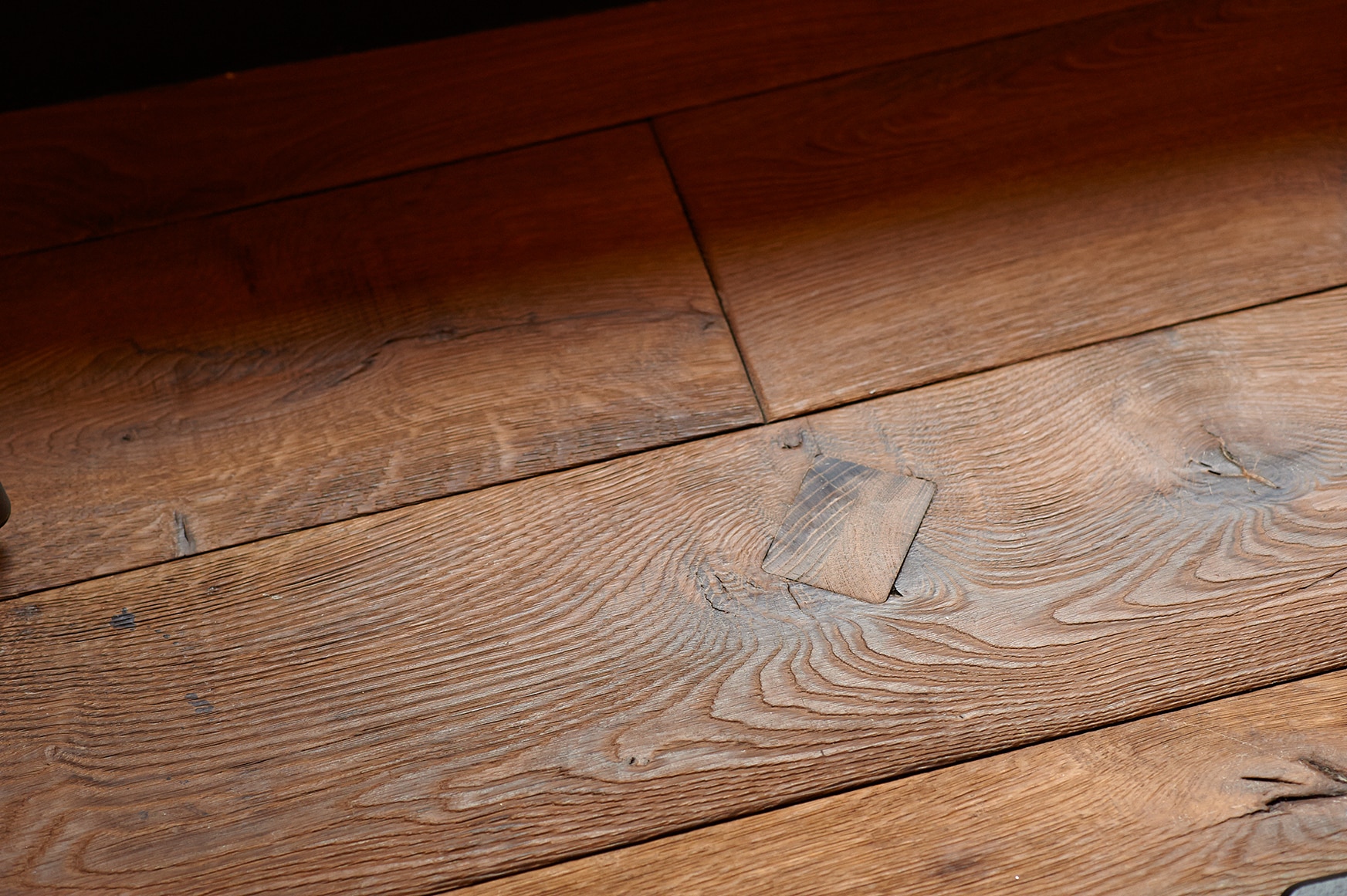
Havane 301 Distressed Timber Flooring

Experience the Antique Floors Difference for Yourself

We invite you to experience the unique charm of Antique Floors firsthand. Visit our showroom for an exclusive viewing where you can see, feel, and appreciate the blend of history and quality craftsmanship. If a visit is not possible, our team is always available to provide more information and assist you in selecting the perfect floor for your project.  Click here to schedule a showroom consultation.

Availability

Each Antique Floors order is produced specifically to suit your space through our Special Order Program.  You can find our more about Vienna Woods Special Orders here.

Embrace the elegance of reclaimed wood flooring with Antique Floors from Luxembourg, available exclusively at Vienna Woods.

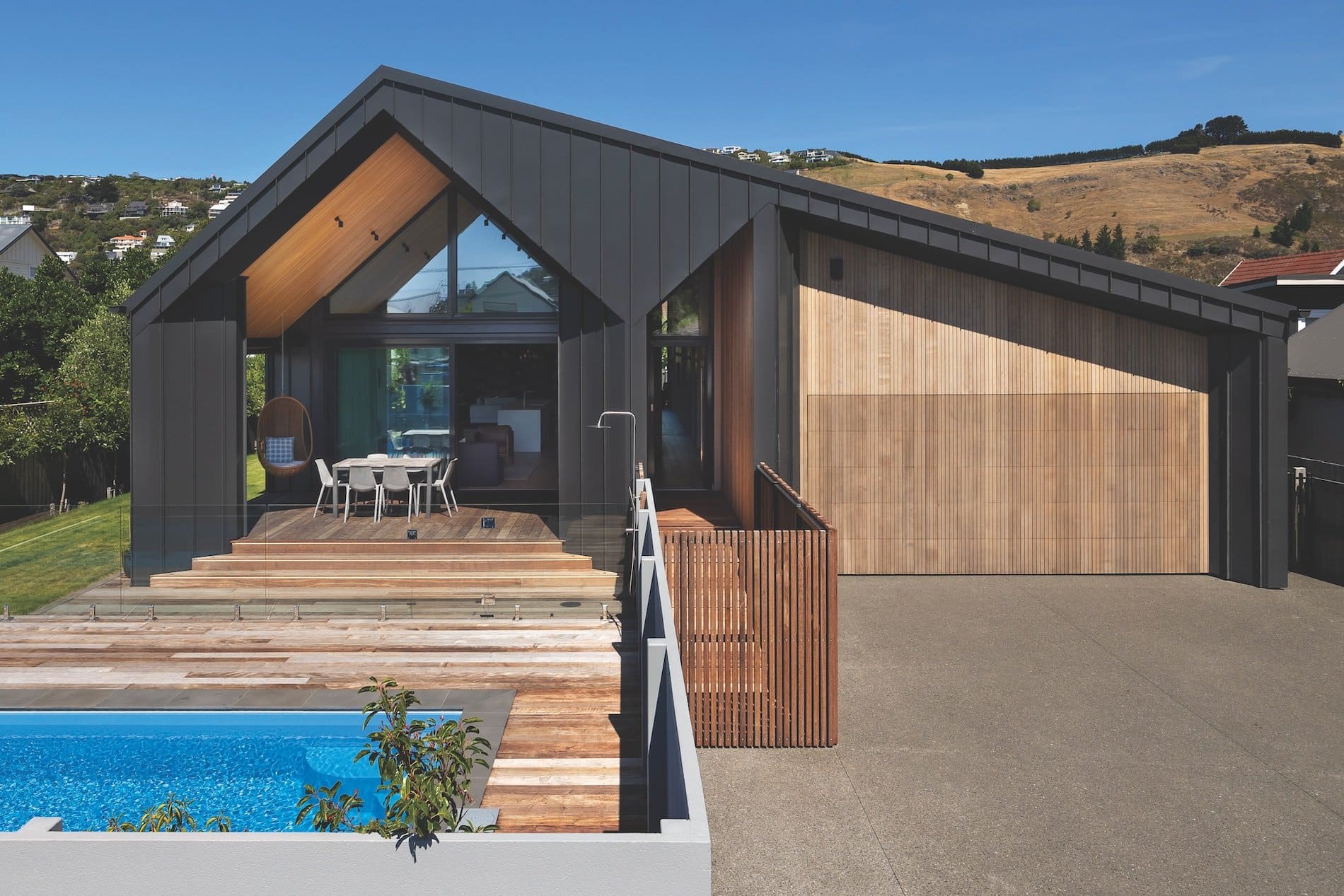
Oiled Timber Flooring in Christchurch Passive Home

Architectural home featuring Vienna Woods Oak timber floor oiled

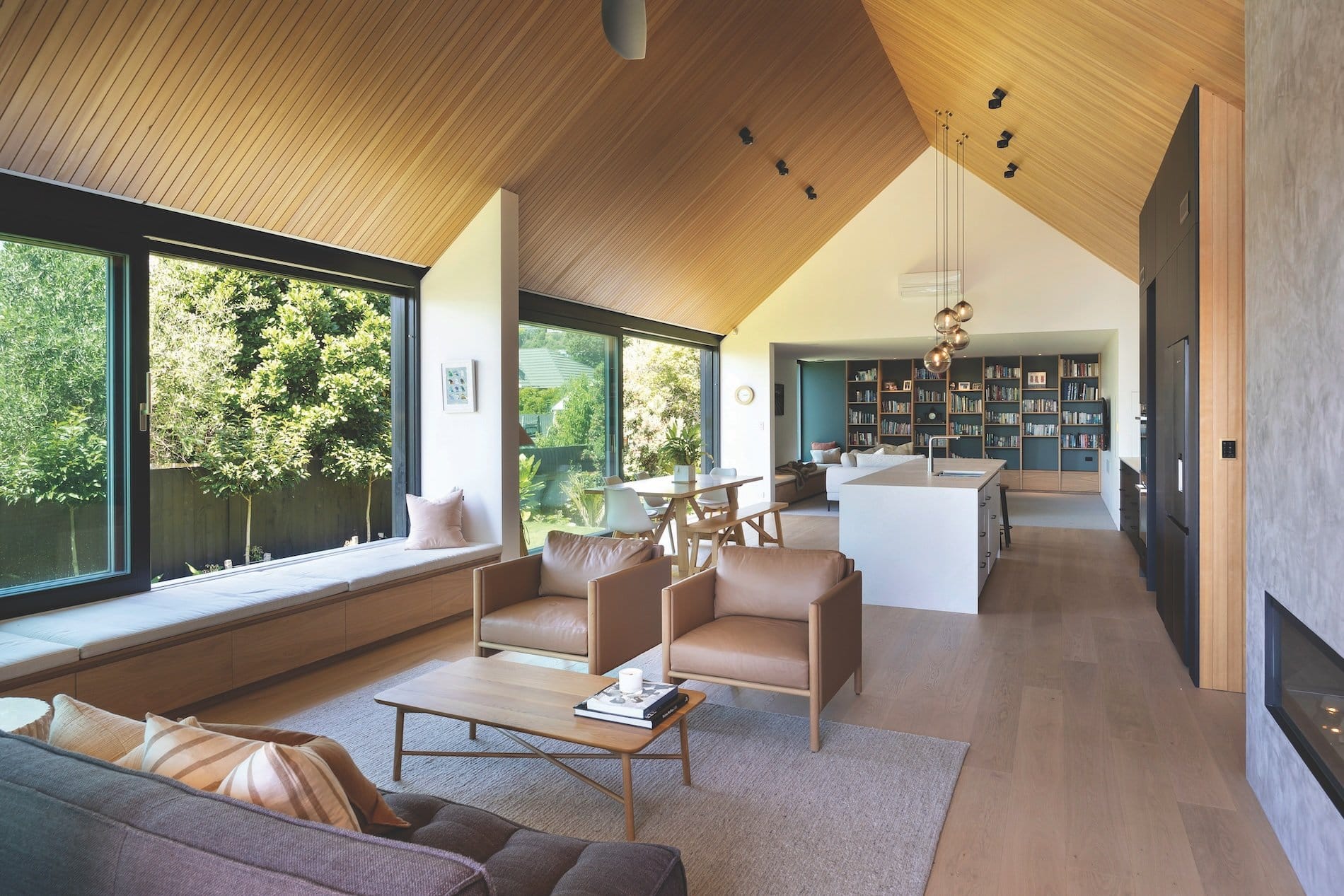
In the picturesque coastal suburb of Sumner, Ōtautahi, a groundbreaking home is setting a new standard for sustainable, high-performance living with its oiled timber floor. Designed by Aaron Jones, director at Urbanfunction, this project, aptly named “Peak Performance,” demonstrates how energy-efficient principles can harmoniously coexist with architectural elegance. The home is a testament to the evolving vision of residential design in Christchurch, emphasising environmental responsibility without compromising on comfort or style.

Architectural home featuring Vienna Woods Oak timber floor oiled

Vision and Execution

The brief for was clear: create a near-passive house that serves as a warm, inviting family home. This was a personal project for Aaron, as the clients were his sister and her husband. Having designed their previous home, Aaron was determined to exceed expectations with this new build. The result is a meticulously crafted 300sqm residence that integrates durable, natural materials and cutting-edge energy efficiency.

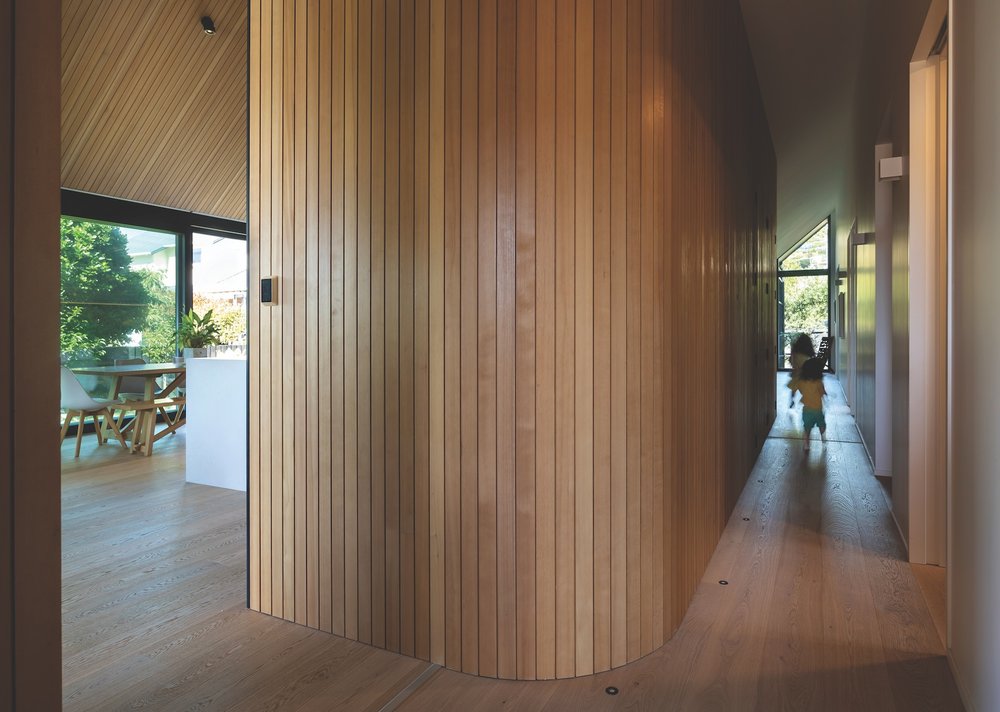
One of the standout features of this home is its use of a naturally oiled European oak timber floor, supplied by Vienna Woods and crafted by Admonter in Austria. This high-quality engineered oak flooring is not only visually striking but also contributes significantly to the home’s sustainability and indoor air quality.  The homeowner was quite particular about avoiding harmful chemicals and an oiled timber floor was the obvious choice.  See another NZ home with Admonter oiled floors here.

Architectural home featuring Vienna Woods Oak timber floor oiled

The Role of Oiled Timber Flooring

An oiled timber floor plays a crucial role in enhancing both the aesthetic and functional aspects of the Peak Performance home. The choice of a naturally oiled finish over traditional lacquers aligns perfectly with the project’s emphasis on health, sustainability, and durability.

Oiled timber floors offer several benefits:

  • Natural Look and Feel: The oil penetrates the wood, highlighting its natural grain and texture, giving each plank a unique and organic appearance.
  • Durability: The oil finish provides a robust protective layer that can withstand the wear and tear of a busy family home while being easy to maintain and repair.
  • Indoor Air Quality: Unlike some finishes that can off-gas harmful chemicals, natural oils are non-toxic, supporting the home’s goal of low to no off-gassing.
  • Sustainability: The oil used in finishing the floors is derived from natural sources, aligning with the home’s overall eco-friendly ethos.

These benefits were particularly important for the homeowners, who desired an airtight home with low to no off-gassing. The natural oiled finish of the Vienna Woods European oak flooring ensured that the indoor environment remained healthy and sustainable.

Read more about the benefits of naturally oiled wooden flooring here.

Havane 301 Distressed Timber Flooring

Collaborative Excellence

The success of the Peak Performance project was the result of a collaborative effort involving several skilled professionals. Aaron Jones and the team at Urbanfunction worked closely with suppliers and craftsmen to ensure every detail met the high standards required for a super high-performance home.

  • Architect: Aaron Jones, Urbanfunction
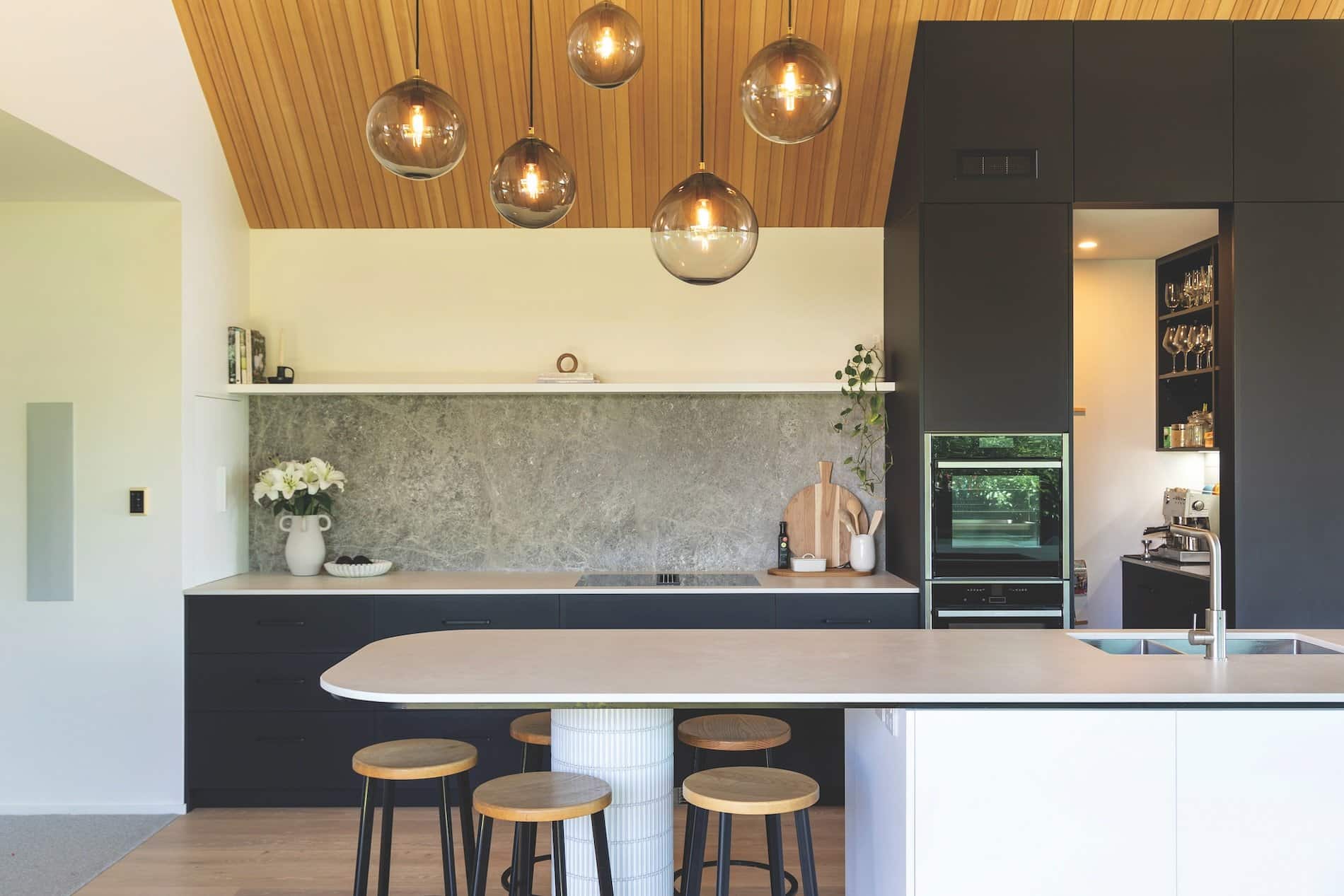
  • Bespoke Cabinetry: Podocarp Cabinetry, responsible for the custom-made kitchen cabinetry and American oak joinery, which complemented the natural aesthetic of the oiled timber floors.
  • Photography: Stephen Entwisle of Right Angles Photography, capturing the beauty and functionality of the home with stunning visuals.

Sustainable Design Features

In addition to the oiled timber flooring, the Peak Performance home incorporates several innovative features aimed at maximizing energy efficiency and sustainability:

  • Twin-Skinned Timber Framing: Thicker than standard building code requirements, providing superior insulation.
  • Cross-Laminated Panel Flooring System: Enhances the structural integrity and thermal performance of the home.
  • Triple-Glazed Windows: Imported from Lithuania, these windows optimize natural light and solar gain while minimizing heat loss.
  • Mechanical Ventilation Heat Recovery System (MVHR): Ensures optimal indoor air quality and energy efficiency by continuously exchanging indoor air with fresh outdoor air.

This home in Sumner stands as a beacon of what’s possible in sustainable residential design. With its naturally oiled European oak timber floors from Vienna Woods, it exemplifies the perfect blend of aesthetic beauty, durability, and environmental responsibility. As more homeowners seek to reduce their environmental footprint, the principles and practices demonstrated in this project will undoubtedly lead the way, showcasing the immense potential of super high-performance house design.

Why Choose Oiled Timber Flooring?

Architectural home featuring Vienna Woods Oak timber floor oiled

Choosing the right finish for your timber flooring is a crucial decision. Among the various options available, oiled timber floors offer a range of benefits that make them an excellent choice for both residential and commercial spaces. Here are the top reasons to consider an oiled wood floor:


1. Natural Aesthetic Appeal

Oiled timber floors maintain the natural beauty and character of the wood. The oil enhances the grain and texture, providing a warm and inviting look. Unlike other finishes, it doesn’t form a layer on top but penetrates the wood, giving it a more natural appearance.


2. Easy to Repair Scratches

One of the significant advantages of an oiled hardwood floor is the ease of repairing scratches. Minor scratches and scuffs can be easily buffed out with a bit of oil, restoring the floor to its original condition without the need for sanding or refinishing.


3. No Need to Sand and Refinish

With an oiled finish, there’s no need to sand and refinish the entire floor to address wear and tear. Regular maintenance involves reapplying oil to high-traffic areas, which is a straightforward process compared to the intensive work required for lacquered or varnished floors.


4. Customisable Colours

Oiled floors offer the flexibility to adjust the colour of your wood floor. The oil can be tinted to match your desired hue, allowing for a customised look that can enhance the overall aesthetic of your space. This makes it an ideal choice for designers and homeowners looking to achieve a specific ambiance.


5. Environmental Benefits

Opting for an oiled timber floor is an environmentally friendly choice. The oils used are often derived from natural sources and are less harmful to the environment compared to synthetic finishes. Additionally, the maintenance process is gentler on the environment, requiring fewer harsh chemicals.


6. Better Humidity Regulation

Oiled wood floors have the unique ability to better regulate the humidity of a room. The oil allows the wood to breathe, which helps maintain a balanced indoor climate. This can be particularly beneficial in areas with varying humidity levels, reducing the risk of warping or cracking.


7. Enhanced Durability

The oil penetrates deep into the wood, providing enhanced durability and protection from within. This internal protection helps the floor withstand daily wear and tear, making it a long-lasting option for high-traffic areas.


8. Healthier Indoor Air Quality

Using natural oils for finishing timber flooring can contribute to healthier indoor air quality. These oils often have lower volatile organic compounds (VOCs) compared to synthetic finishes, reducing the emission of harmful substances into the air.


9. Low Maintenance

Maintaining an oiled timber floor is relatively easy. Regular sweeping and occasional mopping with a damp cloth are usually sufficient to keep the floor clean. Periodically reapplying the oil keeps the wood nourished and protected, ensuring it remains in excellent condition for years.


10. Versatility in Application

Oiled finishes are versatile and can be applied to various types of wood, including engineered timber floors and natural wood flooring. This makes them suitable for a wide range of applications, from traditional hardwood floors to modern engineered options.


11. The Timeless Elegance of Oiled Timber Flooring

Oiled wood floors offer a timeless elegance that complements any interior style. Whether you prefer a rustic, traditional look or a sleek, modern design, an oiled finish enhances the natural charm of the wood, adding value and beauty to your space.


Choosing an oiled timber floor brings numerous benefits, from easy maintenance and repair to environmental advantages and improved indoor air quality. Its natural, customisable finish and ability to regulate humidity make it a practical and aesthetically pleasing choice for any home or commercial space. By opting for an oiled finish, you ensure a beautiful, durable, and eco-friendly wood floor that will stand the test of time.

Havane 301 Distressed Timber Flooring

The Discerning Difference: European Oak vs. American White Oak Flooring in New Zealand

Choosing the perfect timber floor can feel overwhelming. From the vast array of wood species to aesthetic considerations and performance needs, it’s a decision that requires careful thought. Today, we delve into the world of oak flooring, specifically comparing European oak and American white Oak, two titans of the hardwood flooring industry. Understanding these distinctions empowers you to make an informed decision for your New Zealand timber flooring project.

European Oak: Rich Character and Durability

European oak (Quercus robur) reigns supreme for its timeless appeal and exceptional resilience. Here’s a breakdown of its key characteristics:

  • Colour: European oak boasts a warm, honey-like medium brown colour, often slightly darker than its American counterpart [1].
  • Grain Pattern: This oak variety features a distinctive, wavy grain pattern with prominent knots and swirls, lending a touch of rustic charm [2]. In some instances, you might even encounter “burr,” a unique and eye-catching figuring [2].
  • Stability: European oak is renowned for its dimensional stability, making it a preferred choice for areas with fluctuating humidity levels like kitchens and bathrooms [3]. While pre-finished options are available, European oak is also commonly finished on-site in New Zealand to achieve a custom look and feel.

American White Oak: A Lighter Touch and Modern Appeal

Hailing from North America, American white oak (Quercus alba) offers a distinct aesthetic perfect for contemporary spaces. Let’s explore its defining features:

  • Colour: American white oak exhibits a lighter tan colour with occasional pinkish and yellow hues, creating a more subtle and modern look [2].
  • Grain Pattern: This species showcases a straighter, more uniform grain pattern, ideal for those seeking a clean and minimalist aesthetic [2].
  • Rot Resistance: American white oak is celebrated for its exceptional resistance to rot and decay due to its closed cellular structure [4]. American white oak is often pre-finished, but site-finishing is also an option. 

Here’s a table summarising the key differences:


Feature European Oak American White Oak
Colour Warm, honey-like medium brown Lighter tan with occasional pink/yellow hues
Grain Pattern Wavy, prominent knots and swirls Straighter, more uniform
Stability Excellent for areas with fluctuating humidity Good stability
Rot Resistance Good Excellent
Finishing (NZ) Pre-finished or site-finished Pre-finished or site-finished


Choosing the Right Oak for You:

Ultimately, the best oak variety for your project hinges on your desired aesthetic and performance needs.

  • European oak shines in traditional and rustic settings, and its exceptional stability makes it ideal for high-traffic areas and rooms with fluctuating humidity. The ability to achieve a custom finish on-site can also be a major advantage.
  • American white oak complements modern and minimalist design, and its superior rot resistance makes it well-suited for moisture-prone areas. Pre-finished options offer a quicker installation process.

Additional Considerations:

  • Hardness: Both European and American white oak are considered very hard and durable woods [5].
  • Price: European oak typically commands a higher price point compared to American white oak [1].

Beyond the Basics:

While European oak and American white oak represent the most commonly used oak varieties for flooring, there are other options to explore, each with its unique characteristics. Here are a few examples:

  • French Oak: Renowned for its beautiful knots and graining, perfect for rustic elegance [6].
  • English Oak: Offers a lighter colour spectrum compared to other European oaks, ideal for creating a bright and airy feel [6].
  • American Red Oak: Provides a reddish-brown hue, perfect for those seeking a warmer, more traditional look [7].

Understanding the distinctions between European oak and American white oak empowers you to make an informed decision for your timber flooring project in New Zealand. Whether you crave the rich character of European oak or the light sophistication of American white oak, both offer enduring beauty and exceptional performance.


Wood Cutting Techniques; What is the Best for Timber Flooring?

When it comes to creating luxury hardwood floors, the method of cutting timber plays a crucial role in determining the final appearance, durability, and performance of the flooring. There are several primary methods for cutting timber, each with its own advantages and drawbacks. In this article, we will explore the most common techniques used in the timber flooring industry: quarter sawn, rift sawn, plain sawn (also known as live sawn), and end grain. We’ll discuss each method in detail and outline their specific pros and cons, helping you make an informed choice for your next timber flooring project.

Plain Sawn (Live Sawn) Timber

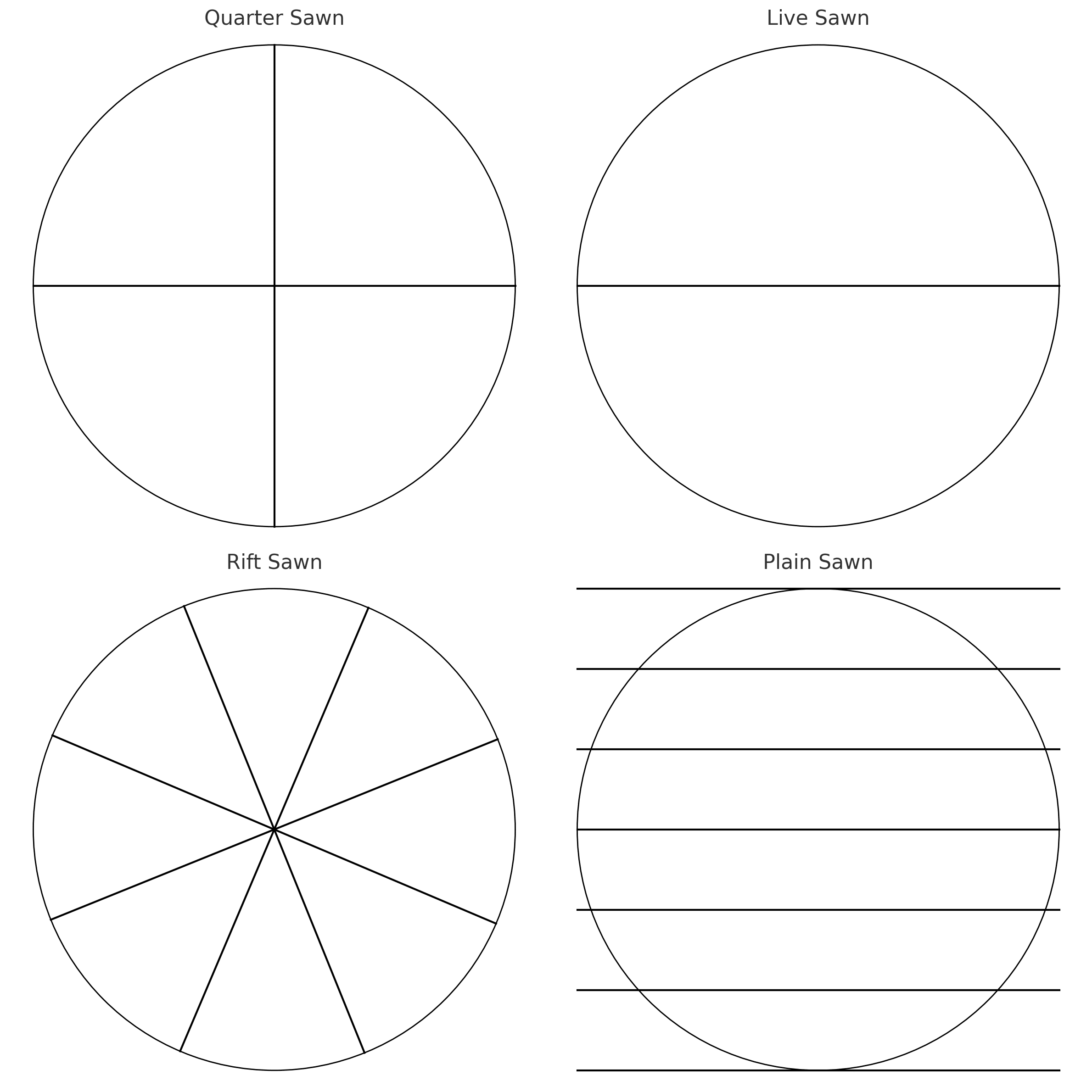
Description: Plain sawn, also known as live sawn, is the most common and efficient method of cutting timber. The log is cut tangentially to the growth rings, resulting in a wide variety of grain patterns, including cathedral peaks and loops.

Pros:

  • Efficient and Cost-Effective: This method maximizes the yield from each log, making it more affordable.
  • Varied Grain Patterns: The diverse grain patterns can add a unique and dynamic aesthetic to flooring.

Cons:

  • Tendency to Warp: Plain sawn boards are more prone to warping and cupping due to the way the grain is exposed.
  • Less Stable: Compared to other methods, plain sawn timber can be less dimensionally stable, especially in environments with fluctuating humidity.
Diagram showing Cutting cross section for timber logs

Quarter Sawn Timber

Description: Quarter sawn timber is produced by first cutting the log into quarters and then sawing perpendicular to the growth rings. This method creates a linear grain pattern that is more uniform and less pronounced than plain sawn timber.

Pros:

  • Increased Stability: Quarter sawn boards are less likely to warp, cup, or twist, making them ideal for environments with varying moisture levels.
  • Aesthetic Appeal: The linear grain pattern is often considered more refined and attractive, and it can feature unique ray flecks, especially in species like oak.
  • Wear Resistance: The vertical grain structure provides greater resistance to wear and tear, making it suitable for high-traffic areas.

Cons:

  • Higher Cost: The process yields less usable timber and is more labor-intensive, leading to higher costs.
  • Limited Availability: Due to its lower yield and higher demand, quarter sawn timber can be harder to source.

Rift Sawn Timber

Description: Rift sawn timber is cut at a slight angle to the radial, typically between 30° to 60°, resulting in a tight, straight grain pattern. This method is less common and more expensive due to its lower yield.

Pros:

  • Superior Stability: Like quarter sawn timber, rift sawn boards offer excellent dimensional stability and are less prone to movement.
  • Consistent Grain: The straight grain pattern is highly uniform and considered very desirable for a sleek, modern look.
  • Minimal Seasonal Gapping: This method minimizes the gaps that can occur between boards during seasonal changes.

Cons:

  • Expensive: The lower yield and more complex sawing process make rift sawn timber the most expensive option.
  • Wasteful: This method produces more waste compared to plain sawn and quarter sawn techniques.

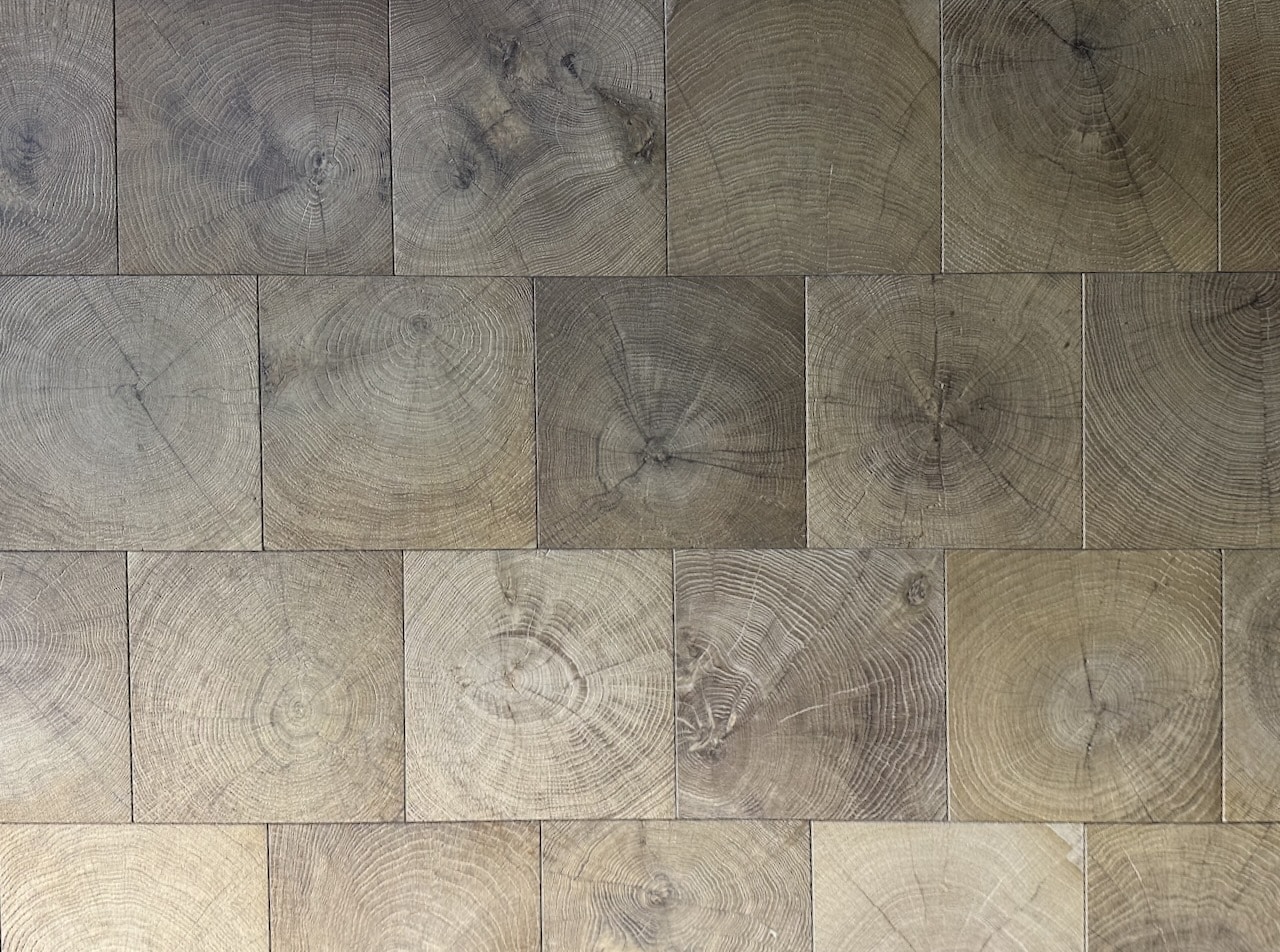
End Grain Timber

Description: End grain timber is created by cutting the log cross-sectionally, exposing the ends of the growth rings. This method is often used for specialty flooring and creates a unique, block-like pattern.

Pros:

  • Exceptional Durability: End grain boards are extremely hard and wear-resistant, ideal for high-impact areas.
  • Unique Appearance: The pattern created by end grain cutting is distinctive and can add a bold statement to any space.
  • Natural Resilience: The orientation of the grain makes end grain timber naturally resistant to splitting and chipping.

Cons:

  • Complex Installation: End grain flooring can be more challenging to install and requires a skilled professional.
  • High Cost: The intricate cutting and installation process make end grain timber one of the more expensive options.

For more information on timber flooring and expert advice on choosing the right type of wood for your project, feel free to contact us at Vienna Woods, your Auckland wood flooring specialist. Whether you’re looking for luxury hardwood floors or specialist wood flooring solutions, we are here to help you every step of the way.