
Filter Products
Classic European patterns specified for contemporary interiors
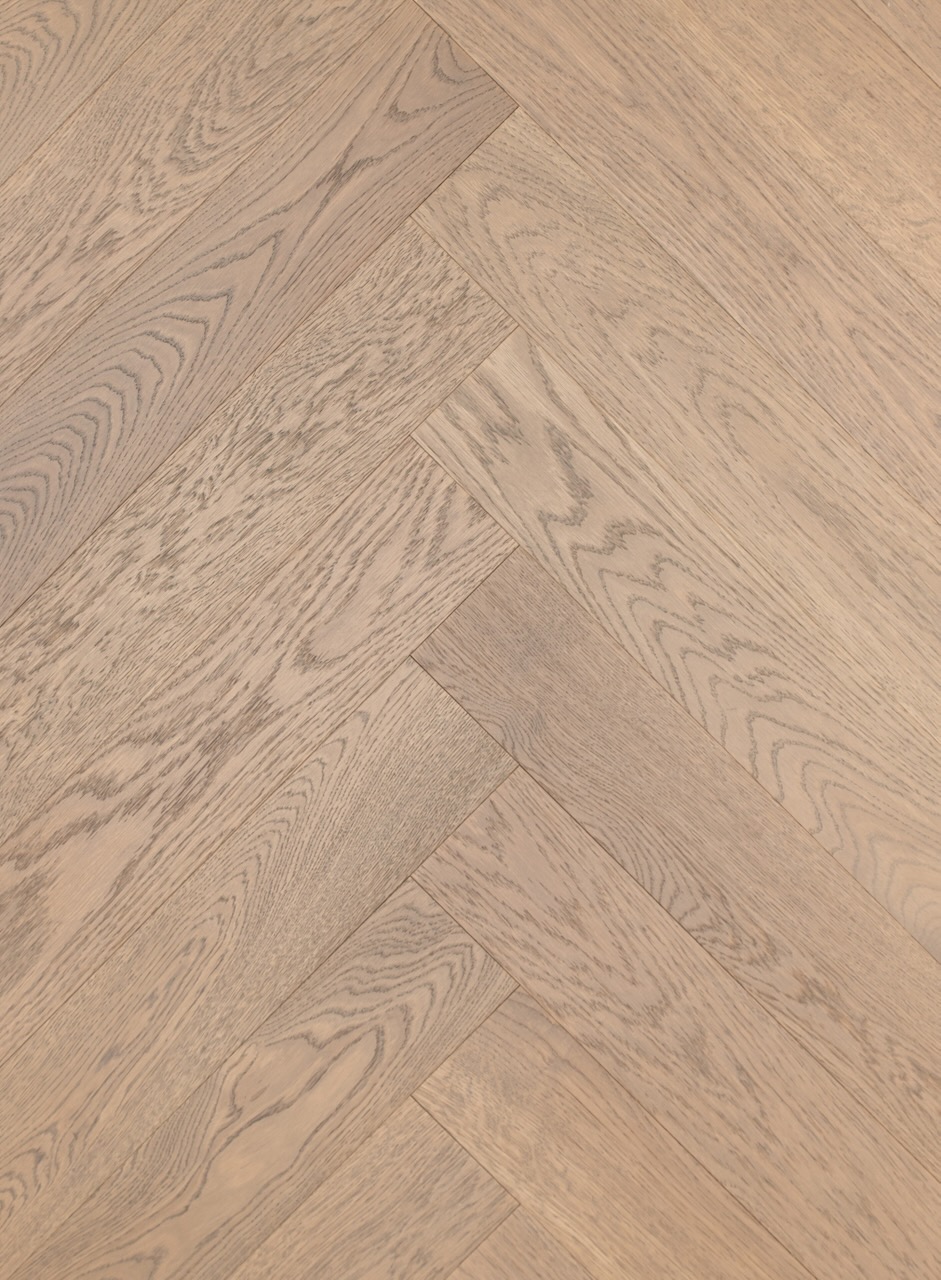
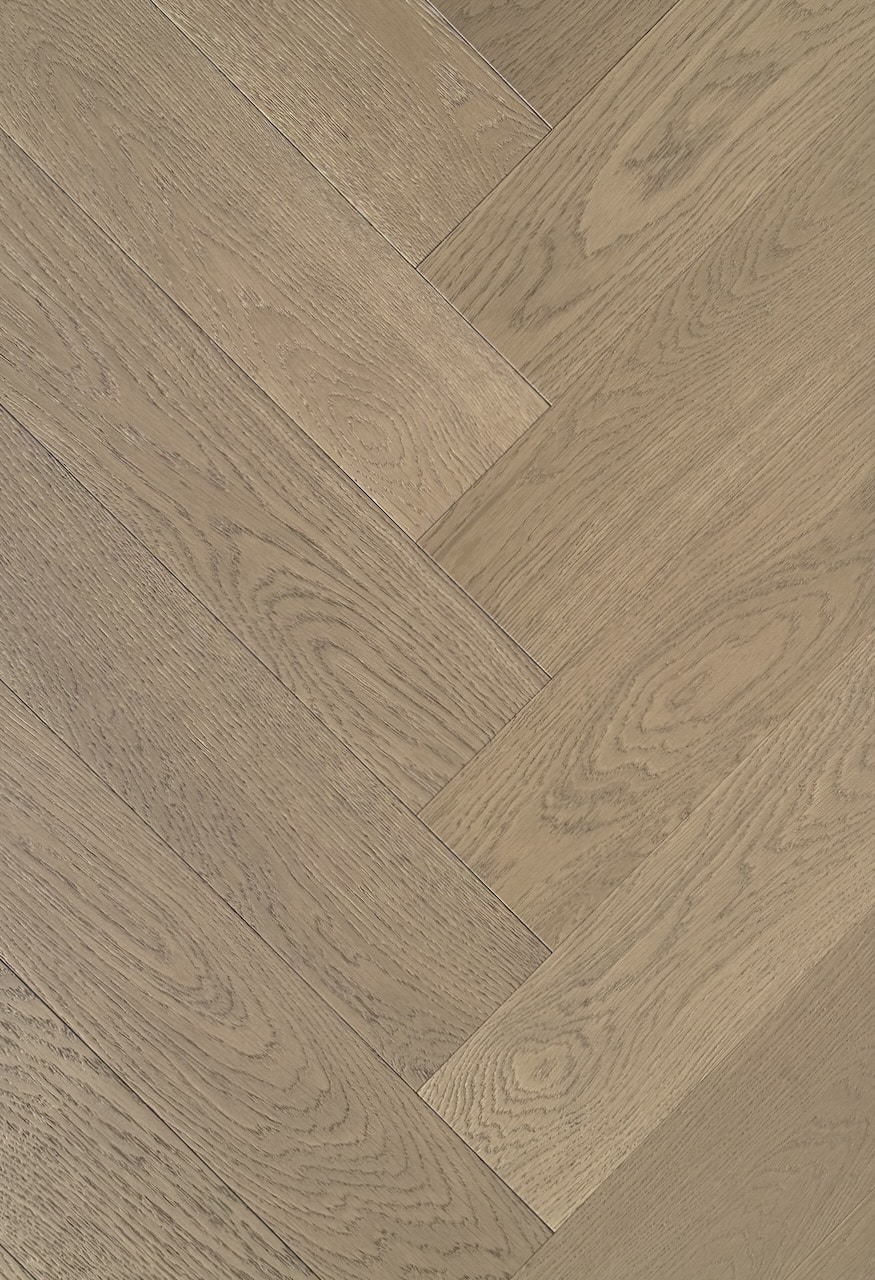
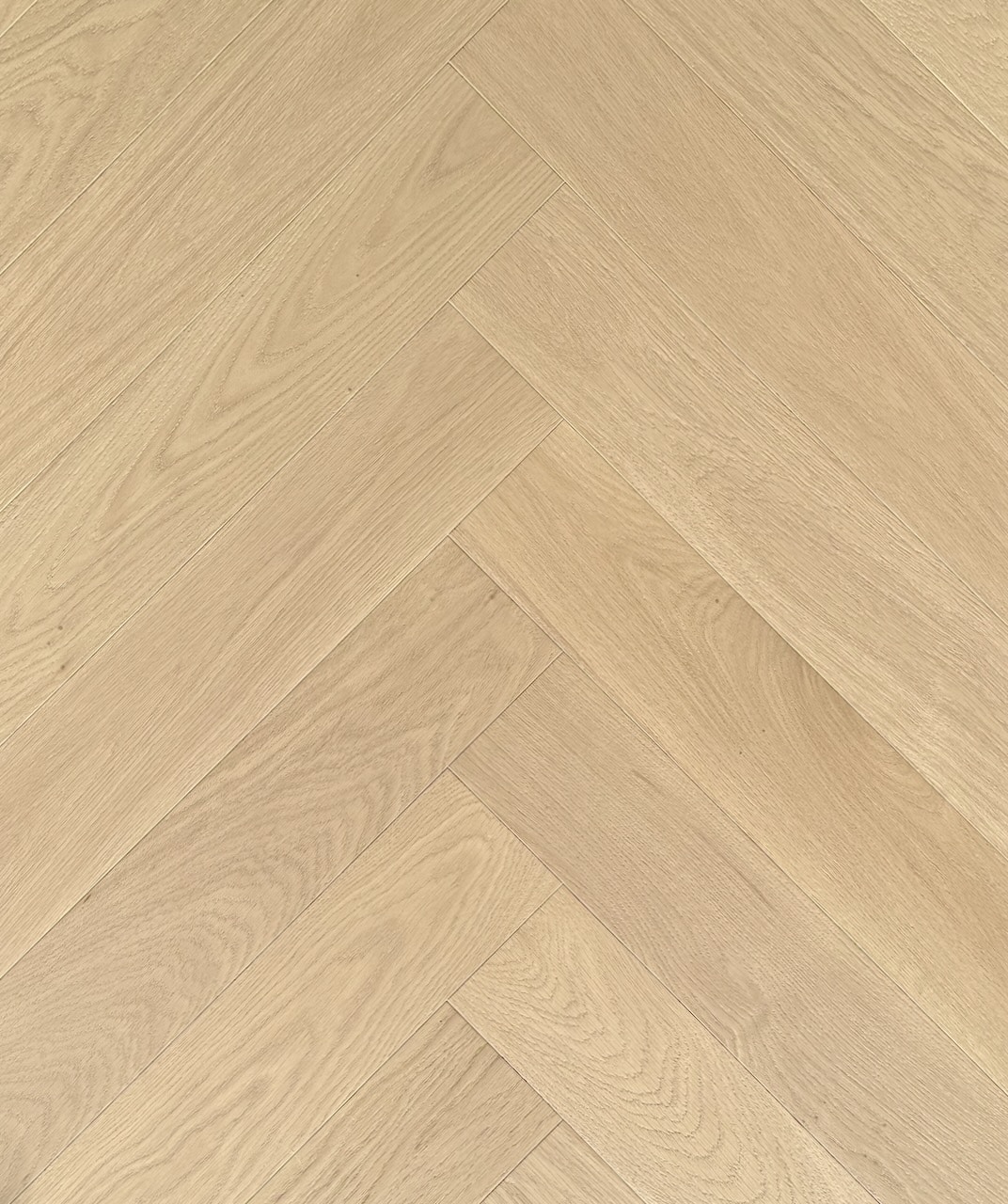
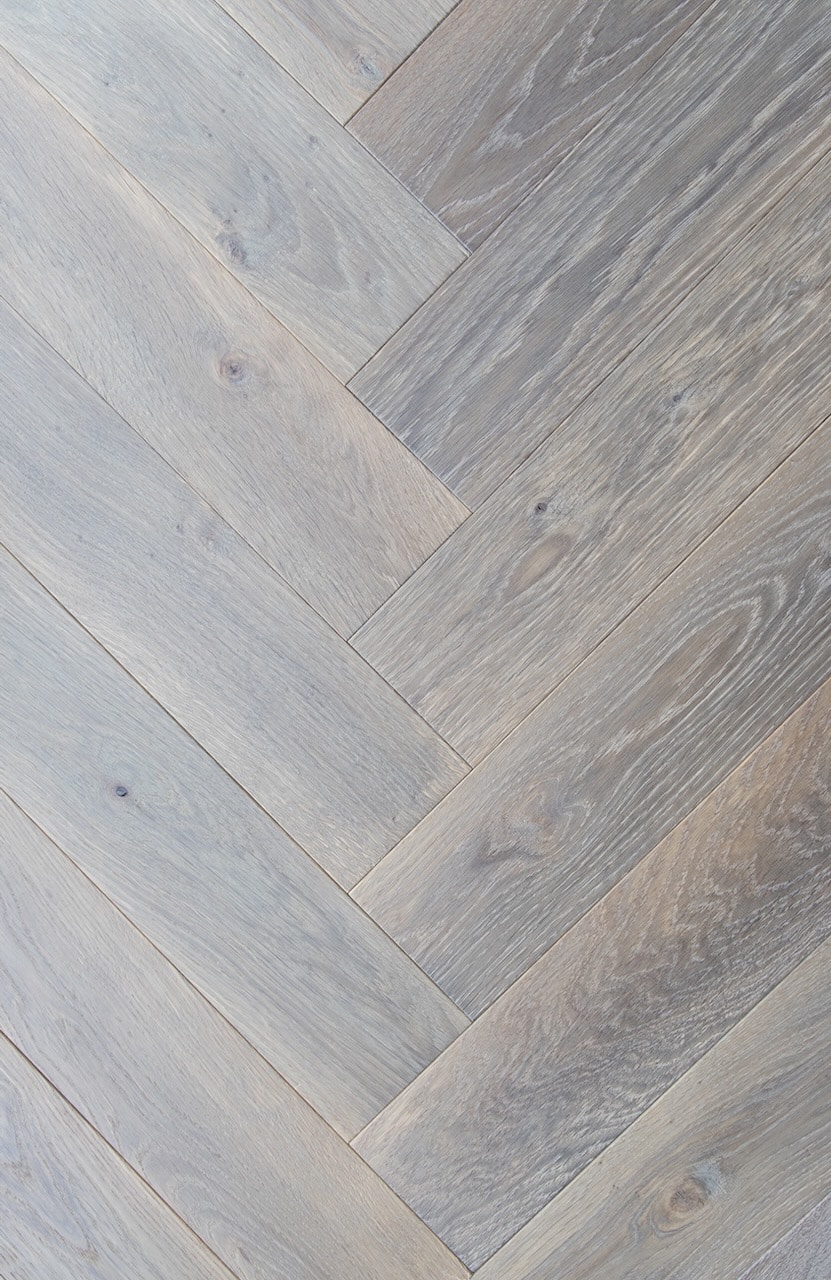
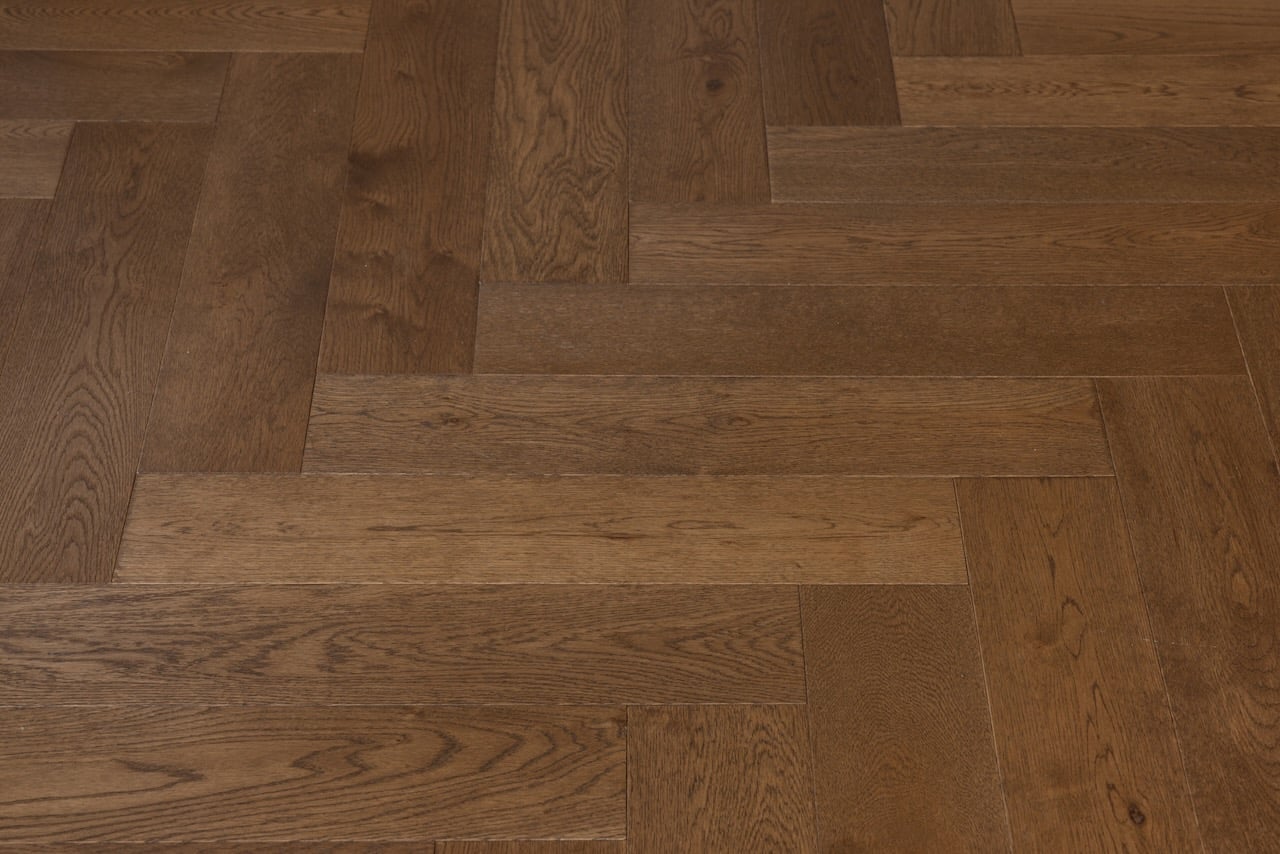
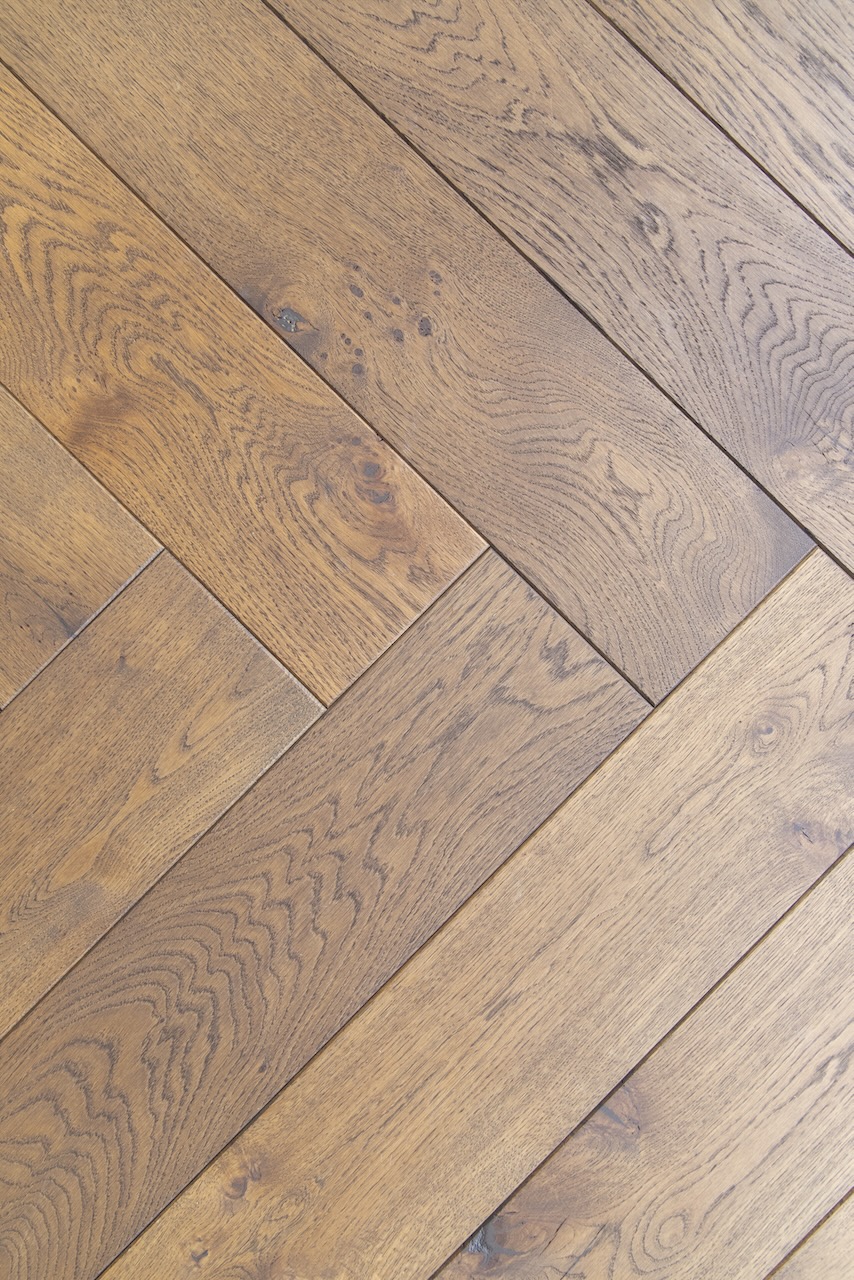
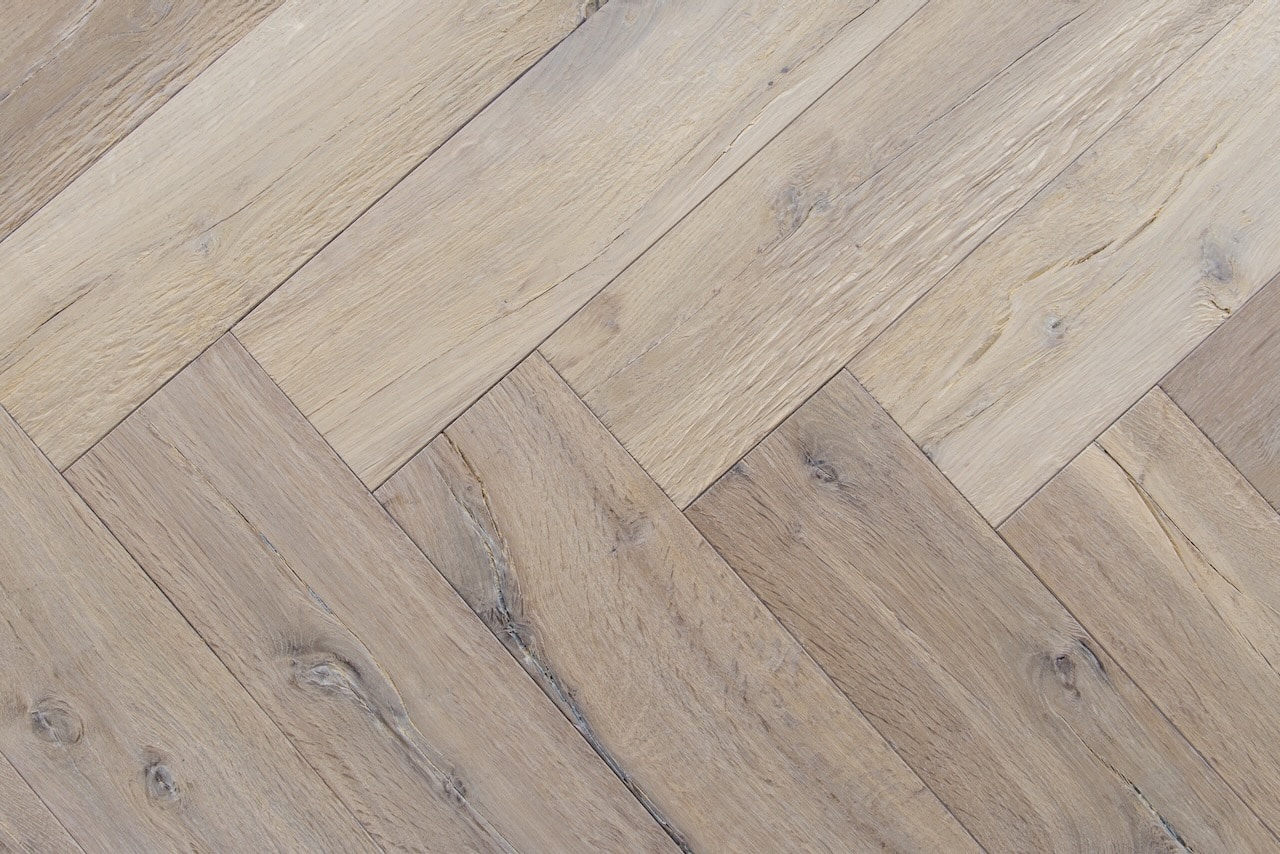
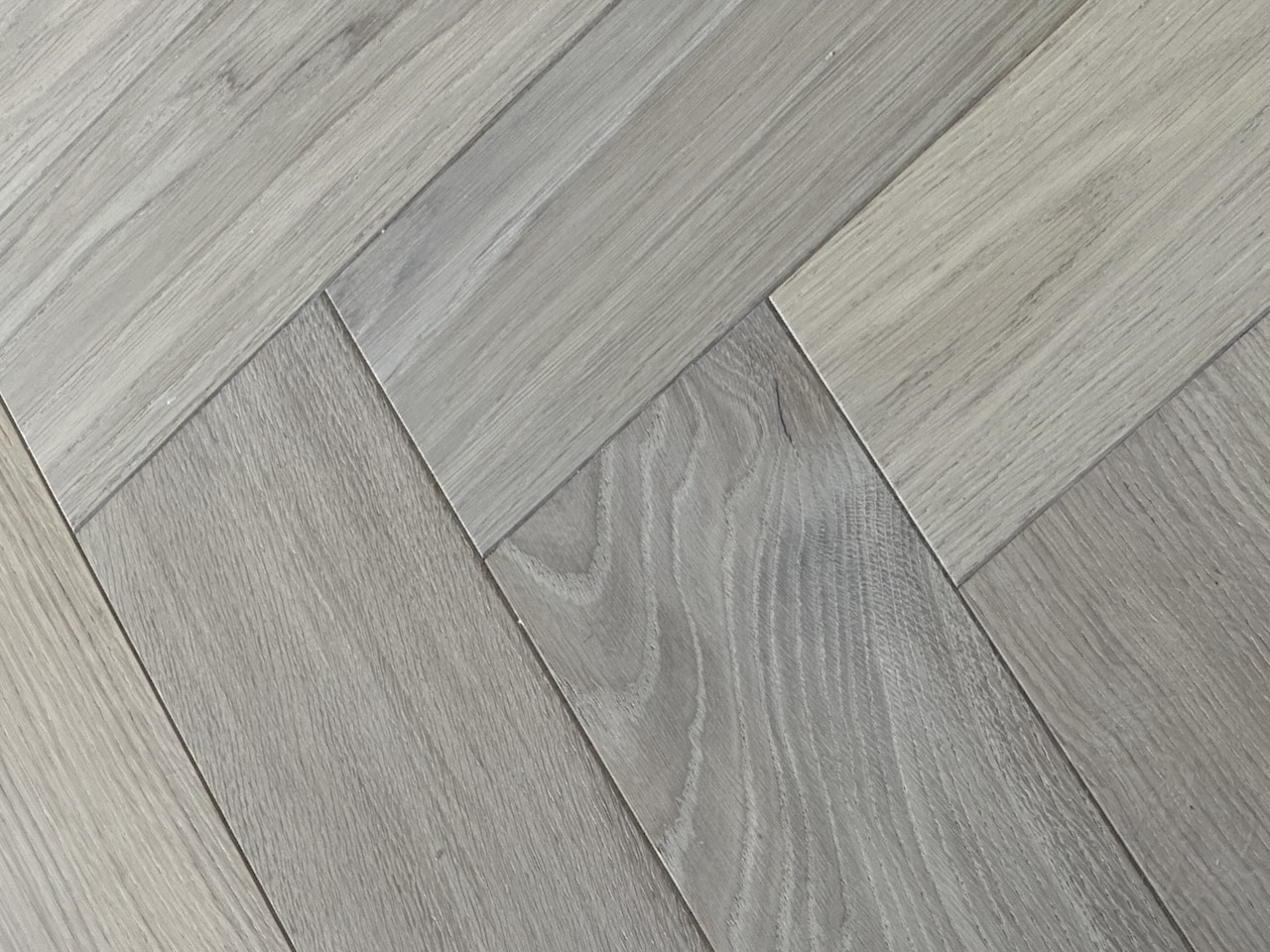
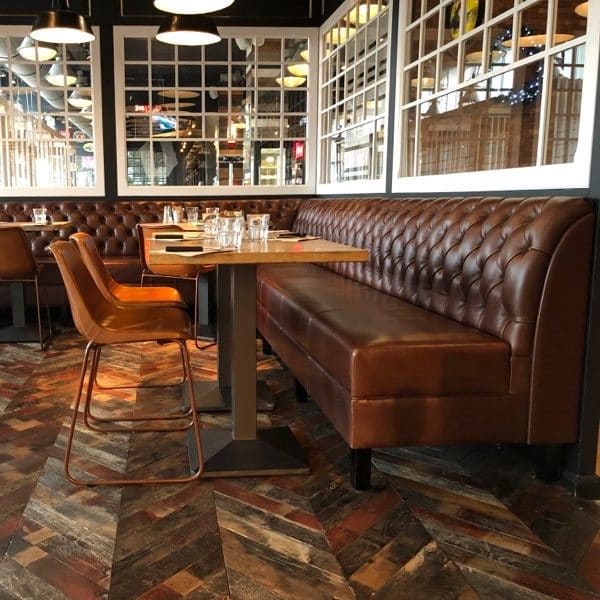
Herringbone and parquet flooring introduce structure, rhythm, and proportion to a space. These patterned timber floors have been used for centuries in European architecture, valued for both their visual order and long-term durability.
This page is designed to help you compare herringbone and parquet timber flooring options. Browse by pattern, colour, and finish, then select a product to view board dimensions, construction details, and suitability for your project.
Choosing between herringbone, chevron, and parquet
- Herringbone: A staggered pattern that creates movement and works well in both modern and classic interiors.
- Chevron: A continuous V-shape with a more formal, directional look.
- Parquet panels: Repeating geometric patterns that suit feature spaces and heritage-inspired homes.
All patterns below are engineered for stability and precision, with finishes matched to plank flooring for visual consistency.
Select a product below to view pattern dimensions, finishes, and technical specifications.


Related timber flooring styles
Herringbone flooring NZ — what to specify and how it differs from chevron
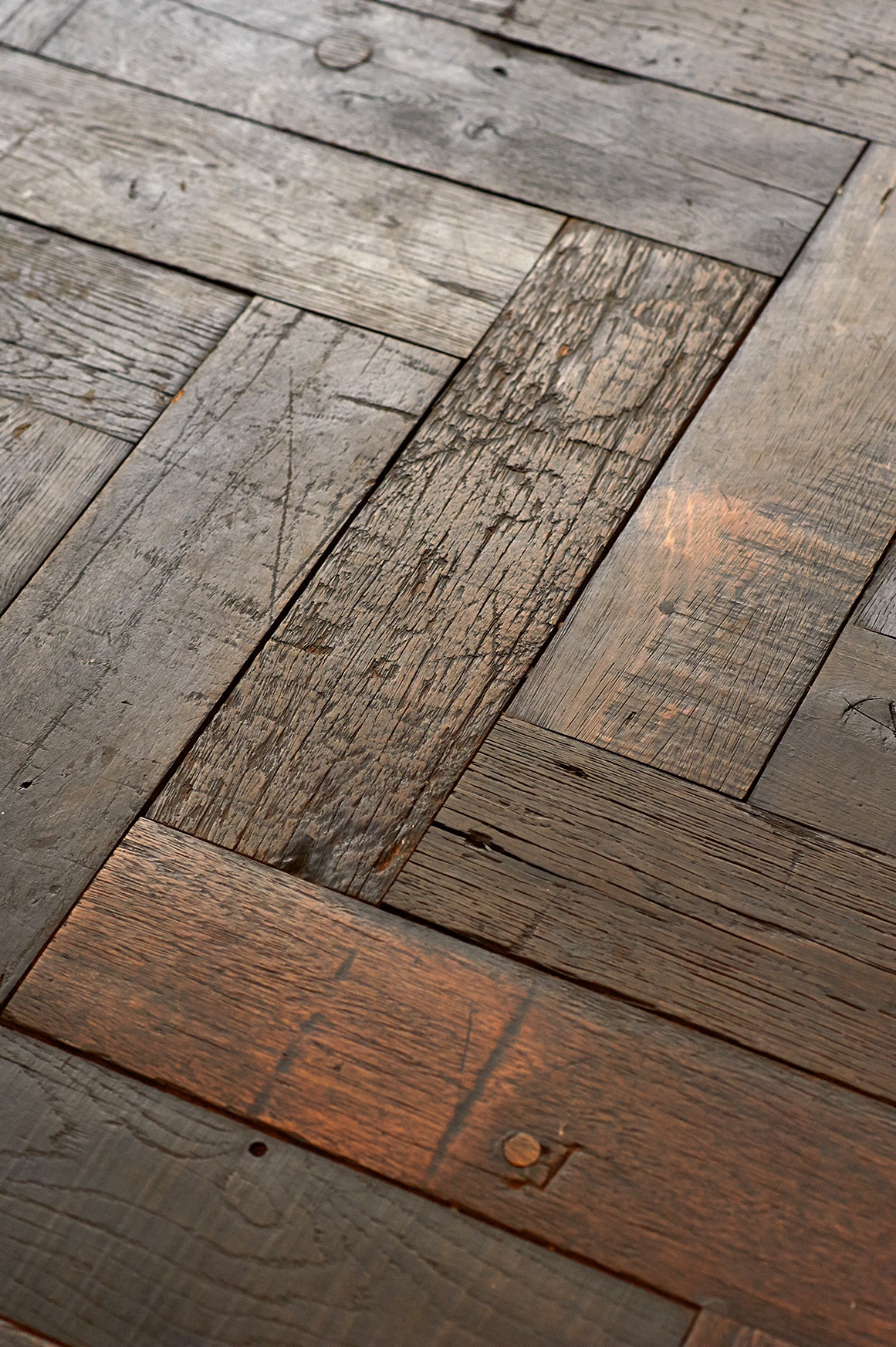
Herringbone parquet is one of the most enduring patterns in timber flooring. Originating in 16th-century European architecture and revived continuously since, it remains the default specification for designers wanting a floor that reads as both classic and considered. Vienna Woods supplies engineered European oak herringbone across a full range of plank widths, finishes, and colour archetypes — from accessible entry-level through to slow-grown Austrian premium.
Engineered herringbone vs solid herringbone
For NZ residential and commercial projects we exclusively supply engineered European oak herringbone. The visible top surface is a 4mm real oak wear layer, identical in look and feel to solid timber. Underneath, the multi-layer plywood core gives the dimensional stability that herringbone in particular needs — the cross-grain joins in a herringbone pattern are more sensitive to humidity movement than straight-plank, so engineered construction is the more reliable choice in NZ’s climate variation.
Pattern variations: single, double, French herringbone
Standard (single) herringbone is the most common — single blocks alternating direction. Double herringbone uses paired blocks for a slightly bolder pattern. French herringbone is a hybrid where the blocks are mitre-cut to meet at a 45° point, similar to chevron but retaining the herringbone weave. We can supply all three configurations on request, with the standard single herringbone the most cost-effective and widely available option.
Plank sizes and proportions
Herringbone block sizes are typically given as length × width. Common sizes in our range: 600 × 120 mm, 750 × 150 mm, and 900 × 150 mm. The longer-and-wider blocks suit larger rooms (open-plan living, formal halls) where the pattern needs scale to read; smaller blocks suit compact spaces like entry vestibules and powder rooms. Match block size to room scale rather than personal preference for the cleanest result.
Installation: glue-down only
Herringbone parquet should always be glued directly to the subfloor. Floating-floor herringbone is not a recommended specification — the cross-pattern joins move differently to the field, and a floating system can’t accommodate that movement reliably. Subfloor must meet the standard tolerances: within 3mm over a 3m straightedge, moisture content tested before installation. See our timber flooring cost guide for full installation pricing.
Where herringbone works best
Entry halls, dining rooms, formal living areas, hospitality fit-outs, retail spaces, and any room where the floor is intended as a design statement. Herringbone also visually expands smaller rooms by drawing the eye outward to the corners. For large open-plan kitchen-living rooms, wide-plank straight-lay often suits better — but herringbone in a defined zone (a dining alcove, a kitchen island under-foot) can be a striking feature.
Related guides
Herringbone flooring FAQ
Common questions about specifying engineered European oak herringbone for residential and commercial projects.
What is herringbone parquet flooring?
Herringbone parquet is a classic floor pattern made from rectangular timber blocks laid in a staggered zig-zag, where each block is rotated 90° to its neighbours. The result is a continuous V-shaped weave across the floor. Vienna Woods supplies engineered European oak herringbone in a range of plank sizes, finishes, and colour archetypes — the same wear layer and core construction as straight-plank flooring, simply pre-cut to herringbone-format blocks.
What's the difference between herringbone and chevron flooring?
In herringbone, each block is laid square-edged at 90° to its neighbour, creating an interlocking V at the join. In chevron, each block is mitre-cut at a 45° angle so the V points cleanly along a single straight line — a more formal, directional pattern. Chevron typically costs around 25% more than herringbone in supply because of the extra cutting waste, plus the installation premium for the precise angle work.
How much does herringbone flooring cost in NZ?
Herringbone supply runs in the same per-square-metre range as our straight-plank engineered oak — typically $150–$320/m² depending on collection. Installation is the additional cost: herringbone runs $120–$150/m² +GST (vs ~$85/m² for straight-lay glue-down), plus 15% wastage allowance for the cuts. All-up installed herringbone usually lands around $300–$450/m². See our timber flooring cost guide for full pricing across formats.
Can herringbone flooring be installed over underfloor heating?
Yes. Engineered herringbone is dimensionally stable and works well over underfloor heating, glued directly to the screed. Keep heating ramp-up below 1°C per day, don’t exceed 27°C surface temperature, and acclimatise the timber on site for 5–7 days before installation. Glue-down installation gives better thermal contact than floating, which is why it’s the standard for any UFH project.
What rooms suit herringbone parquet flooring?
Herringbone reads as a more formal, design-led pattern than straight-lay. It suits entry halls, formal living rooms, dining rooms, and feature spaces where the floor is part of the design statement. It also works well in smaller rooms where the diagonal lines visually expand the space. For open-plan kitchen-living areas, wide-plank straight-lay is often a better choice — but herringbone in a defined kitchen alcove can work beautifully.
Can engineered herringbone flooring be sanded and refinished?
Yes. Our engineered European oak comes with a 4mm wear layer as standard, which supports at least one full sand-and-refinish over the floor’s life. The herringbone pattern can be sanded just like straight-plank — though the sander operator needs more skill to avoid cross-grain marks where the block directions change. Lacquered finishes can be re-coated via screen-and-coat every 7–15 years; oiled finishes can be spot-repaired without sanding.
How long does herringbone flooring take to install?
Herringbone takes roughly 50% longer to install than straight-plank because each block is hand-laid and aligned individually. A typical 30m² living room takes 3–4 days for an experienced installer, vs 1.5–2 days for the same area in straight-lay. Subfloor preparation and acclimatisation timeframes are the same. Plan the project programme accordingly — the install premium reflects this slower work rate.
Does herringbone flooring make a room look smaller or larger?
Larger, in most cases. The diagonal lines of the herringbone pattern draw the eye outward to the corners of the room, expanding the perceived space — which is why it’s often specified in smaller formal rooms (entries, dining rooms) where space visual cues matter. The pattern also works in larger rooms but loses some of its visual-expansion effect; in those settings the choice is more about style than spatial trick.
For broader timber-flooring questions, see our full timber flooring FAQ. To see and feel the boards, request samples and a quote or book a showroom consultation.