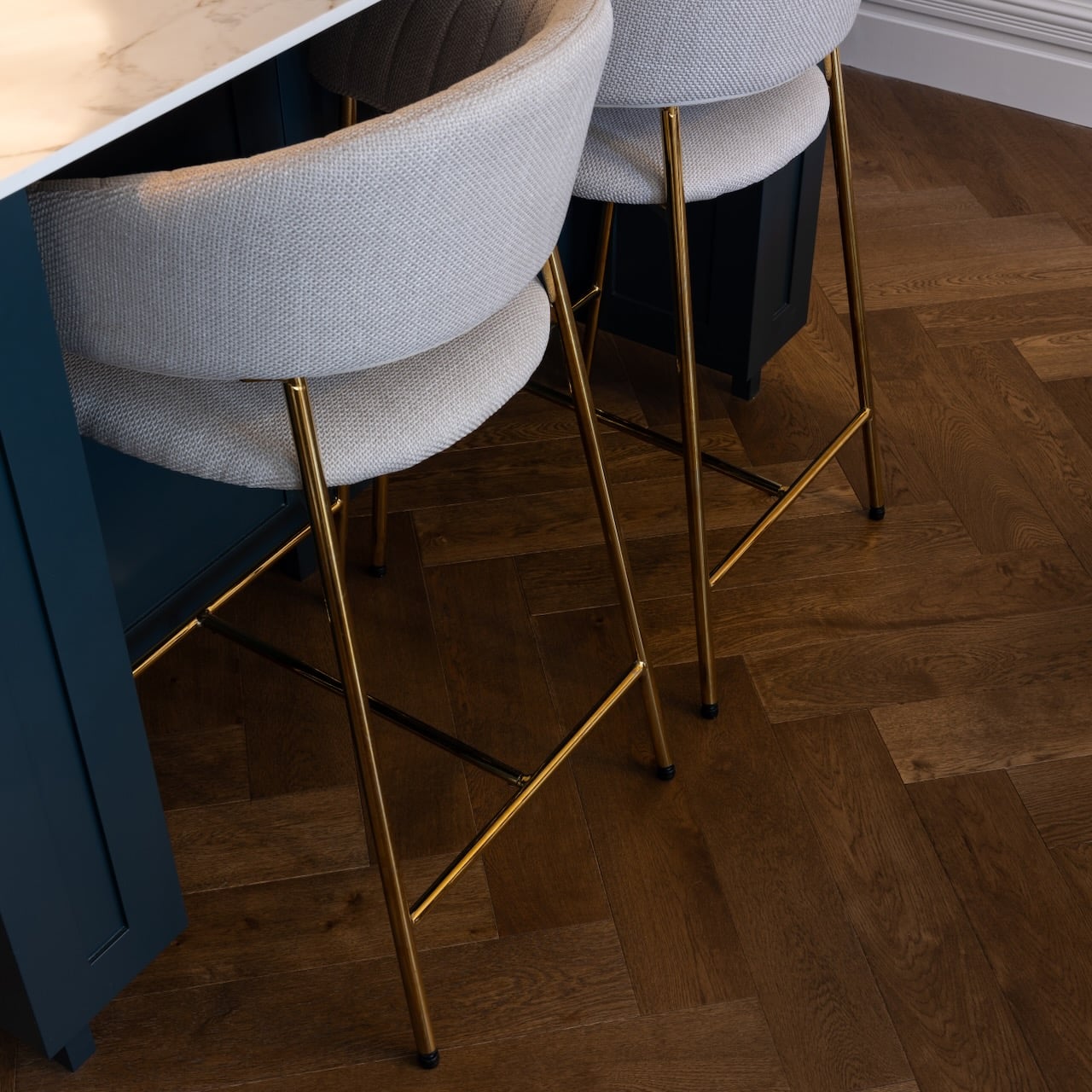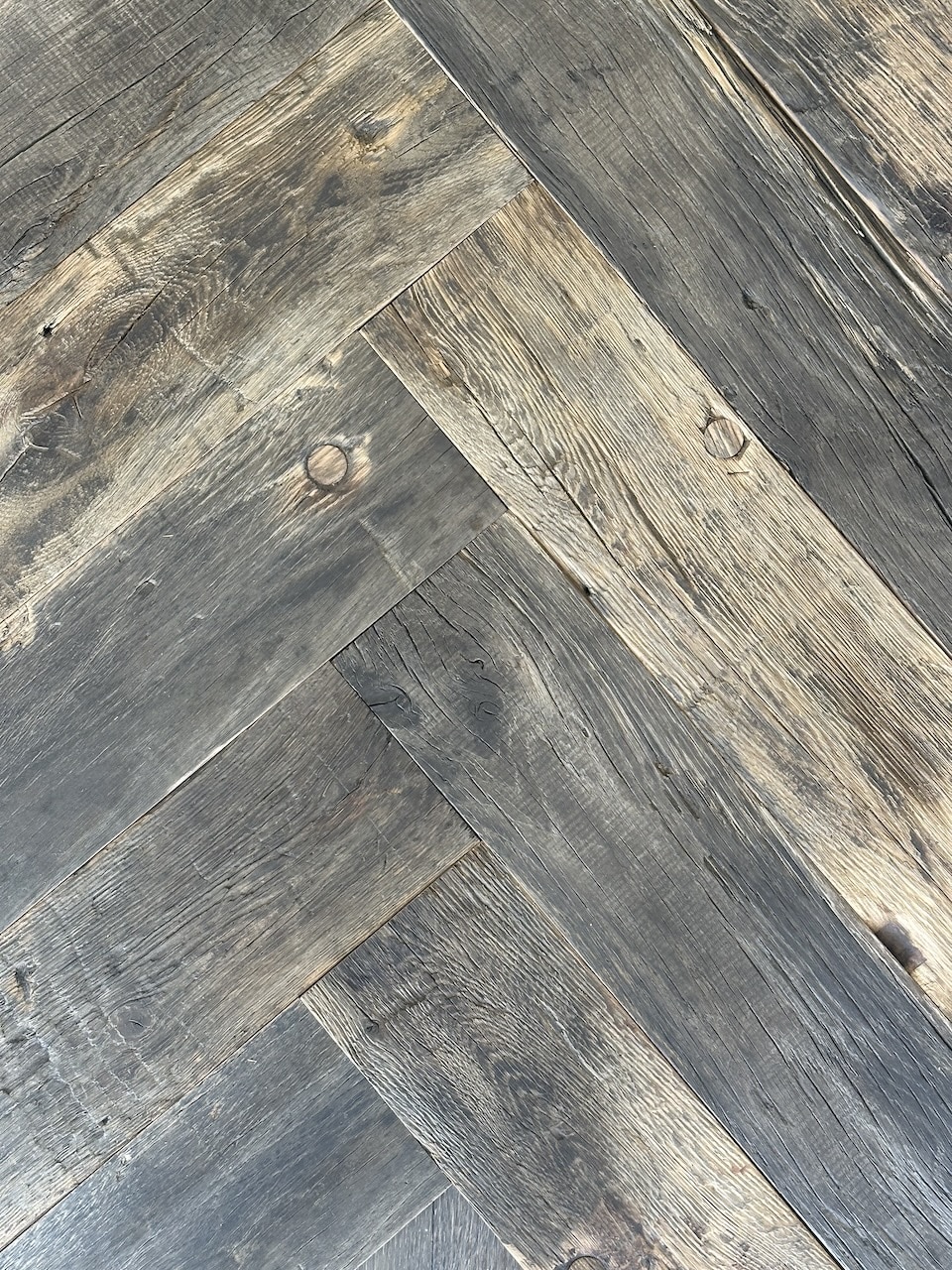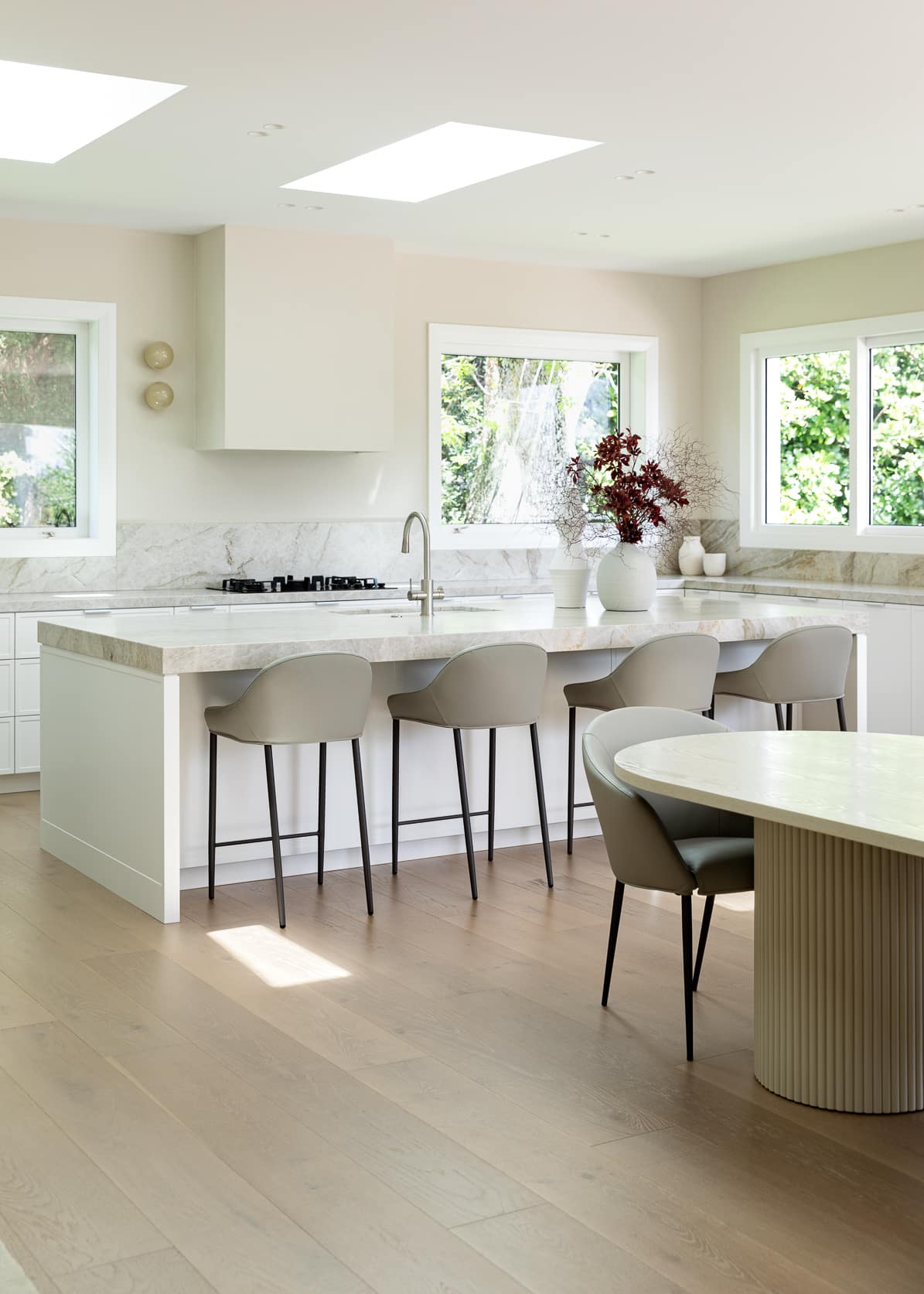
Oiled vs Lacquered Timber Flooring NZ

Oiled vs Lacquered Timber Flooring — Which Should You Choose?

A practical guide for New Zealand homes and architectural projects.

Choosing between oiled and lacquered timber flooring is one of the most important decisions when selecting a timber flooring system. Each finish influences how the floor looks, performs, and is maintained over time, and the right choice depends on how the space will be used.

This guide outlines the key differences between oiled and lacquered finishes, including appearance, durability, maintenance, and long-term performance, to help determine which option is best suited to your project.

What is an Oiled Timber Floor?

An oiled timber floor is finished using natural or UV-cured oils that penetrate into the wood rather than forming a surface coating. This enhances the natural grain and texture of the timber, resulting in a matte, low-sheen appearance with greater depth and variation.

Oiled floors remain breathable and can be maintained over time through re-oiling. This allows localised repairs without the need to refinish the entire floor.

Key characteristics:

  • Natural, low-sheen appearance
  • Enhanced grain definition and texture
  • Can be spot-repaired and refreshed
  • Requires periodic maintenance oiling

What is a Lacquered Timber Floor?

Lacquered timber flooring is finished with a protective coating that sits on the surface of the wood. Modern lacquer systems, including ultra matt finishes, can closely replicate the appearance of natural timber while providing a higher level of surface protection.

Lacquered floors are generally easier to maintain day-to-day and offer increased resistance to staining and wear, making them well suited to high-traffic areas.

Key characteristics:

  • Protective surface coating
  • Lower ongoing maintenance
  • More resistant to wear and staining
  • Requires full refinishing if heavily worn

Appearance — Natural vs Refined

Oiled floors present a softer, more natural aesthetic, with greater variation and depth visible in the timber. Lacquered floors offer a more consistent and controlled appearance, particularly when using modern ultra matt finishes that minimise surface sheen.

The choice between the two often comes down to whether the design intent prioritises a natural, evolving surface or a more uniform and stable visual outcome.

Durability and Performance

Lacquered finishes provide a higher level of initial surface protection and are generally more resistant to spills, staining, and abrasion. This makes them well suited to busy households and commercial environments.

Oiled floors, while less resistant to surface wear, can be maintained and restored more easily over time. Rather than sanding the entire floor, worn areas can be re-oiled as needed.

Both systems perform well in engineered timber flooring, but their long-term behaviour differs depending on how the surface is maintained.

Maintenance and Long-Term Cost

Oiled timber flooring requires periodic maintenance oiling to maintain its appearance and protective qualities. Suitable maintenance products can be found in our timber floor care range.

Lacquered flooring requires minimal ongoing maintenance in the early years. However, once the surface coating wears down, restoration typically involves sanding and refinishing the entire floor.

In practice, oiled floors involve more frequent, lower-cost maintenance, while lacquered floors involve less frequent but more intensive refinishing over time.

Oiled vs Lacquered Timber Flooring — Key Differences

Feature Oiled Flooring Lacquered Flooring
Appearance Natural, matte, enhanced grain More consistent, controlled finish
Surface Penetrates the timber Protective coating on surface
Maintenance Requires periodic re-oiling Low maintenance day-to-day
Repair Can be spot repaired Typically requires full refinishing
Durability Lower surface resistance Higher resistance to wear and staining

Which Option is Better?

The right choice depends on how the floor will be used, the level of wear expected, and how you prefer to maintain it over time.

  • Oiled flooring is well suited to projects where a natural appearance is prioritised and ongoing maintenance is acceptable. It allows for localised repair and gradual ageing of the surface.
  • Lacquered flooring is better suited to spaces requiring lower day-to-day maintenance and higher resistance to wear, particularly in busy residential or commercial environments.

Both finishes are widely used in engineered European oak flooring, and the decision is typically based on maintenance preference rather than performance alone.

Related Flooring Options

For further guidance on timber flooring formats, finishes, and surface textures, refer to our
Timber Flooring Styles, Finishes & Textures guide.

You can also view our engineered timber flooring collections to compare available finishes across different ranges:

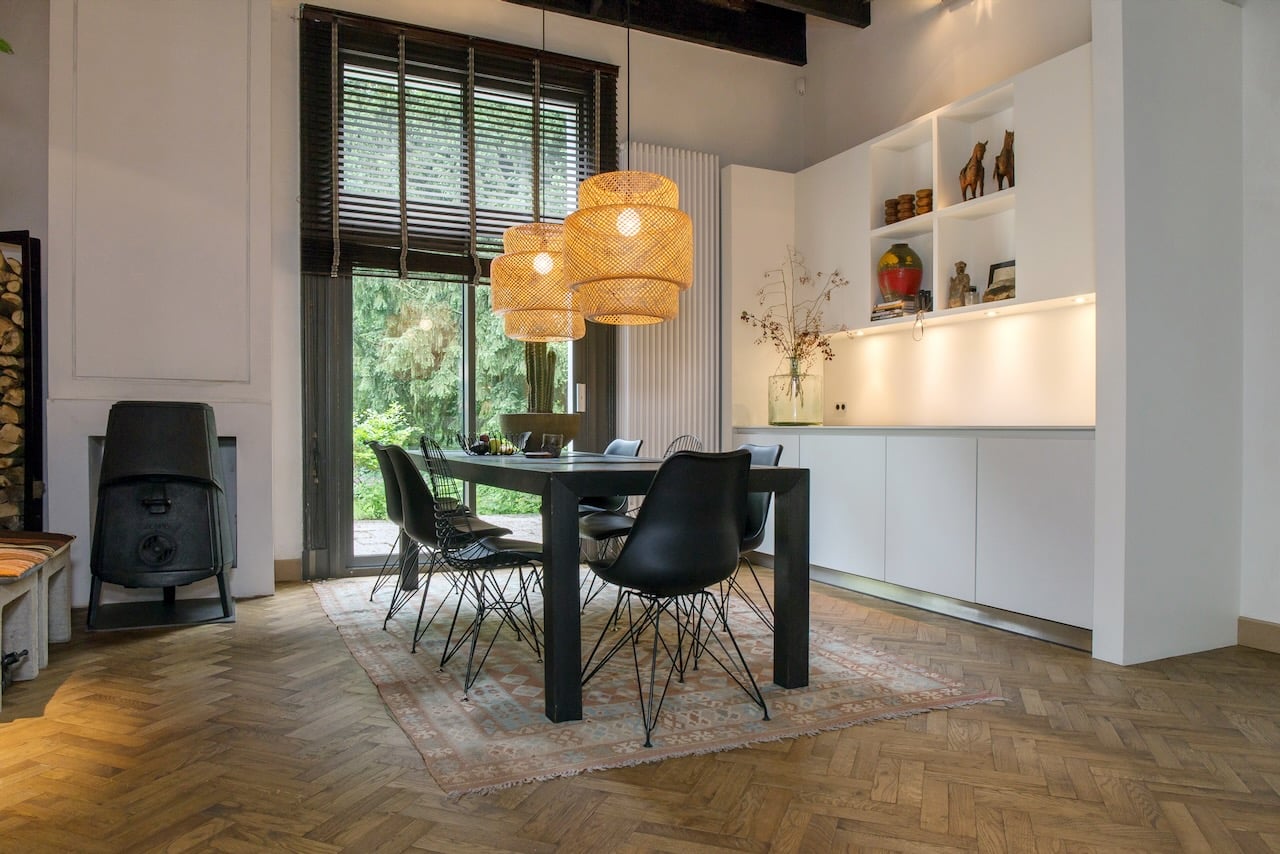
Architectural home featuring Vienna Woods Oak timber floor oiled

Why Size Counts in Timber Flooring

Vienna Woods: Prioritising Quality and Aesthetics

At Vienna Woods, we uphold a strict standard: none of our engineered timber flooring products contain more than 17% short boards. Many of our collections, such as the Foundation Collection and Distilled Collection, feature fixed lengths, ensuring no short boards at all.

This commitment contrasts with the industry norm, where short board content is usually 25% or even 33% (and sometimes more). Excessive short boards can disrupt the visual harmony of a floor, especially in open-plan spaces.

grey brown wood flooring in hallway

The Rationale Behind Short Boards

Manufacturers include short boards for several reasons:

  • Maximising Timber Yield: Utilising shorter lengths reduces waste during production.

  • Cost Efficiency: Short boards are less expensive to produce and transport.

  • Installation Flexibility: Shorter boards can be useful in smaller spaces or for starting rows.

However, overuse of short boards can compromise the floor’s aesthetics and integrity. 

Dark rich Oak flooring long lengths in open lounge dining and kitchen

The Impact of Excessive Short Boards

Aesthetic Disruption

A high percentage of short boards can lead to a fragmented appearance, breaking the continuity of the wood grain and making spaces feel cluttered.

Increased Head Joints

More short boards mean more joints, which can be visually distracting and may affect the floor’s stability over time.

Installation Challenges

Incorporating numerous short boards can complicate the installation process, potentially leading to increased labour costs and material wastage.

The Advantage of Longer Boards

Longer boards offer several benefits:

  • Enhanced Visual Flow: They create a seamless look, ideal for open-plan designs.

  • Reduced Joint Visibility: Fewer joints mean a cleaner appearance.

  • Reduced Waste/ Cost: Long boards can provide more efficient consumption of material without compromising on aesthetics.

Vienna Woods’ Commitment to Excellence

Our dedication to quality is evident in our product offerings:

  • Foundation Collection: Features fixed-length boards for a uniform look.

  • Distilled Collection: Offers premium, European-made, long-length boards with distinctive finishes.

  • Icons Collection: Showcases unique designs with longer lengths and strictly controlled short board content.

  • Petit Chateau:  Shows that even cost-effective solutions can still offer quality where it counts (not more than 17% shorts).
  • Chateau Collection:  Extra wide and long planks with interesting stain options and no more than 17% shorts.
  • Admonter:  One of the best engineered flooring manufacturers in the world, Admonter offers strictly fixed lengths only.
Long and wide natural oak wood flooring planks in open lounge

Key Considerations When Selecting Timber Flooring

When evaluating timber flooring options, consider the following:

  1. Short Board Percentage: Aim for products with less than 17% short boards.

  2. Board Lengths: Consider appropriate plank size for the length of your space.

  3. Fixed-Length Options: If it fits with your budget, pt for collections offering fixed-length boards for consistency.

  4. Manufacturer Standards: Choose suppliers adhering to recognised quality standards.

Board length isn’t just a technical detail—it’s a design decision that affects the feel, flow, and finish of every space. Whether you’re specifying for a high-end residential project or curating textures for a commercial interior, understanding how short boards impact the outcome gives you a sharper edge. At Vienna Woods, we’re always happy to talk shop. If you’re navigating flooring choices for a project, or just want to understand the finer details of what sets premium engineered timber apart, we’d love to hear from you.

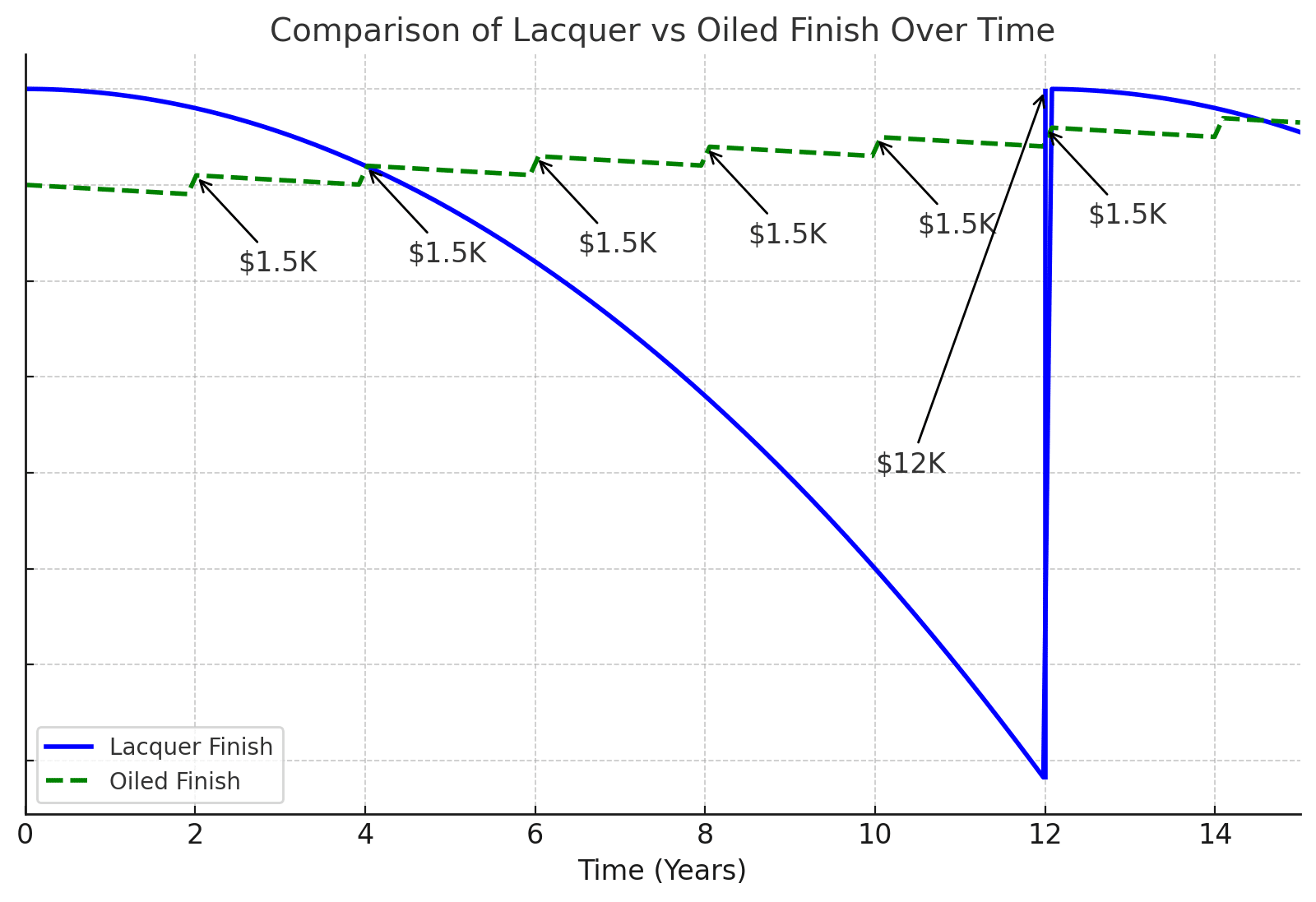
Timber Floor Maintenance Cost NZ — Oiled vs Lacquered Flooring Over Time

Timber Floor Maintenance Cost NZ — What to Expect Over Time

The long-term cost of timber flooring is influenced less by the initial installation and more by how the floor is maintained over time. Different finishing systems require different maintenance approaches, which can significantly affect both cost and disruption across the lifespan of the floor.

This guide outlines the typical maintenance requirements and costs associated with engineered timber flooring in New Zealand, including how oil and lacquer finishes differ in terms of upkeep.

What Affects Timber Floor Maintenance Cost?

The cost of maintaining a timber floor depends on several factors, including the size of the area, level of foot traffic, type of finish, and whether maintenance is carried out professionally or by the homeowner.

  • Floor area (e.g. 80m² typical NZ home)
  • Foot traffic and wear patterns
  • Type of finish (oil vs lacquer)
  • Maintenance frequency
  • Professional vs DIY maintenance

Maintenance Cost — Oiled Timber Floors

Oiled timber floors require periodic re-oiling to maintain their protective qualities and appearance. This is typically carried out every 1 to 3 years depending on use.

For a typical 80m² floor area in New Zealand:

  • Professional maintenance oil: approximately $1,500 – $2,500 per application
  • DIY maintenance: significantly lower cost using appropriate products

Maintenance products for oiled floors are widely available and allow ongoing upkeep without full refinishing. Suitable options can be found in our timber floor care range.

The advantage of oiled flooring is that maintenance can be carried out in sections and does not require full sanding of the floor.

Maintenance Cost — Lacquered Timber Floors

Lacquered floors generally require minimal maintenance in the early years, but once the surface coating wears down, restoration typically involves sanding and refinishing the entire floor.

For a typical 80m² floor area:

  • Full sand and recoat: approximately $8,000 – $15,000 depending on specification

This process is more disruptive and typically requires furniture removal and temporary relocation during the work.

Short-Term vs Long-Term Cost

Oiled and lacquered floors differ in how maintenance costs are distributed over time.

  • Oiled floors: lower-cost, more frequent maintenance
  • Lacquered floors: minimal early maintenance, higher long-term refinishing cost

Which Option is More Cost Effective?

There is no single answer, as the most cost-effective option depends on how the floor is used and maintained over time.

  • Oiled floors allow for ongoing, lower-cost maintenance that can be carried out in stages, reducing disruption.
  • Lacquered floors typically require minimal maintenance initially, but involve higher-cost refinishing when the coating wears down.

Understanding this difference is important when selecting a flooring system, particularly for long-term residential use.

For a full comparison of performance, appearance, and maintenance considerations, refer to our
Oiled vs Lacquered Timber Flooring guide.

Summary — Understanding Long-Term Timber Flooring Costs

The cost of maintaining a timber floor is not a single event, but a series of decisions made over time. Oiled and lacquered finishes distribute cost differently, and understanding this helps avoid unexpected expenses later.

  • Oiled floors involve lower-cost, ongoing maintenance that can be carried out in stages.
  • Lacquered floors require minimal early maintenance, but higher-cost refinishing when the coating wears down.

Both systems are widely used in engineered timber flooring, and the most suitable option depends on how the floor will be used and maintained over its lifespan.

Further Timber Flooring Guidance

Graph showing the maintenance lifecycle of timber floors in comparison oiling wood floors vs sanding and refinishing lacquered timber floors

How to Identify High-Quality Timber Flooring

Choosing the right timber flooring for your space is a significant decision that requires careful consideration of various factors. High-quality timber flooring not only enhances the aesthetic appeal of your home but also provides durability and long-term value. In this guide, we will explore the essential elements to consider when selecting timber flooring, focusing on factors such as the country of origin, thickness of the lamella, overall thickness, dimensions, finishing processes, timber grading, certifications, and warranties. Understanding these aspects will help you make an informed decision and ensure that your investment stands the test of time.

Country of Origin

The country of origin is a critical factor in determining the quality of timber flooring. Timber sourced from countries with stringent forestry practices, such as France, Germany, and Austria, is known for its superior quality. For example, French oak is valued for its tight grain, large amount of grain movement and consistent colour, making it a popular choice for both modern and traditional interiors. Timber from these regions is often harvested sustainably, ensuring that the wood is mature and robust. Choosing timber from countries with less rigorous standards may result in lower quality flooring, which can affect its durability and appearance over time.

Thickness of Lamella

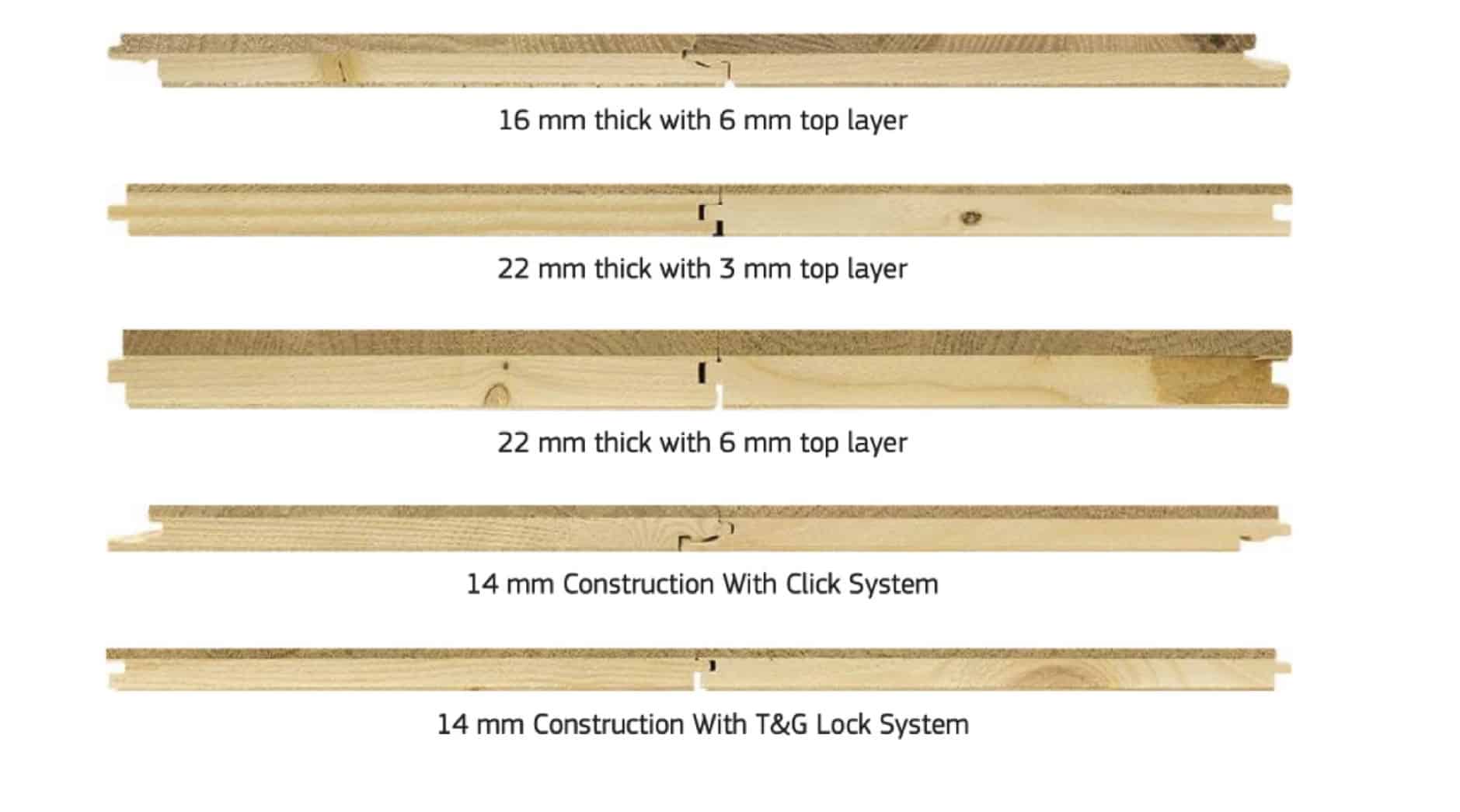
The lamella refers to the top layer of engineered timber flooring, which is typically made from hardwood. A thicker lamella, ideally between 3mm to 6mm, is crucial for the floor’s longevity. A thicker top layer allows for multiple sandings and refinishes, extending the floor’s lifespan significantly. For instance, a 4mm lamella can be sanded up to three times, ensuring that your floor maintains its appearance for decades. In contrast, a thinner lamella may limit the number of refinishes, reducing the flooring’s overall durability.

Overall Thickness

The overall thickness of engineered timber flooring plays a significant role in its stability and durability. Floors with a thickness of 14mm to 20mm are more resistant to changes in temperature and humidity, making them ideal for the New Zealand climate. Thicker flooring provides better insulation and soundproofing, offering a more solid feel underfoot. Additionally, it contributes to the structural integrity of the floor, reducing the risk of warping or bending over time.

Engineered timber floor types cross-section

Width and Length

The width and length of timber planks can greatly impact the overall look and feel of your flooring. Wider planks, ranging from 180mm to 300mm, create a sense of space and luxury, while longer planks reduce the number of visible joints, offering a seamless appearance. However, it is essential to ensure that these planks are well-milled and stable, as longer lengths can be more prone to warping if not properly manufactured.

Lacquer Curing Process and Lacquer Used

The lacquer curing process is crucial in determining the durability and maintenance needs of your timber flooring. High-quality lacquers, such as those cured using UV or LED technologies, provide a strong, wear-resistant surface that protects the wood from daily wear and tear. The process involves applying multiple layers of lacquer, each cured under UV light, which hardens the finish and enhances the wood’s natural beauty. The type of lacquer used, whether water-based or solvent-based, also affects the floor’s appearance and performance. Water-based lacquers are generally more environmentally friendly, emitting fewer volatile organic compounds (VOCs) and improving indoor air quality.

Oil Used and Oil Curing Process

Oiled finishes offer a more natural look and feel, enhancing the wood’s grain and texture. The type of oil used and the curing process significantly impact the floor’s durability and maintenance. High-quality oils, like hardwax oil, penetrate deeply into the wood, offering protection from within. The curing process may take several days, but the result is a beautiful, easy-to-maintain floor. Regular oil reapplication is necessary to keep the floor in top condition, but this also allows for spot repairs without the need to refinish the entire floor.

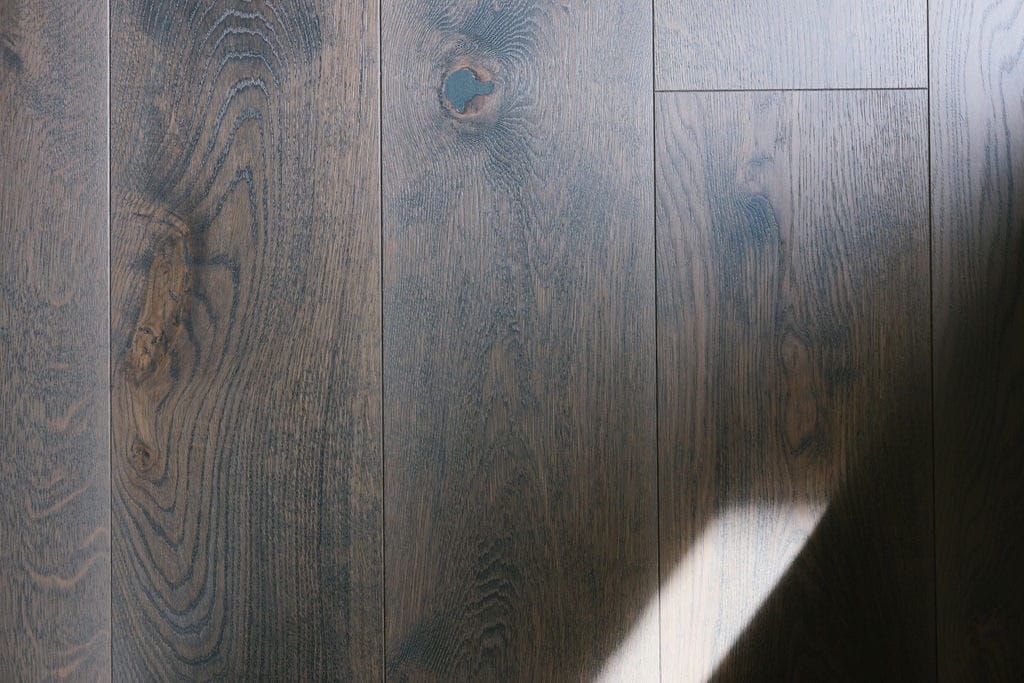
close up of dark brown oiled wood floor

Timber Grading

Timber grading refers to the visual characteristics of the wood, including colour variation, knots, and grain patterns. High-quality timber flooring typically falls into prime, select, or rustic grades. Prime grade timber has minimal knots and a uniform appearance, making it ideal for sleek, modern interiors. Select grade offers more variation, with some knots and colour differences, while rustic grade features more prominent knots and natural imperfections, giving the floor a more traditional look. Higher grades, like prime, are often more stable and less prone to movement, providing a long-lasting, high-quality finish.

Certifications

Certifications are essential for ensuring that your timber flooring meets environmental and quality standards. Look for certifications like FSC (Forest Stewardship Council) or PEFC (Programme for the Endorsement of Forest Certification), which guarantee that the timber has been sourced from responsibly managed forests. These certifications ensure that your flooring contributes to sustainable practices and has a minimal environmental impact. Additionally, certifications from independent testing bodies indicate that the flooring complies with international standards for durability, emissions, and safety.

Warranties

A comprehensive warranty is a sign of confidence in the product’s quality. High-quality timber flooring often comes with extensive warranties covering structural integrity, wear resistance, and finish durability. A warranty period of 20 to 30 years suggests that the manufacturer believes in the product’s longevity. Be sure to read the warranty details to understand what is covered, as this can also provide insights into the flooring’s expected performance.

Quality of Textural Wood Treatments

Textural treatments like bandsawing, brushing, or hand-scraping add unique character to timber flooring, enhancing its natural beauty. These treatments should be executed with precision to ensure they do not compromise the wood’s integrity. High-quality treatments will highlight the wood’s grain and natural features without weakening the plank or creating inconsistencies in the finish. Look for uniformity and craftsmanship in these treatments, as poorly executed techniques can lead to uneven wear and reduced longevity.

Additionally, these treatments usually depend on specialised processes to look authentic.  An authentically executed texture treatment will make all the difference when it somes to the look and feel of your flooring.

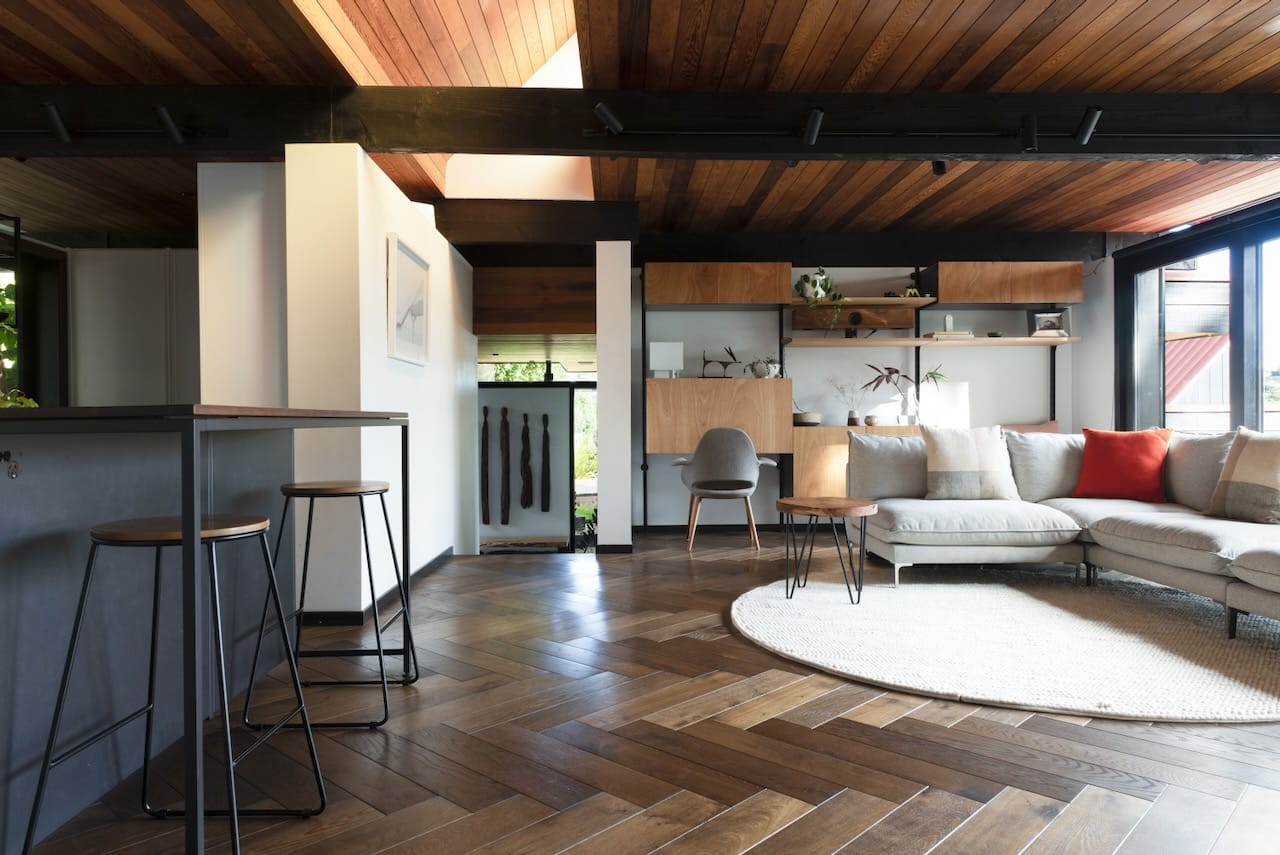
oiled herringbone timber floor in open kitchen and dining room with high ceiling

Quality Factors and how they Impact Pricing:


Factor Description Impact on Price
Country of Origin Refers to where the timber is sourced. Countries like France and Germany are known for high-quality timber. Higher quality and sustainability standards in countries like France and Germany typically result in a higher price.
Thickness of Lamella The top layer of engineered flooring, usually made of hardwood. A thicker lamella increases the price due to the ability to refinish multiple times, adding longevity and durability.
Overall Thickness Total thickness of the engineered flooring, including all layers. Thicker overall flooring generally commands a higher price due to increased stability, insulation, and durability.
Width and Length The dimensions of the planks, with wider and longer planks being more desirable. Wider and longer planks are more expensive due to the larger, high-quality timber required and the premium aesthetic.
Lacquer Curing Process The method used to harden the lacquer finish, such as UV curing. Advanced curing processes like UV or LED increase the price due to the durability and enhanced finish they provide.
Lacquer Used The type of lacquer applied, including water-based or solvent-based options. High-quality lacquers, particularly low-VOC options, are more costly due to their environmental and health benefits.
Oil Used and Curing Process The type of oil applied for finishing and how it is cured. High-quality oils and longer curing processes increase costs due to the enhanced durability and finish they provide.
Timber Grading Visual and structural characteristics such as knots and grain patterns. Higher grades (e.g., prime) are more expensive due to their uniform appearance and higher structural stability.
Certifications Environmental and quality certifications such as FSC or PEFC. Certified products typically come at a premium due to the assurance of sustainability and adherence to strict standards.
Warranties The duration and coverage of the product’s warranty. Extended warranties increase the price as they reflect the manufacturer’s confidence in the product’s longevity.
Textural Wood Treatments Processes like brushing or hand-scraping that add texture to the wood. High-quality, handcrafted textural treatments are more costly due to the labour and skill involved in achieving them.
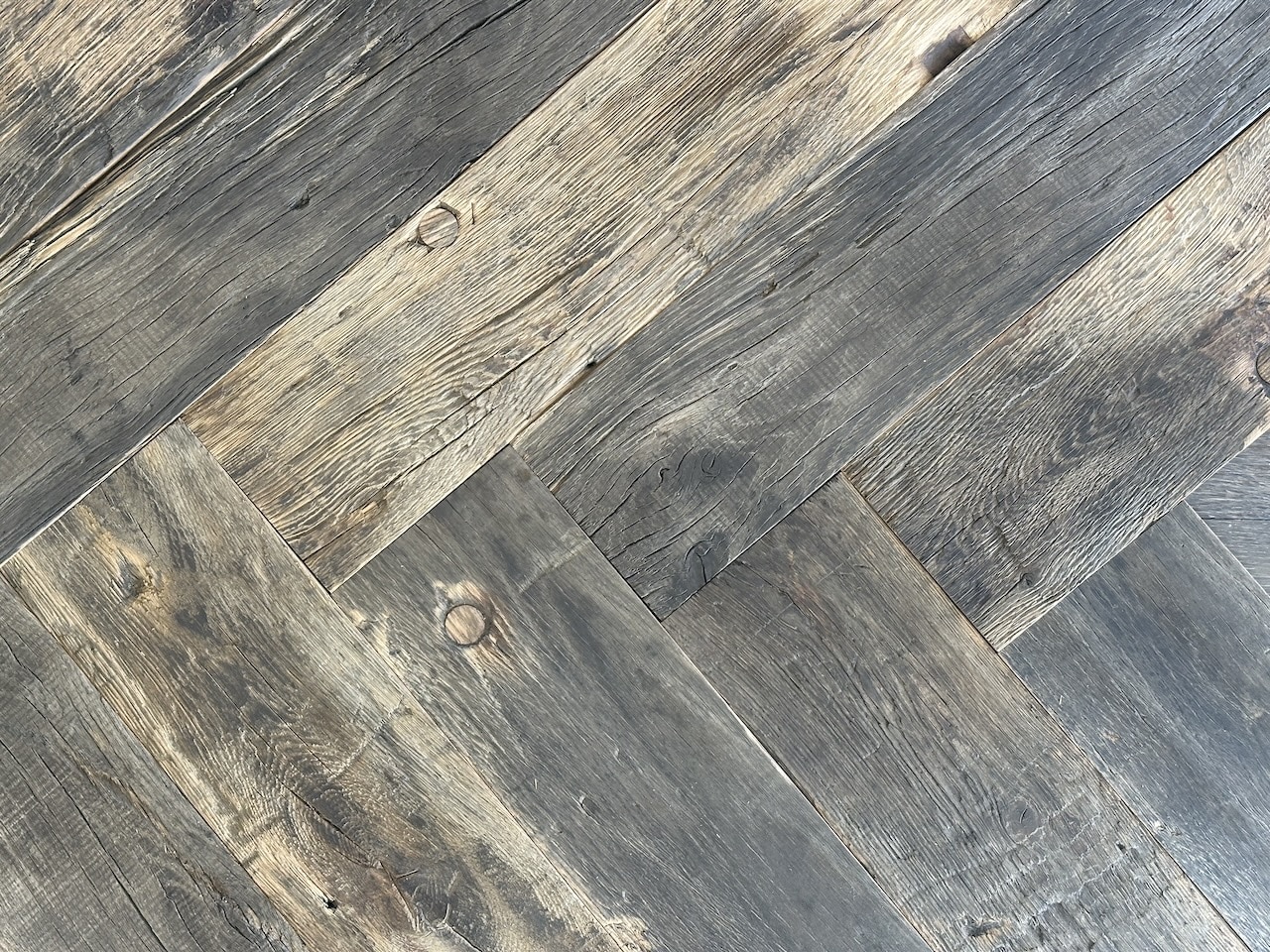
Reclaimed wood herringbone silver grey colour close up

When selecting timber flooring in Auckland or anywhere else, understanding these key factors is crucial for making an informed decision. High-quality timber flooring offers not only aesthetic appeal but also durability and long-term value. By considering the country of origin, lamella thickness, overall thickness, dimensions, finishing processes, timber grading, certifications, warranties, and textural treatments, you can ensure that you are choosing a flooring solution that will stand the test of time.

For more insights into choosing the best engineered timber flooring and hardwood floors, feel free to explore our range of high-quality products. At Vienna Woods, we are committed to providing flooring solutions that combine beauty, durability, and sustainability.

By following these guidelines, you can confidently navigate the market for timber flooring in Auckland, ensuring that your investment enhances the beauty and value of your home.

How to Know When It’s Time to Oil Your Timber Floor: A Guide to Maintaining Oiled Wood Floors

Timber floors are a timeless addition to any home, offering warmth, natural beauty, and durability. Among the various finishes available, an oiled timber floor stands out for its rich, natural appearance and the way it enhances the wood’s innate characteristics. However, to maintain this beauty and longevity, regular maintenance is key—specifically, re-oiling the surface. But how do you know when it’s time to oil your floor again?  The manufacturers advise to apply maintenance oil every 12 to 36 months, but that’s quite a broad range.  Hardwax oil tends to last longer before requiring maintenance, then there’s the oxidative and UV oils.  Some spaces are in direct sun and others get a heavy dose of wear and tear.  So how do you know when it’s time to oil your floor?

Let’s explore the signs and best practices for keeping your oiled wood floor in top condition.


1. Fading Lustre and Dull Appearance


One of the first signs that your oiled timber flooring needs attention is a noticeable loss of shine. The oil finish on your floor works by penetrating the wood and protecting it from within, giving it a natural, matte sheen. Over time, with foot traffic, exposure to sunlight, and regular cleaning, this lustre can fade. If your floor looks dull and lacks the warm glow it once had, it’s a clear indication that it’s time for a fresh coat of oil.


2. Dry or Rough Surface Texture


An oiled wood floor should feel smooth and pleasant underfoot. However, as the protective oil wears away, the surface can start to feel dry or rough, especially in high-traffic areas like hallways or living rooms. Running your hand over the surface can reveal this dryness—if it feels more like bare wood than a finished surface, it’s a sign that your floor needs re-oiling. 


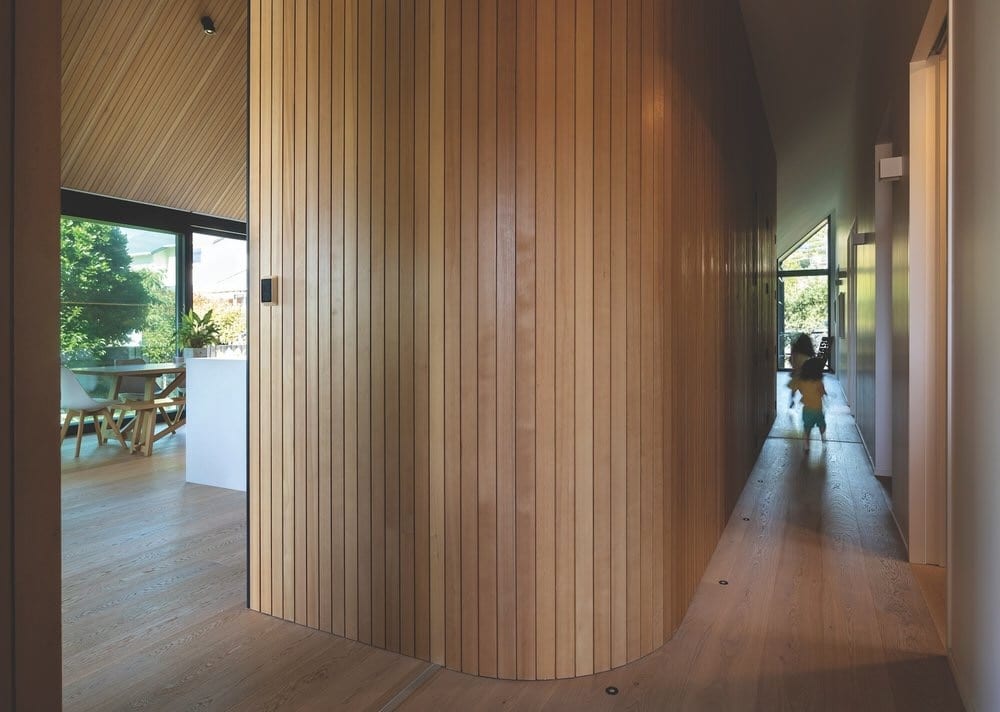
Natural oiled wood flooring and timber wall feature in Christchurch home


3. Increased Susceptibility to Stains and Water Damage


One of the critical benefits of oiled timber flooring is its ability to resist stains and moisture. The oil penetrates the wood, creating a barrier that helps to repel liquids. When this barrier begins to wear down, you might notice that your floor becomes more susceptible to stains from spills or watermarks, especially in areas like kitchens or near entryways. If you find that liquids are no longer beading on the surface and are instead soaking in, it’s time to reapply oil.


4. Visible Scratches and Scuffs


While all timber floors will eventually show signs of wear, an oiled wood floor is particularly easy to touch up. However, when you start to notice an increase in visible scratches and scuffs, especially if they’re more apparent than usual, it could indicate that the protective layer of oil is thinning. Re-oiling these areas can help minimise the appearance of scratches and extend the life of your flooring.


close up of dark brown oiled wood floor

5. Colour Fading Due to UV Exposure


Sunlight can be harsh on timber floors, causing the colour to fade over time. Oiled timber floors are no exception. While the oil provides some protection against UV rays, prolonged exposure can still lead to discolouration. If you notice that your floor has lost its rich colour or that some areas are lighter than others, re-oiling can help restore some of its original hue and protect it from further sun damage.  Tinted oils are also available and these can help rejuvenate the timber floor colour.  If you plan to use tinted oils it can be best to employ the services of a professional (contact us for more information).


oiled herringbone timber floor in open kitchen and dining room with high ceiling


6. Frequency of Cleaning


If you find yourself cleaning your floors more often, it could be a sign that they need to be re-oiled. As the oil finish wears down, dirt and dust are more likely to adhere to the surface, making it harder to keep clean. A freshly oiled timber floor not only looks better but is also easier to maintain, as the oil helps to repel dust and debris.


7. The Age of Your Floor


Finally, consider the age of your oiled wood floor. If it’s been a few years since you last oiled it, even if there are no obvious signs of wear, it might be time for a maintenance coat. Regular re-oiling helps to maintain the floor’s protective layer and ensures that it continues to look its best for years to come.

Reclaimed wood herringbone silver grey colour close up


How to Re-Oil Your Timber Floor


Once you’ve determined that it’s time to oil your floor, the next step is to follow the proper re-oiling process. Here’s a brief guide:


1.Clean the Floor Thoroughly: Start by vacuuming and mopping the floor to remove all dirt and debris. Allow it to dry completely.

2.Light Sanding (If Necessary): If your floor has deep scratches or is particularly rough, you may need to lightly sand it before applying the oil. Use fine-grit sandpaper and work in the direction of the wood grain.

3.Apply the Oil: Use a quality wood floor oil and apply it evenly using a brush, roller, or cloth. Work in sections to ensure even coverage.

4.Buff the Floor: After applying the oil, buff the floor with a soft cloth or a floor buffer to help the oil penetrate the wood and to achieve a smooth finish.

5.Allow to Dry: Let the oil dry completely before walking on the floor. This could take several hours, depending on the oil used.

6.Maintenance: To keep your oiled timber floor looking its best, regularly dust and clean it with products specifically designed for oiled wood floors. Re-oil as needed, typically every 1-2 years, depending on traffic and wear.

For a more in-depth careguide see our Oiled Floors Care Guide.

Interested in a DIY machine for cleaning and oiling wood floors?  Take a look at FirstFloor’s Orbital Machine.  It weighs just 13kg and is simple to operate.

Maintaining an oiled wood floor is an ongoing process, but the effort is well worth it. By keeping an eye out for signs like fading lustre, increased susceptibility to stains, and visible scratches, you can ensure that your oiled timber flooring remains beautiful and protected for many years. Regular re-oiling not only preserves the natural beauty of the wood but also enhances its durability, making it a valuable investment in your home’s interior.


By following these guidelines and regularly caring for your oiled wood floor, you can enjoy the timeless elegance and warmth of timber flooring for generations.

Herringbone Timber Flooring - Dark Brown - kitchen area - oiled floor

How Long Does Timber Flooring Last?

Natural Brown herringbone wood flooring pattern

When investing in timber flooring, understanding its longevity is crucial. The lifespan of your wood flooring, whether it’s solid timber, engineered flooring, or any other variety, can be influenced by a range of factors. Here, we’ll explore how long timber flooring can last and what you can do to maximise its durability.

Factors Affecting the Lifespan of Timber Flooring

1. Type of Timber Flooring

  • Solid Timber Flooring: Made from a single piece of wood, solid timber flooring is known for its exceptional durability. With proper care, it can last anywhere from 50 to 100 years, or even longer.
  • Engineered Timber Flooring: Engineered flooring, crafted from multiple layers of wood, is designed for stability and resilience. It typically lasts between 25 and 30 years but can extend to 40 years with excellent maintenance.

2. Installation Quality

  • Proper installation is key to the longevity of any timber flooring. Poorly installed floors can lead to issues like warping, gaps, and uneven wear, significantly reducing their lifespan. Ensure your flooring is installed by professionals who understand the intricacies of timber and wood flooring.

3. Maintenance Routine

  • Regular maintenance is essential for keeping your timber flooring in top condition. This includes sweeping or vacuuming to remove dirt and grit, using appropriate cleaners, and avoiding excessive moisture. Re-oiling or refinishing your floors every few years can also prolong their life, particularly for engineered flooring.

4. Environmental Factors

  • The environment where your timber flooring is installed plays a significant role in its durability. High humidity, excessive dryness, or fluctuating temperatures can cause wood to expand, contract, or warp. Maintaining a stable environment within your home will help preserve the integrity of your wood flooring.
Wagon Herringbone reclaimed grey wood floor solid

Extending the Life of Your Timber Flooring

To ensure your timber flooring stands the test of time, follow these tips:

  • Use Protective Measures: Place mats at entrances to catch dirt and debris before it reaches your floors. Felt pads under furniture can prevent scratches.
  • Regular Cleaning: Dust and dirt can act like sandpaper on your floors, leading to scratches and wear. Regular cleaning is vital.
  • Immediate Spill Management: Wipe up spills immediately to prevent moisture damage, especially on engineered flooring.
  • Professional Maintenance: Periodically, hire professionals to refinish or re-oil your floors. This not only restores their appearance but also adds a protective layer against wear and tear.

The Lifespan of Different Timber Flooring Types

  • Solid Timber Flooring: With the potential to last over a century, solid timber is a long-term investment. It can be sanded and refinished multiple times, which can restore its original beauty even after decades of use.
  • Engineered Timber Flooring: While engineered wood flooring doesn’t last as long as solid timber, its design makes it more resistant to changes in humidity and temperature, which is ideal for areas prone to such fluctuations. It offers a great balance between longevity and practicality.

Timber flooring is a timeless choice that, with proper care, can serve you well for decades. Whether you opt for solid timber or engineered flooring, the key to extending the life of your wood flooring lies in proper installation, routine maintenance, and a stable environment. By following these guidelines, you can ensure your floors remain beautiful and durable for years to come.

If you’re considering timber flooring for your home, or if you need advice on maintaining your existing floors, feel free to contact us at Vienna Woods. We specialise in providing high-quality wood flooring solutions tailored to your needs.

French OAk calming open kitchen Space