Wood Cutting Techniques; What is the Best for Timber Flooring?

When it comes to creating luxury hardwood floors, the method of cutting timber plays a crucial role in determining the final appearance, durability, and performance of the flooring. There are several primary methods for cutting timber, each with its own advantages and drawbacks. In this article, we will explore the most common techniques used in the timber flooring industry: quarter sawn, rift sawn, plain sawn (also known as live sawn), and end grain. We’ll discuss each method in detail and outline their specific pros and cons, helping you make an informed choice for your next timber flooring project.

Plain Sawn (Live Sawn) Timber

Description: Plain sawn, also known as live sawn, is the most common and efficient method of cutting timber. The log is cut tangentially to the growth rings, resulting in a wide variety of grain patterns, including cathedral peaks and loops.

Pros:

  • Efficient and Cost-Effective: This method maximizes the yield from each log, making it more affordable.
  • Varied Grain Patterns: The diverse grain patterns can add a unique and dynamic aesthetic to flooring.

Cons:

  • Tendency to Warp: Plain sawn boards are more prone to warping and cupping due to the way the grain is exposed.
  • Less Stable: Compared to other methods, plain sawn timber can be less dimensionally stable, especially in environments with fluctuating humidity.
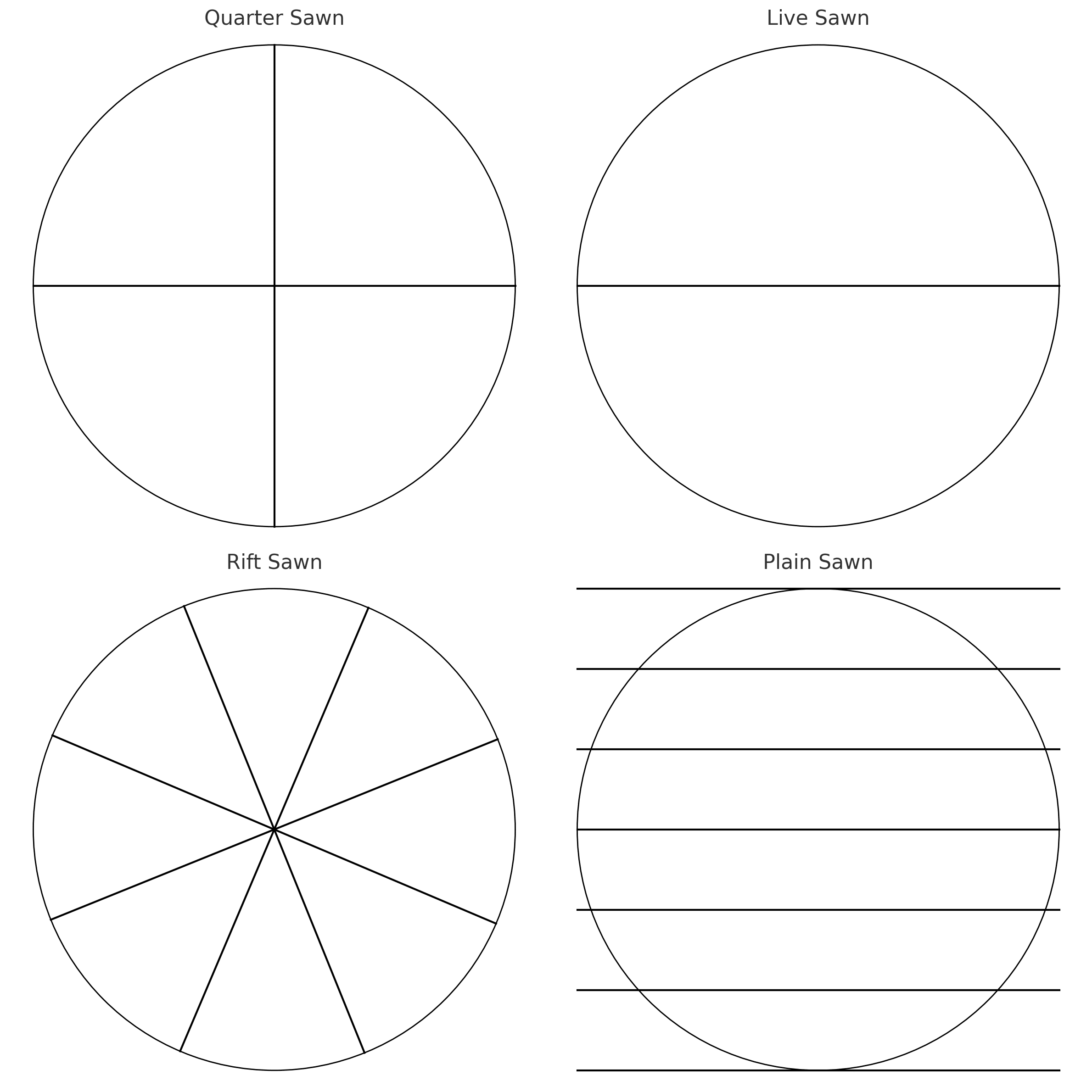
Diagram showing Cutting cross section for timber logs

Quarter Sawn Timber

Description: Quarter sawn timber is produced by first cutting the log into quarters and then sawing perpendicular to the growth rings. This method creates a linear grain pattern that is more uniform and less pronounced than plain sawn timber.

Pros:

  • Increased Stability: Quarter sawn boards are less likely to warp, cup, or twist, making them ideal for environments with varying moisture levels.
  • Aesthetic Appeal: The linear grain pattern is often considered more refined and attractive, and it can feature unique ray flecks, especially in species like oak.
  • Wear Resistance: The vertical grain structure provides greater resistance to wear and tear, making it suitable for high-traffic areas.

Cons:

  • Higher Cost: The process yields less usable timber and is more labor-intensive, leading to higher costs.
  • Limited Availability: Due to its lower yield and higher demand, quarter sawn timber can be harder to source.

Rift Sawn Timber

Description: Rift sawn timber is cut at a slight angle to the radial, typically between 30° to 60°, resulting in a tight, straight grain pattern. This method is less common and more expensive due to its lower yield.

Pros:

  • Superior Stability: Like quarter sawn timber, rift sawn boards offer excellent dimensional stability and are less prone to movement.
  • Consistent Grain: The straight grain pattern is highly uniform and considered very desirable for a sleek, modern look.
  • Minimal Seasonal Gapping: This method minimizes the gaps that can occur between boards during seasonal changes.

Cons:

  • Expensive: The lower yield and more complex sawing process make rift sawn timber the most expensive option.
  • Wasteful: This method produces more waste compared to plain sawn and quarter sawn techniques.

End Grain Timber

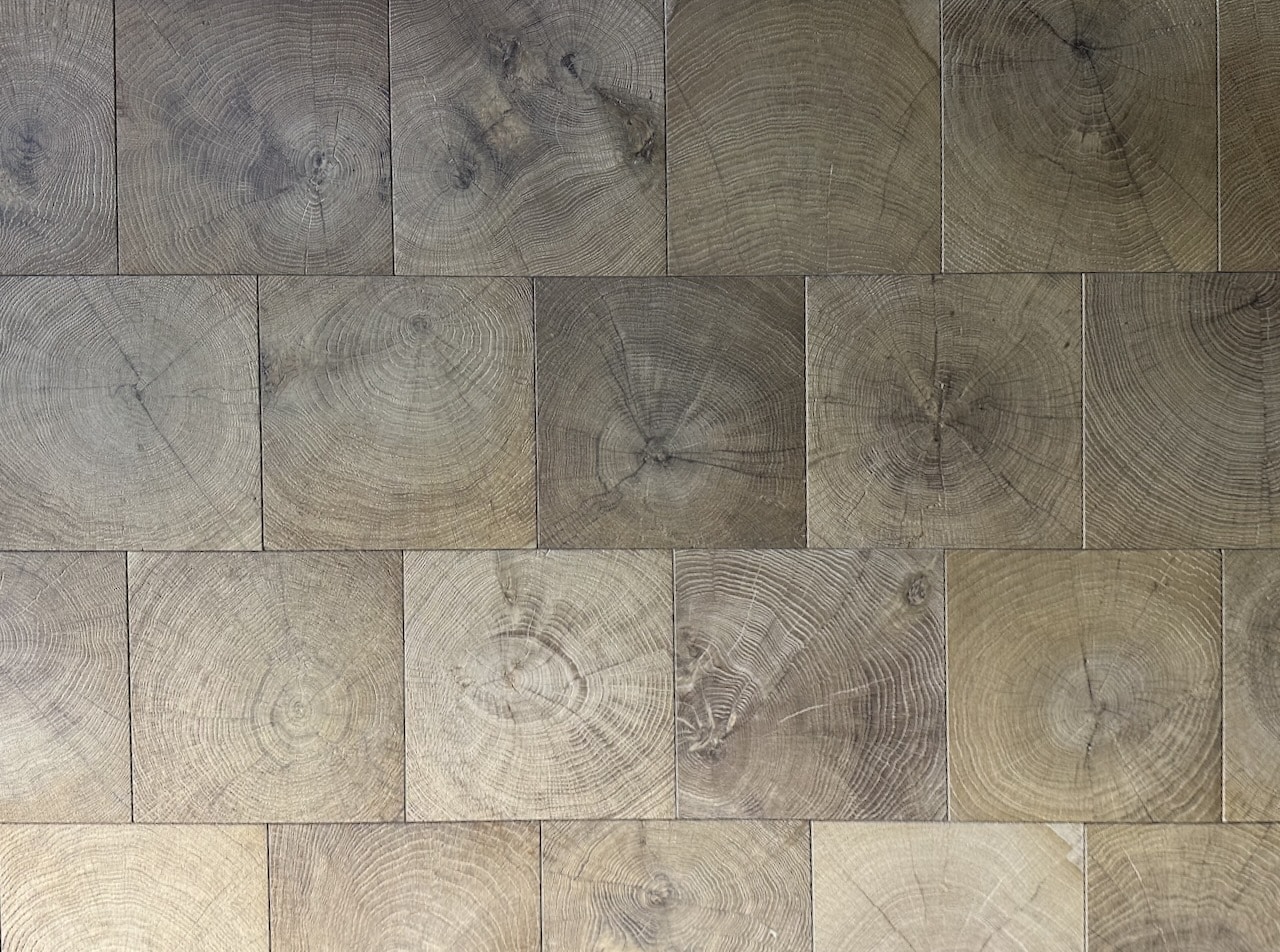
Description: End grain timber is created by cutting the log cross-sectionally, exposing the ends of the growth rings. This method is often used for specialty flooring and creates a unique, block-like pattern.

Pros:

  • Exceptional Durability: End grain boards are extremely hard and wear-resistant, ideal for high-impact areas.
  • Unique Appearance: The pattern created by end grain cutting is distinctive and can add a bold statement to any space.
  • Natural Resilience: The orientation of the grain makes end grain timber naturally resistant to splitting and chipping.

Cons:

  • Complex Installation: End grain flooring can be more challenging to install and requires a skilled professional.
  • High Cost: The intricate cutting and installation process make end grain timber one of the more expensive options.
For more information on timber flooring and expert advice on choosing the right type of wood for your project, feel free to contact us at Vienna Woods, your Auckland wood flooring specialist. Whether you’re looking for luxury hardwood floors or specialist wood flooring solutions, we are here to help you every step of the way.
Managing Water Damage to Wood Floors: When to Replace vs. Repair

Engineered timber flooring is prized for its aesthetic appeal and resilience, but it is susceptible to water damage in severe flooding situations. Understanding when your flooring can be salvaged or must be replaced is crucial for maintaining the integrity and appearance of your floors. Here’s a comprehensive guide to help you navigate the aftermath of water damage, with an emphasis on optimizing for SEO to ensure this information reaches those in need.

When Replacement of Engineered Timber Flooring is Necessary

1. Prolonged Water Exposure: Flooring that has been submerged for an extended period typically absorbs too much moisture to be effectively restored. Water weakens the adhesive bonds and can cause significant swelling and warping of the boards.

2. Contaminated Water Damage: If the flooding involves gray or black water (generally from rivers, sewers, or industrial run-off), the risk of contaminants and bacteria not only damages the floor but can also create health hazards. In these cases, complete replacement is advisable.

3. Subfloor Damage: Engineered floors installed over particleboard or plywood subfloors that have been soaked are likely compromised. These materials often swell and deteriorate when wet, making them structurally unsound.

4. Visible Mold and Mildew: If mold or mildew has developed underneath or on the surface of the flooring due to moisture exposure, replacing the entire section is necessary to prevent health risks and further spread.

Situations Where Water Damage to Wood Floors Can Be Salvaged

1. Quick Water Removal: If standing water is quickly removed and drying techniques are employed promptly, the chances of salvaging the floor increase significantly. Use commercial-grade dehumidifiers and fans to accelerate the drying process without causing additional damage through direct exposure.

2. Minor Water Penetration: Floors that have experienced minimal water exposure, where the water has not penetrated beneath the surface layer, can often be dried and repaired. Surface-level issues such as minor warping or discoloration can sometimes be corrected through sanding and refinishing.

3. Adequate Subfloor Ventilation: If the subfloor is well-ventilated and remains structurally sound despite the flood, the engineered flooring on top may be dried effectively and retained. Ensuring good airflow is key to facilitating the drying process.

4. Limited Area of Impact: When damage is localised to a small area of the flooring, it is often possible to replace just the affected sections. Matching new boards to existing flooring can be a feasible solution that preserves the majority of the original installation.

For homeowners and professionals dealing with the aftermath of water damage to engineered timber floors, understanding these key distinctions between when to replace and when to repair can save significant time and resources. If you’re facing decisions about your flooded engineered wood flooring, Vienna Woods offers expert advice and a wide range of high-quality replacement options. For more specific information and advice, you can contact us here.

Need a Quote to Replace a Flooded Floor?

Has your floor been damaged by flooding?  Need a quote for your insurance claim?  Just want an idea of what it could cost to replace?  Email us the details here for no obligation pricing and advice.


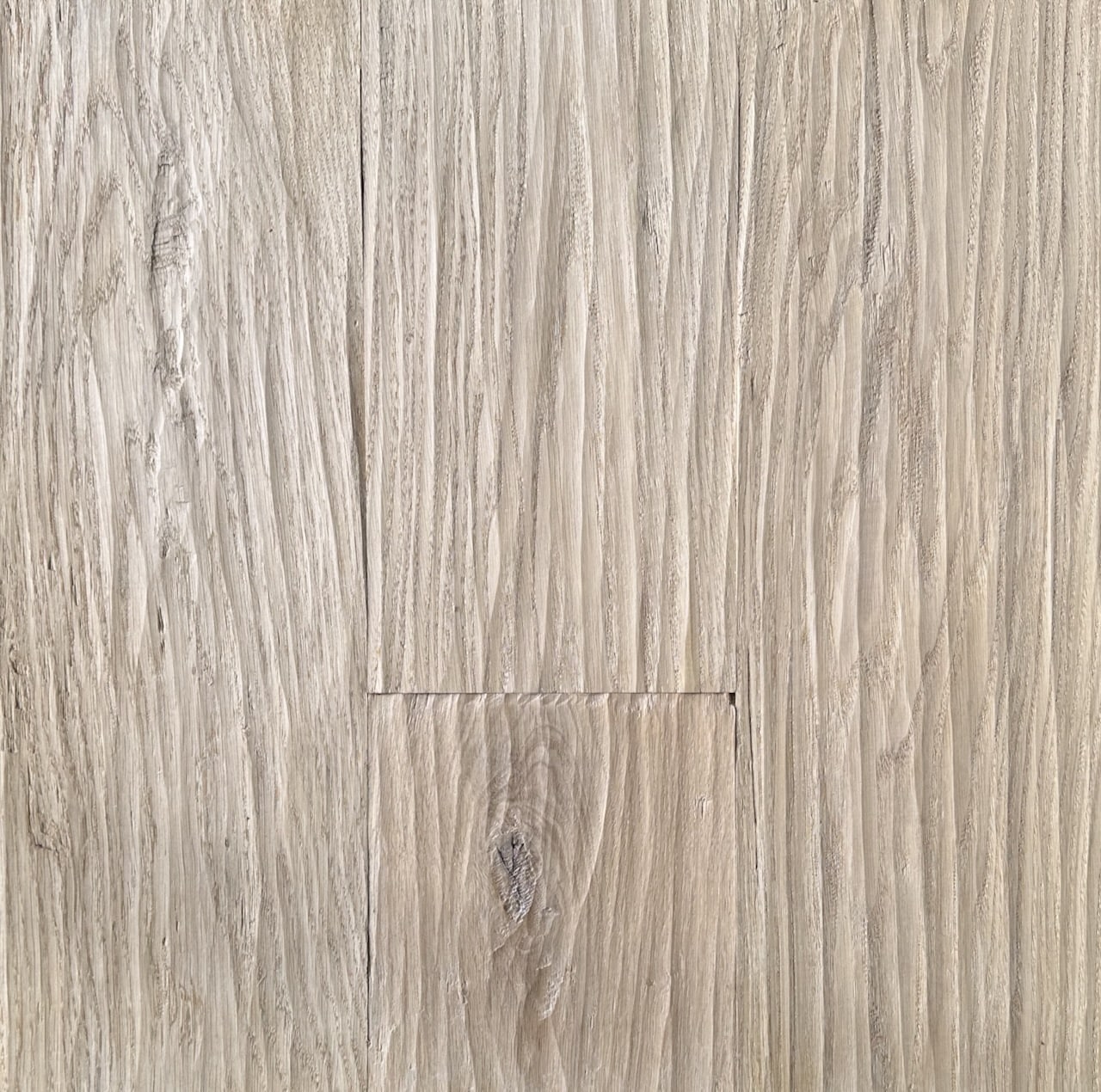
The Timeless Craft of Hand-Scraped Custom Wood Flooring

The History of Hand-Scraped Custom Wood Flooring

Hand-scraped custom wood flooring dates back centuries, long before modern machinery was available. Historically, wood floors were scraped by hand to smooth out imperfections in the timber and to ensure an even surface. This labor-intensive process was essential for creating level floors in homes and buildings. Over time, this technique became more than just a necessity—hand-scraped floors gained a reputation for their rich texture and unique, rustic appeal. Today, the method is used to recreate this old-world craftsmanship, giving homeowners the charm of historical wood flooring in modern homes.

The Art of Hand-Scraping: Time-Honoured Technique

Hand-scraping is an artisanal technique that involves skilled craftsmen carefully working each plank of wood by hand. The process involves using specific tools to create a textured surface with grooves, marks, and indentations that highlight the wood’s natural grain. Every piece of hand-scraped custom wood flooring is unique, reflecting the artisan’s craftsmanship and the wood’s character.

The technique’s origins can be traced to early European and American homes, where floors were often scraped to smooth uneven boards. What began as a practical solution evolved into a design feature that added warmth and character to a space. Today, hand-scraped custom wood flooring remains popular for its timeless beauty and the way it captures the natural essence of wood.

Why Choose Hand-Scraped Custom Wood Flooring?

Custom wood flooring offers not only a bespoke design but also a connection to the past. Here’s why it’s a preferred choice:

  • Heritage Appeal: The hand-scraped texture evokes a sense of history and craftsmanship, making it perfect for traditional and modern homes alike.
  • Durability: The process creates a robust surface that stands up to daily wear and tear.
  • Unique Character: No two planks are the same, giving your home a one-of-a-kind floor.
  • Timeless Elegance: Hand-scraped floors have a classic look that never goes out of style.

Available Hand-Scraped Custom Wood Flooring at Vienna Woods

At Vienna Woods, we offer an exceptional selection of hand-scraped custom wood flooring, crafted to the highest standards. Our floors are made from premium-quality timber, ensuring that each plank showcases the wood’s natural beauty.  Le Bois Gouge Nature is a specialty hand-scraped product available through the Vienna Woods Special Order program.

Hand-scraped custom wood flooring combines the beauty of historic craftsmanship with modern durability. Available at Vienna Woods, these floors bring a timeless, rustic appeal that offers an incredible unique floor.

Learn more about the Vienna Woods Special Order program here.

Sustainable and Compliant Oiled Timber Flooring in Whitford

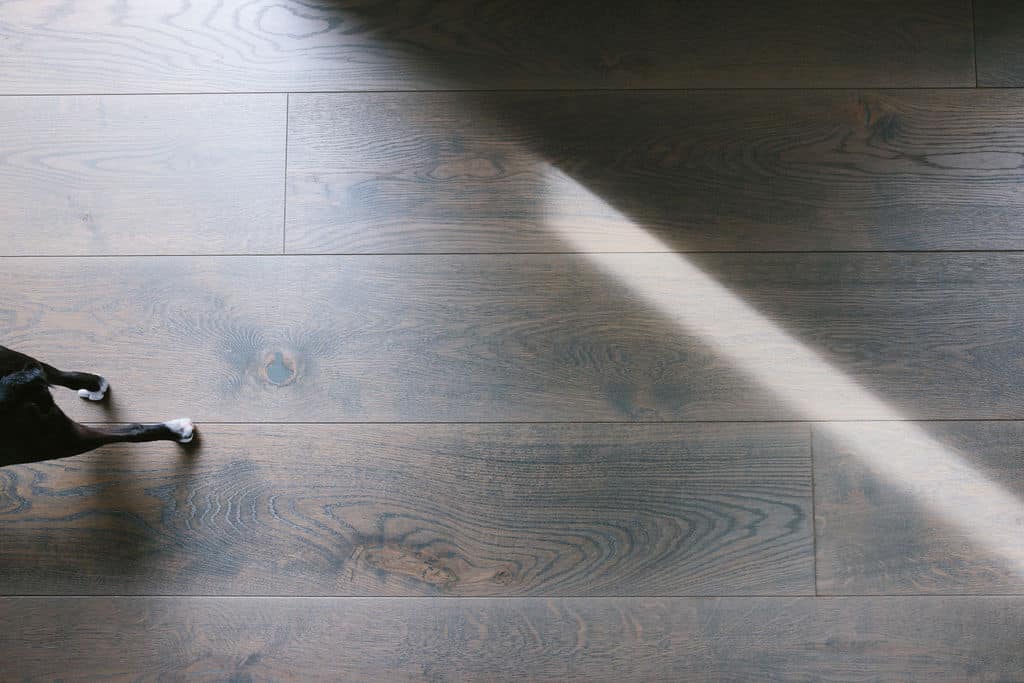
This recently completed a project in Whitford, showcases a rich dark oiled timber flooring, named Pina (after the infamous cocktail) finished with hard wax oil. This case study delves into the technical aspects, sustainability, and compliance features of this installation, which makes it a notable reference for architectural and interior design professionals.  Pina is an option from The Distilled Collection, a range of timber floor options produced in Europe from slow-grown, FSC-certified Lithuanian Oak, finished to the highest standard.  The Distilled Collection carries a number of subtle superiorities such as dense, hard-wearing oak, longer-than-usual board lengths and unique grain patterns.

Product Overview

The selected oak flooring for the Whitford project is treated with hard-wax oil, enhancing the natural beauty and durability of the wood. Hard wax oils penetrate the wood, providing robust protection against wear and moisture, while maintaining the wood’s breathability. This treatment ensures a longer lifespan and easier maintenance compared to traditional finishes.

Benefits of Oiled Timber Flooring

An oiled floor can offer a number of benefits over alternatives, but the main considerations for the client were:

  1. Option to “tint” the colour of the floor through the oil maintenance process.  If a darker hue is desired, a tint can be added to the maintenance oil.
  2. The enhanced natural beauty.  People generally sense the look and feel of naturally oiled timber if given the option.
  3. Improved durability and longevity.  With the correct maintenance, oiled floors are known to last…. well…. centuries, however most alternative require a sanding and refinishing coat to extend the life.
  4. Eco-friendly and safe.  Hard wax oils are derived from plant oils and in this case the oil carries a zero VOC certification.

Read about the differences between oiled and lacquered floors here.


E3 Compliance of Oiled Timber Flooring 

Contrary to common belief, oiled floors can comply with the E3 Building Standard, which focuses on interior moisture management and surface finishes. The Whitford project demonstrates that with the correct application and maintenance, oiled timber floors meet these standards effectively, offering an alternative to the more common lacquered finishes. The project used the Parabond Parquet 440 adhesive, which plays a crucial role in compliance by acting as a moisture vapour barrier when used with a suitable primer, even on damp substrates.

Technical Specifications of Parabond Parquet 440 Adhesive

Parabond Parquet 440 is a high-performance adhesive designed for wood floors, providing an excellent bond and flexibility that accommodates natural wood movement. Notable characteristics include:

  1. Composition: Solvent-free, isocyanate-free, and phthalate-free hybrid polymer.
  2. VOC Emissions: Rated EC1plus for very low emissions, ensuring indoor air quality and compliance with stringent environmental standards.
  3. Suitability as a Vapour Barrier: When applied correctly, it acts as an effective moisture barrier, crucial for installations over concrete or where moisture might be a concern.

Sustainability Considerations

Both the engineered oak flooring and the Parabond Parquet 440 adhesive contribute to the project’s sustainability profile:

  1. Engineered Oak Flooring: Features a no-added-formaldehyde construction and an FSC certification, ensuring the wood is sourced from responsibly managed forests.
  2. Parabond Parquet 440 Adhesive: Carries a zero VOC rating and does not contain any carcinogenic, mutagenic, or reprotoxic substances. It is compliant with GEV-EMICODE EC1 Plus, indicating the lowest possible emission levels.

The Whitford project by Vienna Woods exemplifies how sustainable practices can be seamlessly integrated with technical excellence in modern flooring installations. By using materials like the FSC-certified engineered oak and eco-friendly adhesives such as Parabond Parquet 440, Vienna Woods not only meets regulatory compliance but also addresses the growing demand for environmentally responsible building materials.

Images // Jo Currie

Wooden Floorboards in the Kitchen; What is E3 and How Does it Impact Your Project?

When planning to install wooden floorboards in your kitchen, it’s essential to understand New Zealand’s building regulations, particularly Clause E3 of the Building Code. This clause addresses internal moisture management, ensuring that building elements are protected against moisture-related issues. Recent updates to Clause E3 have implications for the use of timber flooring in areas like kitchens.

Understanding Clause E3 of the New Zealand Building Code

Clause E3, titled “Internal Moisture,” aims to prevent moisture accumulation that can lead to fungal growth, structural damage, and health hazards. It mandates that surfaces in wet areas be impervious and easily cleaned to maintain a healthy indoor environment.  See the NZ Building Performance page here….

Recent Updates to Clause E3 and Their Implications

In November 2020, Amendment 7 to Acceptable Solution E3/AS1 was introduced, with a transition period ending on 3 November 2021. This amendment reclassified dishwashers and washing machines as sanitary appliances and sinks as sanitary fixtures. Consequently, kitchens are now considered wet areas under the Building Code.  (Read what Master Builders have to say here.)

The key changes include:

  1. Flooring Requirements: Floors in areas containing sanitary fixtures or appliances must be impervious and easily cleaned. In open-plan spaces, this impervious surface must extend at least 1.5 meters from all sanitary fixtures and appliances.
  2. Material Restrictions: Traditional timber flooring requires a submission as an alternative solution.

Options for Using Wooden Floorboards in the Kitchen

Despite these changes, it’s still possible to use wooden floorboards in your kitchen by seeking an Alternative Solution. This involves demonstrating to the Building Consent Authority that the proposed flooring meets the performance requirements of Clause E3.

To support your application:

  1. Durable Coatings: Apply a suitable durable coating to seal the timber surface, ensuring it is impervious and easily cleaned.  For refinished timber flooring, the supplier should provide evidence of this.
  2. Proper Sealing: Ensure all joints and edges are properly sealed to prevent moisture ingress.
  3. Maintenance Plan: Provide a maintenance plan outlining regular inspections and upkeep to maintain the floor’s integrity.

While the recent updates to Clause E3 of the New Zealand Building Code have introduced stricter requirements for flooring in wet areas, including kitchens, wooden floorboards can still be used with proper planning and adherence to Alternative Solutions. By ensuring compliance with moisture management standards, you can enjoy the aesthetic appeal of timber flooring without compromising on safety or durability.

For more detailed information on the Building Code and its requirements, visit the Building Performance website.

At Vienna Woods we’ve helped many hundreds of professionals and home-owners with consented timber flooring in kitchens and laundries.  Got questions?  Need help?  Contact us here….

Understanding and Remedying Cupping in Timber Floors

A Guide for Architects, Interior Designers, and Homeowners

At Vienna Woods, we understand the elegance and durability that timber flooring brings to any space. As experts in providing high-quality engineered oak flooring, we are committed to not only offering the best products but also ensuring their longevity and beauty in your projects and homes. One common issue that needs addressing in timber flooring is ‘cupping’ – a phenomenon that can affect both solid and engineered floors. This article is crafted to help our architects, interior designers, architectural builders, and homeowners understand cupping, its causes, and effective remedies.


What is Cupping in Timber Flooring?

Cupping occurs when the edges of a timber floorboard rise higher than its center, creating a concave shape. This is commonly observed in both solid wood and engineered wood floors. Cupping is often a response to moisture imbalance within the flooring material – a higher moisture content on the bottom surface compared to the top.


Causes of Cupping

  1. Moisture Imbalance: The primary cause of cupping is a difference in moisture levels between the top and bottom of the flooring. This can be due to environmental humidity, spills, or moisture from the subfloor.

  2. Inconsistent Manufactured Moisture Content: Engineered floors are manufactured at specific moisture levels. If these levels are not consistent across the layers of the board, cupping can occur after installation.

  3. Subfloor Conditions: Moist subfloors, especially under bamboo or engineered floors, can transfer moisture to the flooring, leading to cupping.

  4. Environmental Factors: Factors such as sun exposure, heating, and air-conditioning can impact the moisture balance in timber flooring.


Remedies for Cupping

  1. Preventative Measures: The best remedy is prevention. Ensure a continuous plastic damp proof layer is installed between the engineered wood flooring and the subfloor. This helps prevent moisture-related cupping.

  2. Re-sanding and Refinishing: In milder cases, re-sanding the affected floor can even out the surface. However, ensure the moisture content of the floor is stable before sanding.

  3. Floor Replacement: In cases where cupping is extensive and other methods are ineffective, replacing the flooring may be necessary.

  4. Environmental Control: Implementing measures like window treatments and mats can help control the factors contributing to cupping.

  5. Subfloor Assessment: Addressing any issues with the subfloor, including moisture and stability, is crucial in preventing and remedying cupping.


Why This Matters to You

For architects and designers, understanding these issues ensures that your designs maintain their integrity over time. For builders, this knowledge helps in delivering durable and high-quality flooring to your clients. And for homeowners, being informed means you can better care for and maintain the beauty of your timber floors.

At Vienna Woods, we believe in empowering our clients with knowledge. Understanding issues like cupboarding enables you to make informed decisions about your flooring, ensuring lasting beauty and durability. For more information or to explore our range of high-quality timber flooring, visit us at www.viennawoods.co.nz.