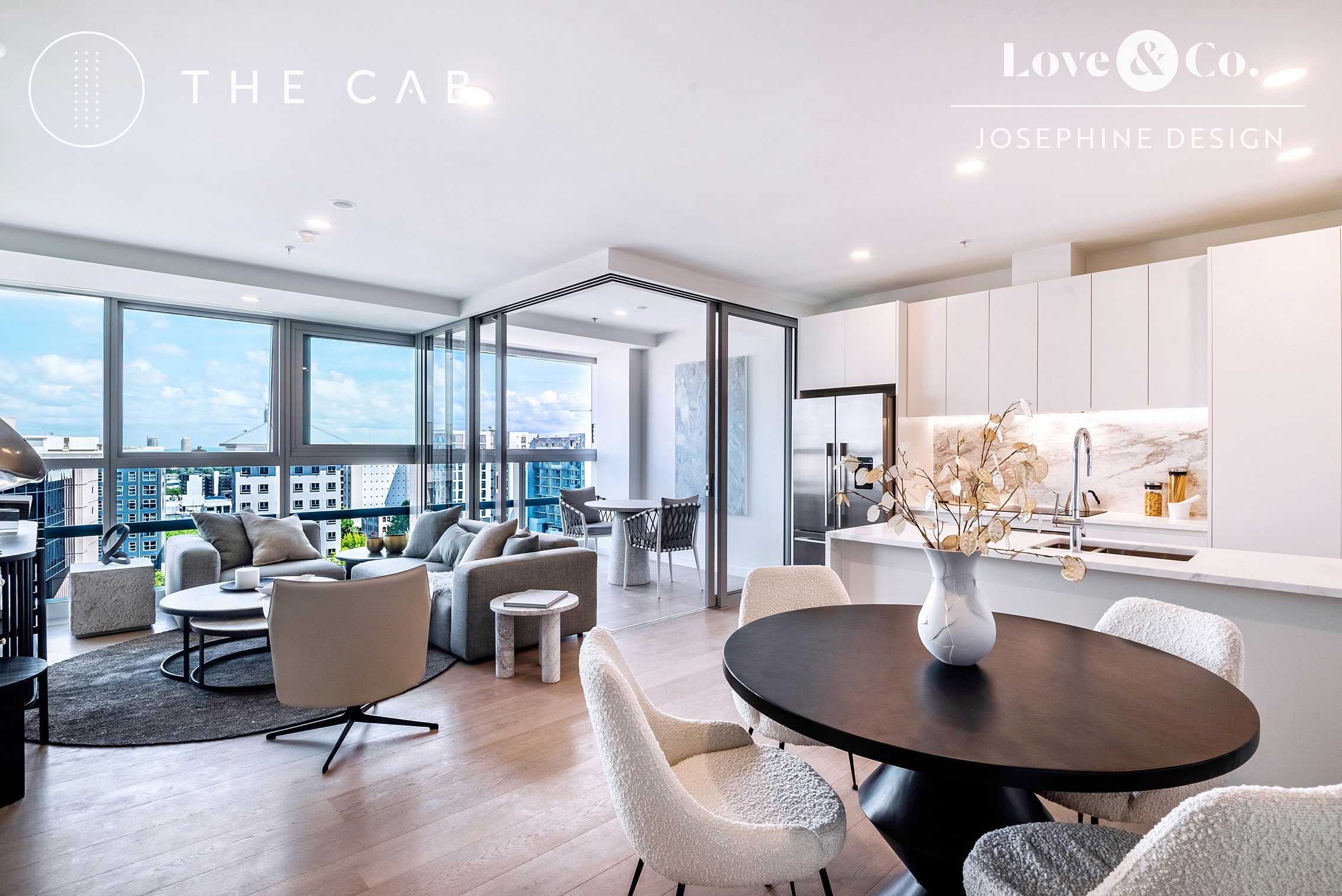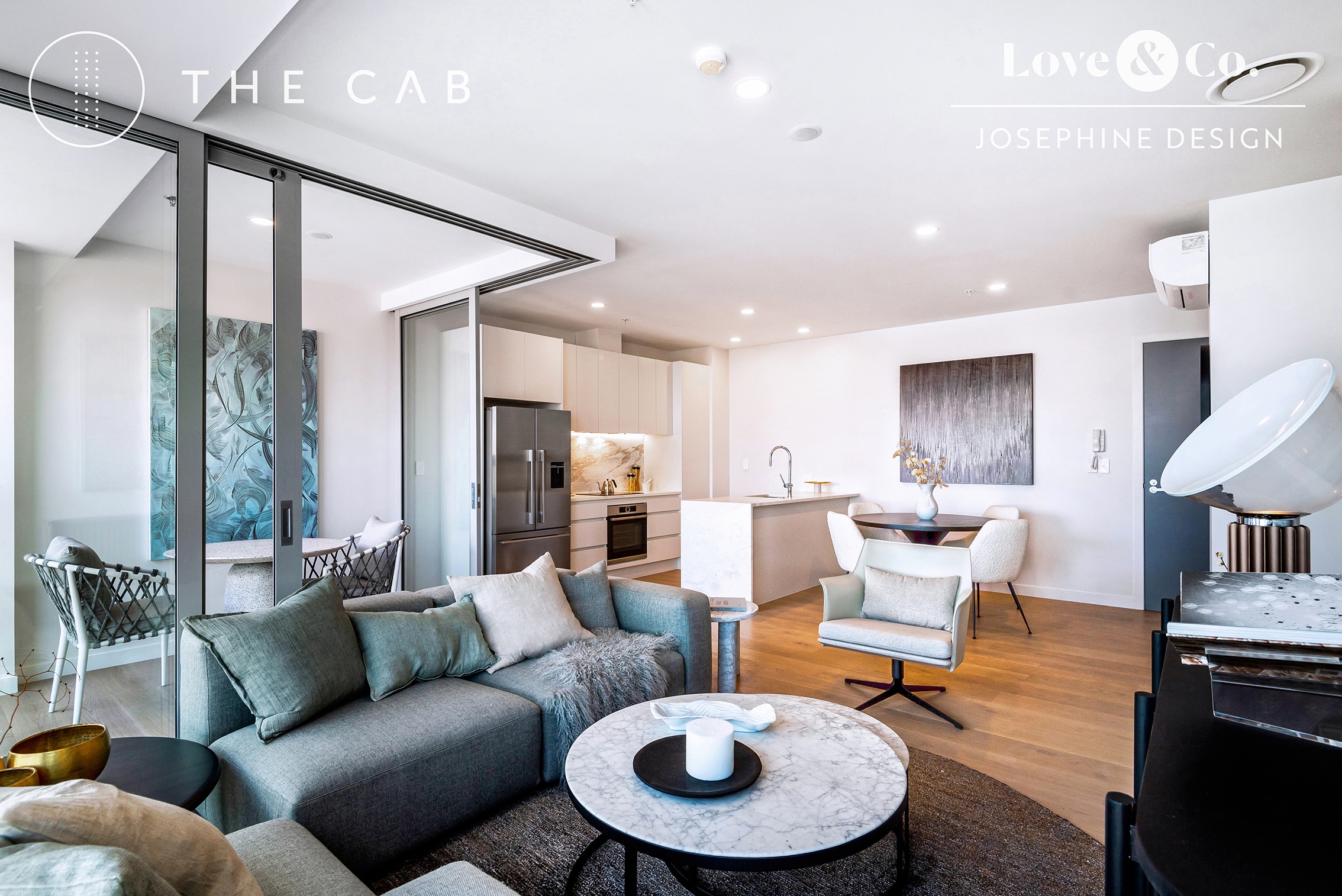
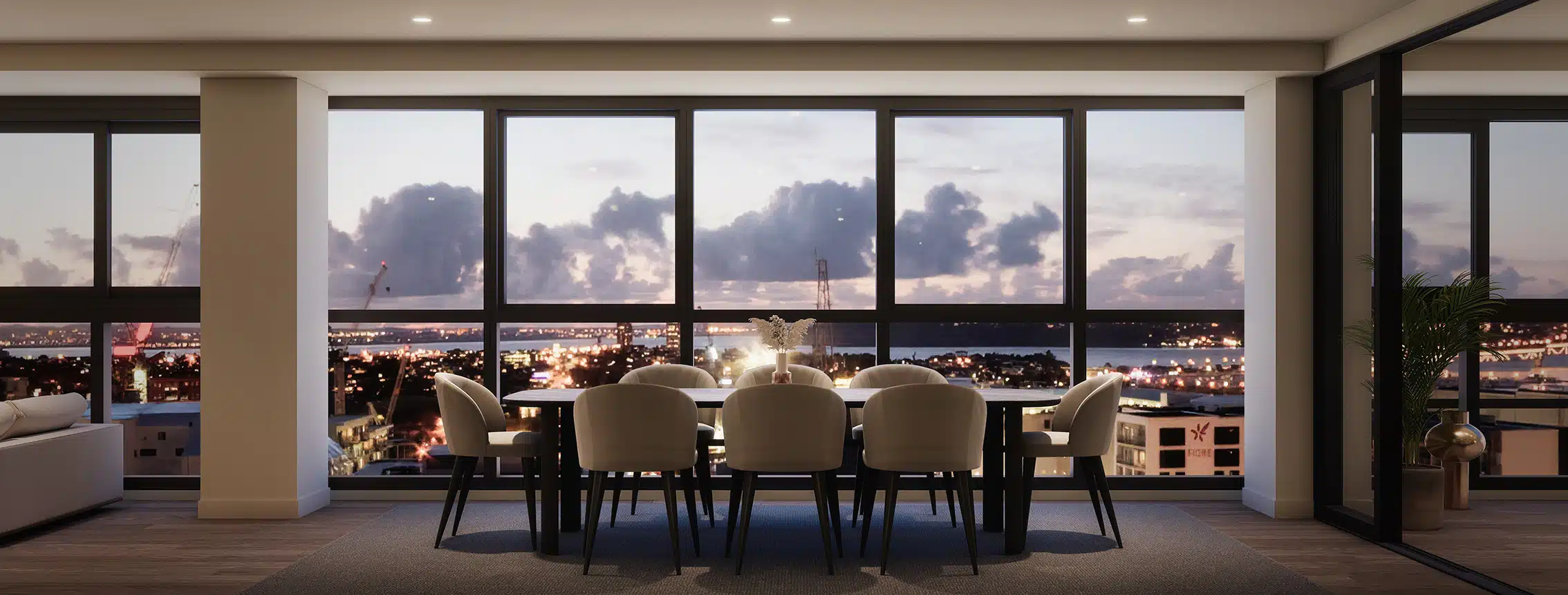
We are thrilled to have Vienna Woods Baltic Oak timber flooring throughout Auckland’s newest apartment building – The CAB Residences.

A few words from Damon Jackson, Managing Director of Vienna Woods.

A unique feature of The CAB Residences, is the inclusion of European timber flooring that my company has been supplying and hand laying for Love & Co. You just don’t see such quality materials in many apartments. At Vienna Woods, we are a New Zealand business that shares a passion for great design, quality finishes and working with sustainable products. It’s been thrilling to see the commitment to these ideals throughout The CAB building and to be a part of it”

Amazing team effort from The CAB Auckland, Love & Co and Josephine Design.

 Baltic Oak timber flooring

Vienna Woods Oak timber flooring

The cab Residence

love co josephine designs-  The cab Residence

Project at a Glance

Quick answer: Vienna Woods supplied and installed more than 700m² of wide long-plank engineered European oak across the CAB Residences in Auckland CBD — a Category A heritage conversion of Auckland’s first skyscraper. The specification was non-negotiable on European-made FSC-certified oak; we matched it with Admonter, staged the install across the residences, and finished the project with subtle bevels and multiple colour archetypes to suit the apartment mix.

SpecDetail
BuildingThe CAB (former Auckland City Council building), Greys Avenue, Auckland CBD — Category A heritage
Building historyAuckland’s first skyscraper, completed 1966; offices overlooking Aotea Square; converted to residential by Love and Co
DeveloperLove and Co (John Love)
Interior designerJosephine Design / Josephine Love
Floor area supplied700m²+ across multiple residences
SpecWide long-plank engineered European oak, subtle bevels, multiple colour archetypes
SupplierAdmonter (FSC chain-of-custody certified)
InstallerVienna Woods install team — staged across residences

Why the Specification Was European Oak, Not Just “Oak”

Love and Co briefed the floor as a defining material across the CAB. Two requirements ruled out most of the market:

  • European oak species, not Asian or American. European oak grows slowly in colder climates; the rings are tighter, the colour holds more depth, and the grain photographs the way the renders promised. Asian-sourced oak (even when it’s still European oak species, milled into engineered boards offshore) wasn’t off the table — but the species and grade had to be unambiguous.
  • FSC Chain of Custody traceability. A Category A heritage conversion at scale draws Green Star and council scrutiny; chain-of-custody isn’t optional. Admonter is FSC certified end-to-end, which made the documentation track easy rather than a scramble at PS3 stage.
  • Consistency across 700m² and staged delivery. Multiple apartments, multiple colour archetypes, sequenced fit-out over months. The boards from batch to batch had to match within the colour archetypes regardless of when each apartment came through. Admonter’s batch consistency held.

European oak isn’t an aesthetic preference here. It’s a technical decision driven by traceability, batch consistency, and the heritage status of the building.

Specifying Wide Long Plank in a 1966 Heritage Building

Wide plank reads differently in a heritage interior than in new build. The CAB’s room geometry — long, narrow, original concrete subfloors, period-deep ceilings — wanted boards that ran with the room rather than against it. We specified:

  • Plank width 180–220mm. Anywhere wider than 220mm starts to fight original mid-century proportions. Anywhere narrower than 180mm dilutes the wide-plank brief. 190mm became the working median.
  • Plank length 1,800–2,400mm. Long-plank format. Heritage rooms in the CAB have generous lengths that swallow short boards visually; long planks let the figure run unbroken across the space.
  • Engineered construction, 14mm board / 4mm wear layer. Solid was never on the table — Auckland CBD humidity swings + UFH compatibility + a concrete subfloor on a 1966 slab made engineered the only credible spec.
  • Subtle bevels, not heavy V-grooves. The brief wanted boards to read as a continuous floor, not as visible planks. Soft micro-bevels gave the edge definition without the trip-hazard look.
  • Multiple colour archetypes, not a single floor. Different apartments wanted different temperatures — light/natural for some, mid-tone for others. We specified three archetypes from the Admonter range so colour selection per apartment didn’t break consistency within the archetype.

The combination — wide, long, engineered, soft-bevel, multi-archetype — is roughly twice the planning effort of a single-spec residential floor. It’s also roughly twice the photographic payoff.

Install Approach — Staged Across Months, Not One Drop

700m² split across multiple residences with the building’s fit-out sequenced — apartments completed in waves rather than en bloc. We staged the install to match:

  • Glue-down system to concrete — the only sensible choice over a 1966 slab. Floating wasn’t an option for the acoustic spec and would have read wrong against the building mass.
  • Acoustic underlay (Mapesonic-class glue-down system) — the spec required impact noise attenuation between residences. Glue-down acoustic underlay added ~$50/m² to the supply cost and earned its keep at PS3.
  • Subfloor moisture and flatness testing before each apartment — a 1966 concrete slab varies. Each apartment was tested fresh and remediated as needed before boards went down.
  • Staged delivery from Admonter — apartments completing in waves means board stock arriving in waves too. We managed the order book against the Love and Co programme rather than dropping the full 700m² on site.
  • Site protection through trades — wide-plank European oak going down before final trades complete is unforgiving. Protection film + plywood overlay through painters, joiners, sparkies, and final clean.

What This Project Confirmed

Three things from the CAB sit at the centre of how Vienna Woods now specs commercial timber flooring:

  1. FSC traceability isn’t a nice-to-have at this scale. The documentation track from forest to apartment closed cleanly because Admonter is end-to-end certified. If we’d had to assemble that paper trail across a non-certified supplier, the project would have cost months of compliance time. Read more on FSC chain-of-custody.
  2. Engineered construction belongs in heritage conversions. A 60-year-old concrete slab, modern UFH, multiple residences, acoustic compliance — these are exactly the conditions engineered was built for. Specifying solid here would have failed the PS3 review and the first humidity swing. See engineered vs solid for the full case.
  3. Wide long plank survives the move from render to reality. The Josephine Design renders showed long, continuous boards reading as a single material. The 180–220mm × 1,800–2,400mm spec delivered that without the visual breaks short boards introduce. More on wide-plank specification.

The brief framing — European-made, FSC-certified, multiple archetypes, staged install — is now the working template for every commercial fit-out at this scale that comes through Vienna Woods.

CAB Residences Project FAQ

What timber flooring was used at the CAB Residences?
Vienna Woods supplied more than 700m² of wide long-plank engineered European oak from the Admonter range. Plank widths 180–220mm, lengths 1,800–2,400mm, soft micro-bevels, FSC chain-of-custody certified, glue-down to original 1966 concrete subfloor with acoustic underlay.
Why was European oak specified rather than another species?
Three reasons. The CAB is a Category A heritage building so FSC chain-of-custody documentation was required; Admonter’s certification closed that out cleanly. European oak species (slow-grown, tight grain) holds colour and figure across batches, which mattered for 700m² of staged delivery. And the rendered apartment palette assumed European oak — substituting would have changed how the floors photographed.
Why engineered instead of solid timber?
The building is a 1966 concrete slab with modern UFH and modern acoustic compliance between residences. Solid timber over a concrete slab in CBD humidity conditions would cup and gap within a season; over UFH it would fail outright. Engineered European oak — multi-ply core, 4mm wear layer — handles all three conditions without compromise.
How was the floor installed across multiple residences?
Glue-down system to the original concrete slab, over a Mapesonic-class acoustic underlay. Each apartment was moisture-tested and remediated before install. Board stock was delivered in waves matched to the Love and Co fit-out programme rather than dropped en bloc. Site protection (film plus plywood overlay) through subsequent trades.
Who designed and developed the CAB Residences?
Love and Co (John Love) developed the building, converting Auckland’s first skyscraper — completed 1966 as Auckland City Council offices overlooking Aotea Square — into residential apartments. Interior design was Josephine Design (Josephine Love). Vienna Woods supplied and installed the timber flooring.
What did the floor cost per square metre?
Project-specific commercial pricing isn’t published here, but the spec sits in our premium European tier — typically $220–$320+/m² supply for the engineered European oak, plus $85–$110/m² glue-down installation, plus ~$50/m² acoustic underlay. For pricing on a comparable project, see our 2026 timber flooring cost guide or request a specifier quote.

Related Vienna Woods guides

Specifying timber flooring for a commercial or heritage project?

Vienna Woods has been supplying engineered European oak to Auckland architects, designers, and developers since 2009. FSC chain-of-custody, MasterSpec listed, NZBC-compliant acoustic data on file, CPD presentations available.

Book a specifier consultation   Request samples and pricing

Related Posts