Floating Timber Floor Installation vs Glue-Down Installation

Choosing between a floating timber floor installation and a glue-down method is a key decision for any flooring project. Each approach has unique benefits and suitability depending on your needs. Here’s a comparison to help you decide which option is right for you.

What is a Floating Timber Floor Installation?

A floating timber floor rests on an underlay rather than being fixed directly to the subfloor. The planks click together, creating a stable, secure surface that “floats” above the base.

Benefits of Floating Floors:

  • Ease of Installation: Ideal for DIY projects, thanks to the click-lock mechanism.
  • Cost-Effective: No adhesives or nails are required, reducing materials and labour costs.
  • Subfloor Flexibility: Can be installed over various surfaces, including concrete or tiles.
  • Movability: Easily removed or replaced, making it perfect for renters or those planning future renovations.

Limitations of Floating Floors:

  • Less Soundproof: Without adhesive, sound can transmit through the layers.
  • Not Ideal for Wet Areas: Floating floors may not be suitable for high-moisture spaces like bathrooms.

What is Glue-Down Installation?

Glue-down timber floors are fixed directly to the subfloor with a high-quality adhesive. This creates a seamless bond, enhancing the floor’s stability and longevity.

Benefits of Glue-Down Floors:

  • Superior Stability: The adhesive bond minimises movement and provides a solid feel underfoot.
  • Enhanced Acoustics: The glued surface reduces noise transmission and echoing.
  • Durable and Long-Lasting: Ideal for high-traffic areas and commercial spaces.
  • Better for Wet Areas: With the right sealant, glue-down floors can handle moisture better than floating options.

Limitations of Glue-Down Floors:

  • Complex Installation: Requires professional expertise, especially on uneven subfloors.
  • Higher Costs: Adhesives and skilled labour add to the expense.
  • Permanent Fix: Removing glue-down floors can be difficult and time-consuming.

Which Installation Method is Right for You?

Choose Floating Floors If:

  • You want a quick, cost-effective installation.
  • Your subfloor is even and dry.
  • You need flexibility for future changes or renovations.

Choose Glue-Down Floors If:

  • You require maximum stability and soundproofing.
  • The area experiences heavy foot traffic.
  • You are installing flooring in wet or commercial spaces.

Both floating timber floor installation and glue-down methods have their place in modern flooring. Your choice depends on your project’s requirements, your budget, and the conditions of your subfloor.

When in doubt, consult a flooring expert to ensure the best outcome for your space. No matter the method, high-quality timber floors add beauty, warmth, and value to your home.
You May Be Interested In:

Gaps Between Floorboards

Hardwood floors are renowned for their enduring allure, yet the issue of noticeable gaps between floorboards, especially in older urban villas, is a common challenge. Despite advancements in engineered wood flooring, these gaps persist due to the intrinsic qualities of real wood. This piece delves into the origins of these gaps, their impact on aesthetics, and practical remedies for homeowners.

1. Grasping the Inherent Traits of Wood:
Real wood, the primary material in engineered boards, has a distinctive property of expanding and contracting with shifts in humidity. Analogous to a sponge, wood expands when saturated with water and contracts as it dries. Moreover, the organic nature of wood may result in slight bending of floorboards, deemed normal.

2. Aesthetic Contemplations:
While engineered wood flooring mitigates gap occurrence, it doesn’t eradicate them entirely. Homeowners hold diverse views on these gaps; some embrace them as part of the genuine charm of real wood floors, while others lean towards a more seamless appearance. The choice between click-lock systems and traditional tongue and groove joining systems influences gap likelihood.

3. Click-Lock Systems vs. Tongue and Groove Joining:
Click-lock systems, prevalent in laminate flooring, provide a seamless look by securely binding floorboards, accommodating collective expansion and contraction. In contrast, tongue and groove joining systems may exhibit gaps between boards and other design elements, such as stair nosings. Both systems find widespread acceptance in the architectural and design community.

4. Tackling Gaps:
Homeowners averse to visible gaps have options to minimize their impact. Click-lock systems, especially when installed floating over underlay, diminish gap visibility. Alternatively, larger gaps can be addressed with colored fillers, preserving the authenticity of real wood while addressing aesthetic concerns.

5. Climate Conditions and Seasonal Fluctuations:
Gaps in wood floorboards may become more apparent during or after installation, but it’s crucial not to panic. Immediate post-installation gaps can be lessened with colored filler, while those developing over time may naturally close up with changes in climatic conditions and seasons. Manufacturers recommend maintaining interior humidity levels between 40-60% to minimize floorboard movement.

Understanding the nature of gaps between wood floorboards, appreciating the available aesthetic choices, and knowing how to address and minimize these gaps contribute to a comprehensive approach for homeowners seeking the perfect balance between the allure of real wood and a visually appealing floor.

Oil vs Lacquer Finish

Wood finish options available are Natural oil, UV oil, or lacquer (polyurethane).

NATURAL OIL FINISH

Natural oil finishes do not leave a film on the surface of the wood like polyurethane, instead the special 100% natural oils seep into the wood layer and harden, creating an incredibly beautiful and durable surface, leaving the wood pores open so you can enjoy the natural wood surface as nature intended. If you maintain the floor well you may never need to sand and refinish the entire surface of a Natural oiled floor, as scratches can easily be spot-repaired by the home owner – simply sand the scratch and apply more oil (this can only be done if the correct oil colour is available for touch-up’s).

Natural oiled floors develop a beautiful patina and character over time and often become even more attractive as they age.

It’s important to note that these finishes can age with ‘character’; this will depend on wear and tear – for example certain foodstuffs or liquids may leave a discolouration. Cleaning up spills immediately can help immensely. New generation finishes can often be applied as a top coat, to add a higher level of protection against potential staining.

Natural oiled wood feels wonderful to walk on with bare feet, and the open pored surface is warm to the touch and slip resistant. The open pored surface allows the wood to breathe, regulating moisture in the air, for a healthier home environment. Natural oiled floors have a great resistance to wear and are also suitable for commercial purposes.

Residential care: Mop every 2-3 weeks with Admonter or Ciranova Soap. Do not use any other cleaning product on oiled wood floors! Apply Admonter maintenance oil every 12-36 months, or Ciranova Maintenance Oil every 12 months depending on wear. View full care instructions on the product listing.

UV OIL FINISH

The oil finish is dried during production under UV lamps, making the wood surface very durable and easy to care for. UV oiled floors are a great compromise between natural oiled and polyurethane finishes – they give a similar appearance to a natural oiled finish, but are a bit more forgiving than natural oiled finishes if mistreated through a lack of maintenance. UV oiled floors tend to be more resistant to staining compared to natural oil finishes.

UV oiled floors are cared for in a similar manner to Natural Oiled wood floors.

Residential care: Mop every 2-3 weeks with Admonter or Ciranova Soap. Do not use any other cleaning product on oiled wood floors! Apply Ciranova Maintenance Oil every 12-24 months depending on wear. View full care instructions on the product listing.

LACQUER / POLYURETHANE FINISH

Acrylic matt lacquer (polyurethane) entirely seals the pores of the wood, providing excellent wear and chemical resistance. This acrylic lacquering is elastic and absolutely uncomplicated in care. An additional “anti-scratch” coating makes the floor extremely durable and resistant.

Lacquers have become very natural looking in recent times – ask us about Supermatt lacquer or Pureline lacquer.

Lacquer finishes will eventually require refurbishment, involving a full sanding and several coats of new lacquer.

Residential care: Use Admonter Clean and Care or BONA wood floor cleaner, apply by mop every 2-3 weeks. Vacuum or sweep in between times.

Quiet Floors

CREATING FLOORING FOR LIVING

We’ve worked with top suppliers in Europe to find acoustic systems that genuinely work—making timber floors quieter and more comfortable underfoot.

Acoustic Adhesive

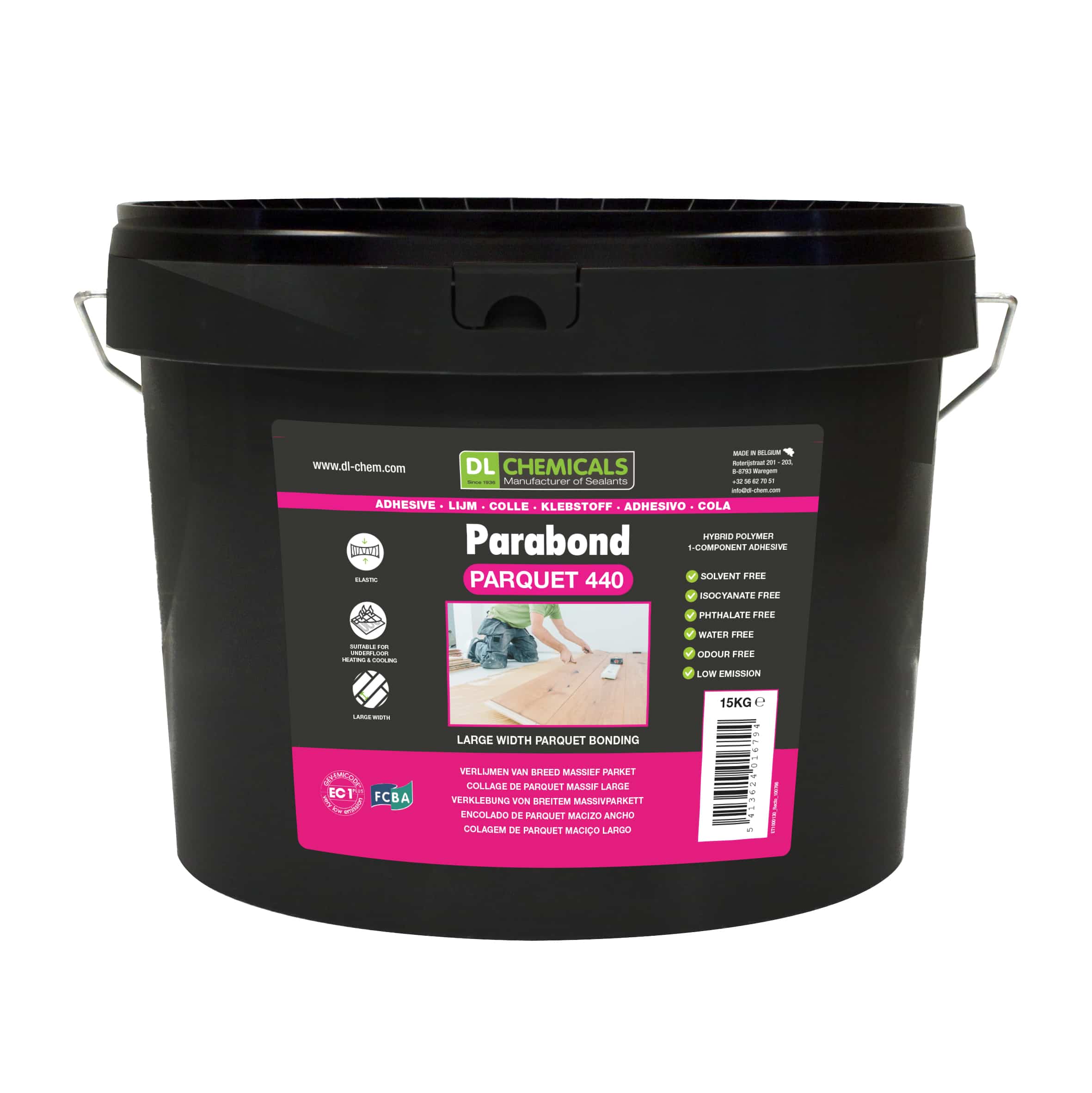
Wood flooring parquet glue

New generation MS hybrid polymer adhesives offer a superior acoustic performance.

Best results are achieved when using Parabond Parquet 480 as a combined moisture barrier & adhesive; the thicker layer of adhesive used to ensure moisture protection dries to a rubber-like consistency, providing excellent acoustic performance.

Parabond is made in Belgium and is imported exclusively by Vienna Woods.

Acoustic Underlay

For peak values in acoustic & load.

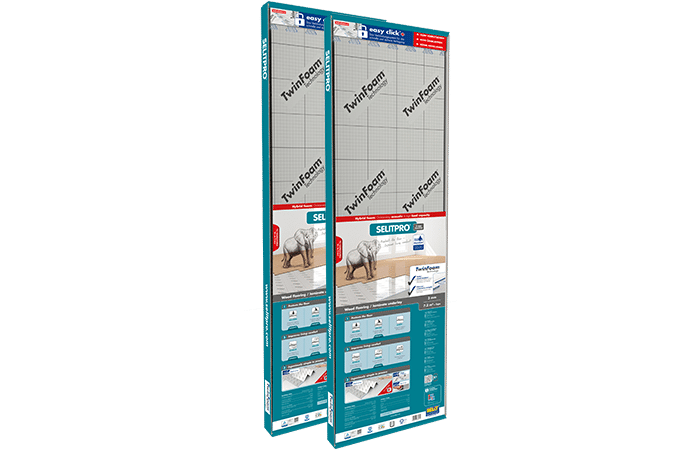
SELITPRO® 2.2 mm uses a smart double-foam system that improves both sound performance and strength—ideal for upstairs areas or apartments where noise matters.

The SELITPRO® 2.2 mm AquaStop is equipped with an AquaStop surface and optimally protects the floor against moisture with a sd-value ≥ 200 m.

We also stock 3mm Aquastop underlay.

SELITPRO® underlay is made in Germany and imported exclusively by Vienna Woods.

Mapecem CR

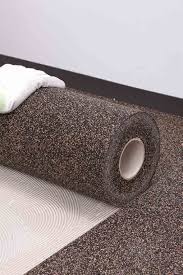
This 4mm thick cork/rubber underlay provides excellent acoustic performance and is an ideal solution when a high performing underlay is required.

We typically glue the underlay to the substrate and then glue the wood flooring directly to the underlay.

Perfect for apartments where a glued down wood floor is desired.

All About Colour Variation

Colour Variation Is Naturally Beautiful

Many of our clients ask us about colour variation. It’s important to note that there will always be colour variation with wood flooring.

Using oak as the example, you’ll see colour and grain variation from board to board, and also differences between batches. This is a feature of oak and is to be celebrated; it’s these natural differences that ensure your real wood floor looks as natural as possible. If the colour were too uniform you may end up with a floor that looks less natural and more like laminate or vinyl.

Remember that oak doesn’t discriminate; no matter what type of oak it is, the country of origin or where you buy it from, there will always be a natural colour variation from board to board.

Varying tannin levels and different grain patterns are contributing causes of colour variation – for example, where you have more open grain compared to tighter grain structure, this may also result in some colour variation.

This natural variation is one reason why a small hand sample may look quite different to the installed floor. It’s important to note that small samples are just an indication of the general colour tone and grain pattern effect.

Wood Treatments

Some wood treatments can highlight colour differences – such as with smoked oak. As the smoking process relies on tannin levels in the oak to colour the wood, you will see a range of colours from the tannin variation throughout your flooring. This is a valued feature of smoked oak flooring and helps create a very organic and natural atmosphere.

The process of aging oak can also contribute to colour variation. For example the use of reactive stains will highlight colour differences. You may see a wide range of colours throughout your flooring from a single reactive stain colour – a grey colour may appear light grey and dark grey in the same floor. This variation produces a very attractive and popular aged effect.

Colour Differences From Custom Colours

This is a slightly different topic as we’re not talking so much about variation in colour throughout your floor (although this will still exist), we’re looking at the variation you will see during the process of creating your custom colour.

If you’re getting colour samples produced on different pieces of oak (eg. different board sizes from different manufacturers), you may see substantial colour differences. For example, a tinted oil that appears almost black on Ukrainian oak may appear a mid-brown tone on Lithuanian oak.

Another factor that affects the final colour is texture; a deeper brushed structure on the same piece of oak will typically make the same colour appear darker compared to the same oak with a lightly brushed texture.

How To Obtain Less Colour Variation

One way that you may realise a floor with less variation is to buy a prime grade of oak without knots. In general, the colour variation can be less with this oak grade, however there will still be some variation.

Another way to minimise variation is to buy European made engineered wood flooring. Remember also that just because the oak is ‘European’, it doesn’t mean your floor has been manufactured in Europe. The vast majority of European oak flooring sold in New Zealand is sourced from China.

In general we tend to see more colour variation and less consistency in wood flooring sourced outside of Europe. That’s not to say you can’t get wood flooring with a lot of variation sourced from Europe – you certainly can, but it depends on what treatment the wood has gone through (as mentioned above).

Many European manufacturers offer ranges with more variation as a feature, so there are always exceptions.

The best thing to do is talk to your wood flooring supplier – ask them what is the typical colour variation of the product you’re interested in. Ask to see photos that reflect the average colour variation.

Lastly, embrace the colour variation as this is intrinsic to all wood. Colour and grain variation is one aspect that helps bring a beautiful and natural atmosphere to your interior.

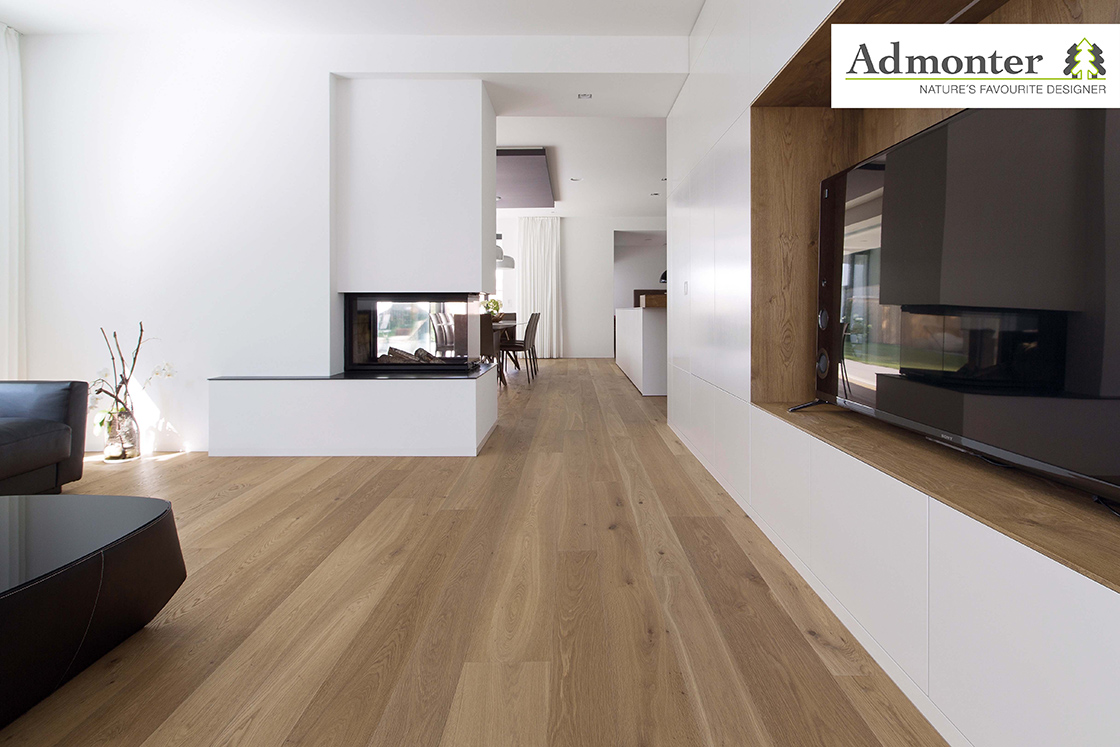
Admonter Oak Seta

Custom Timber Flooring Imports

Special Imports Tailored to Your Living Space

Custom timber imports tailored to your project: Whether you’re after wide‑plank oak, reclaimed timber, or a special colour, we’ll connect you with European mills who can make it happen. You design it—we’ll import and bring it to Aotearoa, ready to lay.

Why Choose Custom Timber Flooring?

When you select a custom wood floor, you get more than just a beautiful surface – you receive a floor that reflects your individuality and enhances the natural aesthetic of your living space. Our special imports allow you to choose from various premium woods, finishes, and textures, ensuring that your new floor complements your design vision.

We collaborate closely with leading manufacturers across Europe, ensuring that every imported timber floor meets the highest quality standards. From European oak to reclaimed wood, our range of bespoke timber floors brings elegance and sophistication to any project.

Crafted for Durability and Longevity

Each of our custom timber flooring imports is chosen for its resilience and longevity. Our flooring products are designed to withstand daily wear while maintaining their natural beauty. Whether you’re renovating a single room or designing an entire home, our tailored flooring solutions provide a timeless foundation for your interior spaces.

Expert Advice and Consultation

Our team is here to guide you through the process of selecting the perfect custom timber floor for your project. We understand that every home is different, which is why we offer personalised advice and detailed consultations.  Our objective is to ensure that your flooring choice aligns with your lifestyle, design, and practical needs.  Schedule a consultation with a Vienna Woods expert here.

Elevate Your Space with Tailored Timber Imports

Choosing a custom timber floor from Vienna Woods means choosing unmatched quality and personalisation. We invite you to explore our selection of bespoke flooring imports, and discover how we can help turn your design dreams into reality.

Contact us today to discuss your project and request a sample of our imported timber floors.

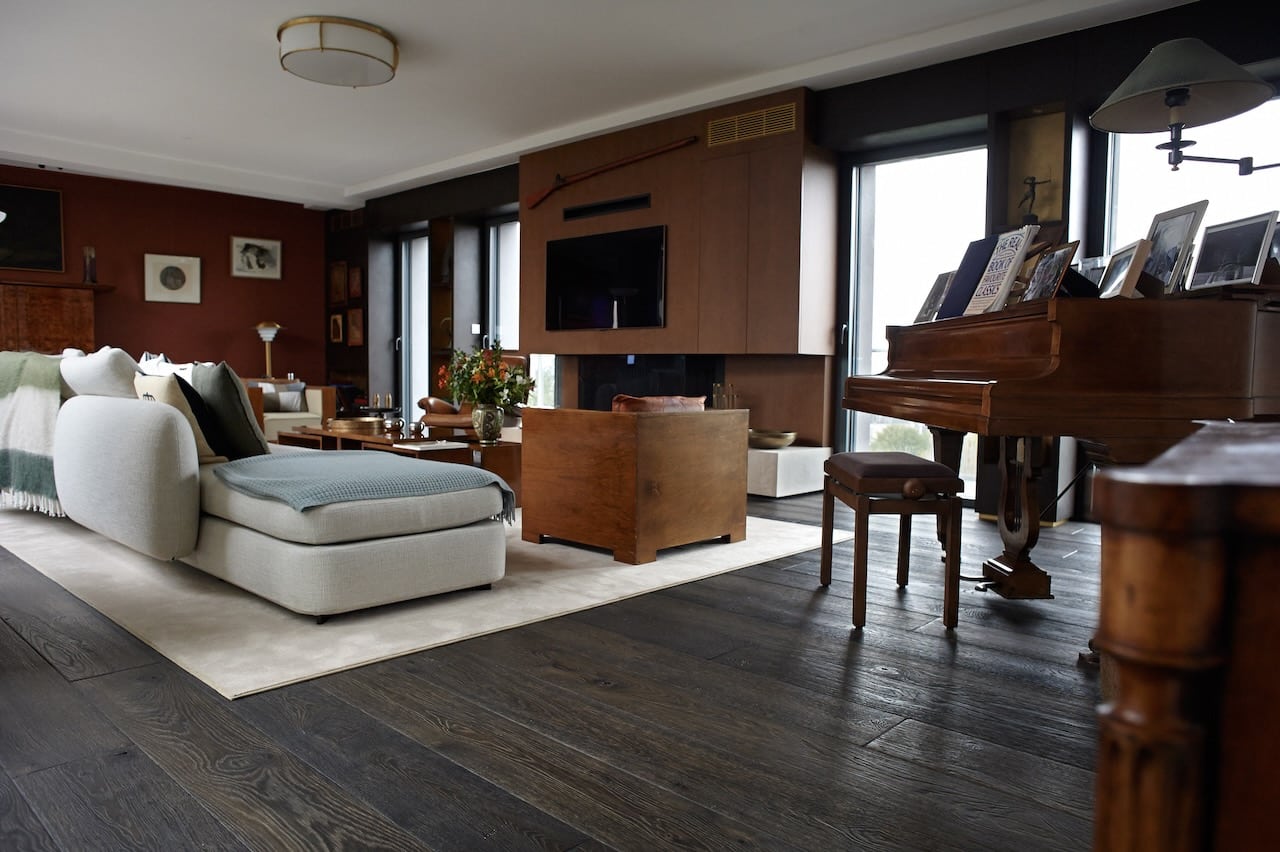
Custom flooring import thermal treated timber floor dark brown in living room with piano
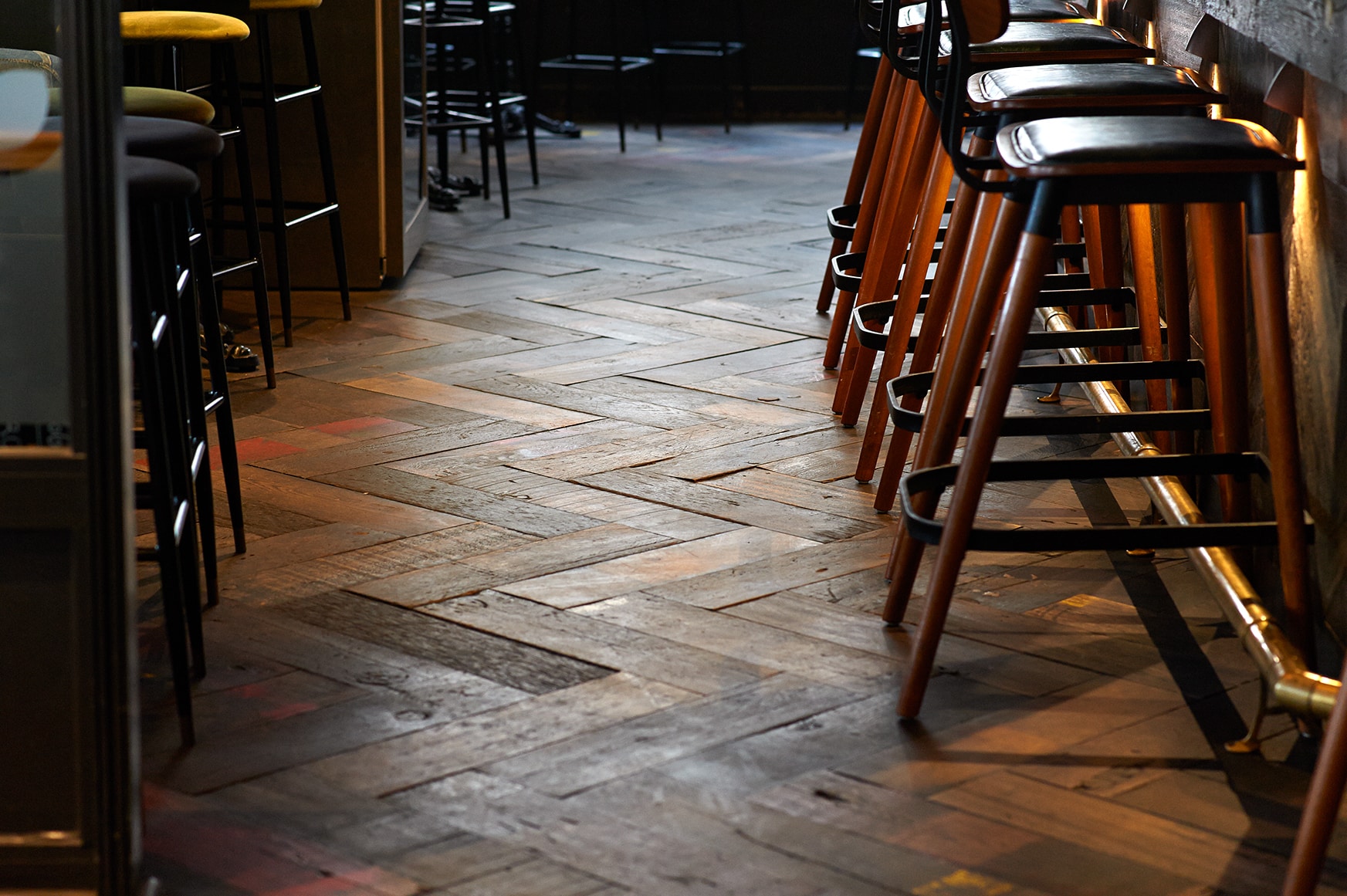
Wagon Back Herringbone Reclaimed French Oak Flooring

Vienna Woods // Reclaimed Wagon Oak Herringbone

Wagon Back Herringbone Reclaimed French Oak Flooring

Vienna Woods // Admonter // Reclaimed Hacked