
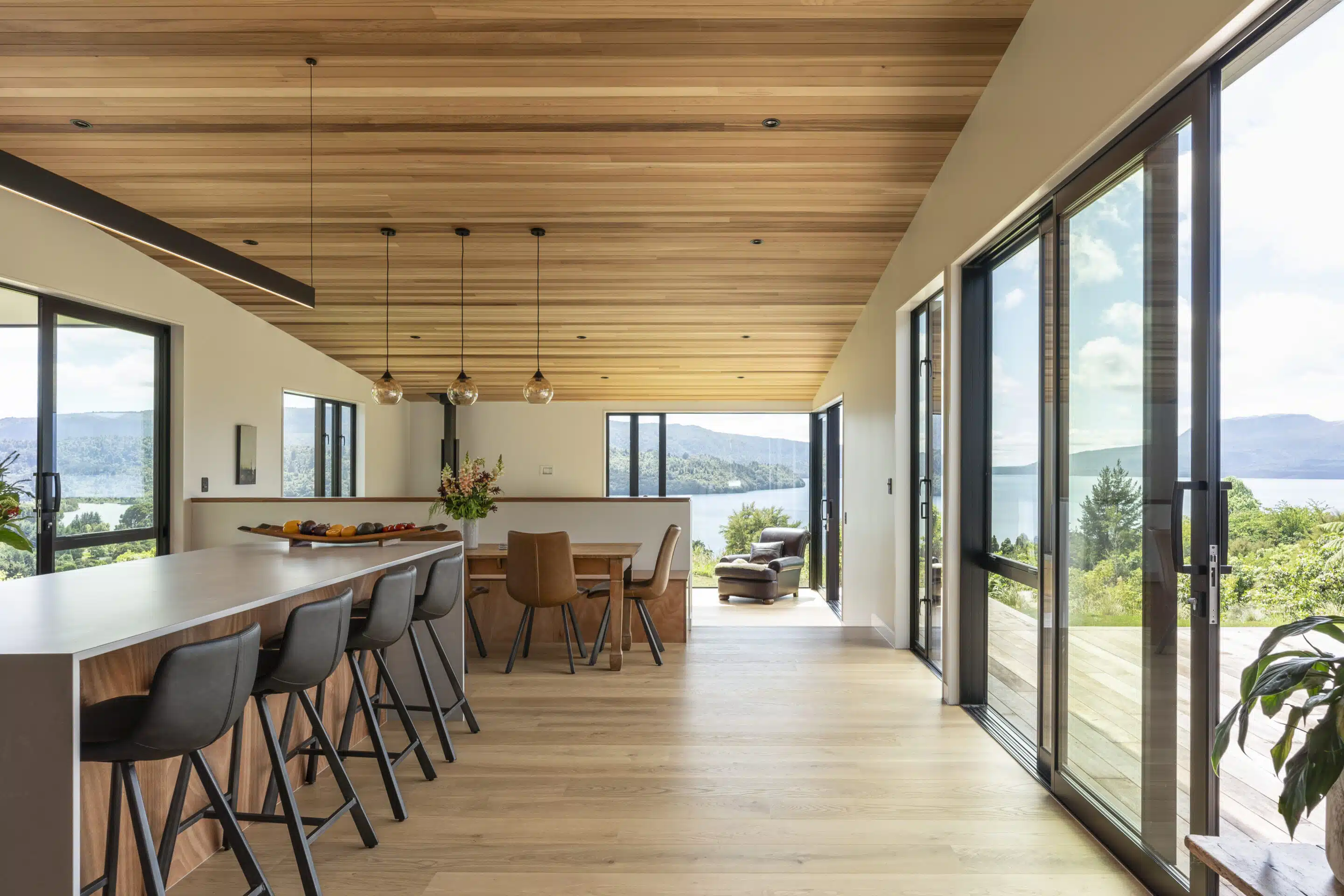
Oak Flooring Auckland & New Zealand
European oak flooring is a proven choice for New Zealand homes and commercial spaces.
At Vienna Woods, we supply premium engineered oak flooring designed for NZ conditions.
Our oak collections are European oak, engineered overseas, with several ranges made in Europe from start to finish. We tell you which is which before you order.
We also supply oak flooring in Auckland, delivered nationwide.
Why Choose Vienna Woods for Oak Flooring?
- European oak:
Slow-grown European oak, with Distilled, Foundation and our Antique Floors ranges made in Europe from start to finish. - Engineered for NZ conditions:
Multi-layer construction improves stability and performance across seasonal humidity changes. - Design-led range:
From clean prime grades to character oak, brushed textures, and aged finishes. - Project support:
Showroom advice, sample packs, technical guidance, and installer coordination if required.
More on all of that: why buy from a timber flooring specialist.
European Oak Collections & Finishes
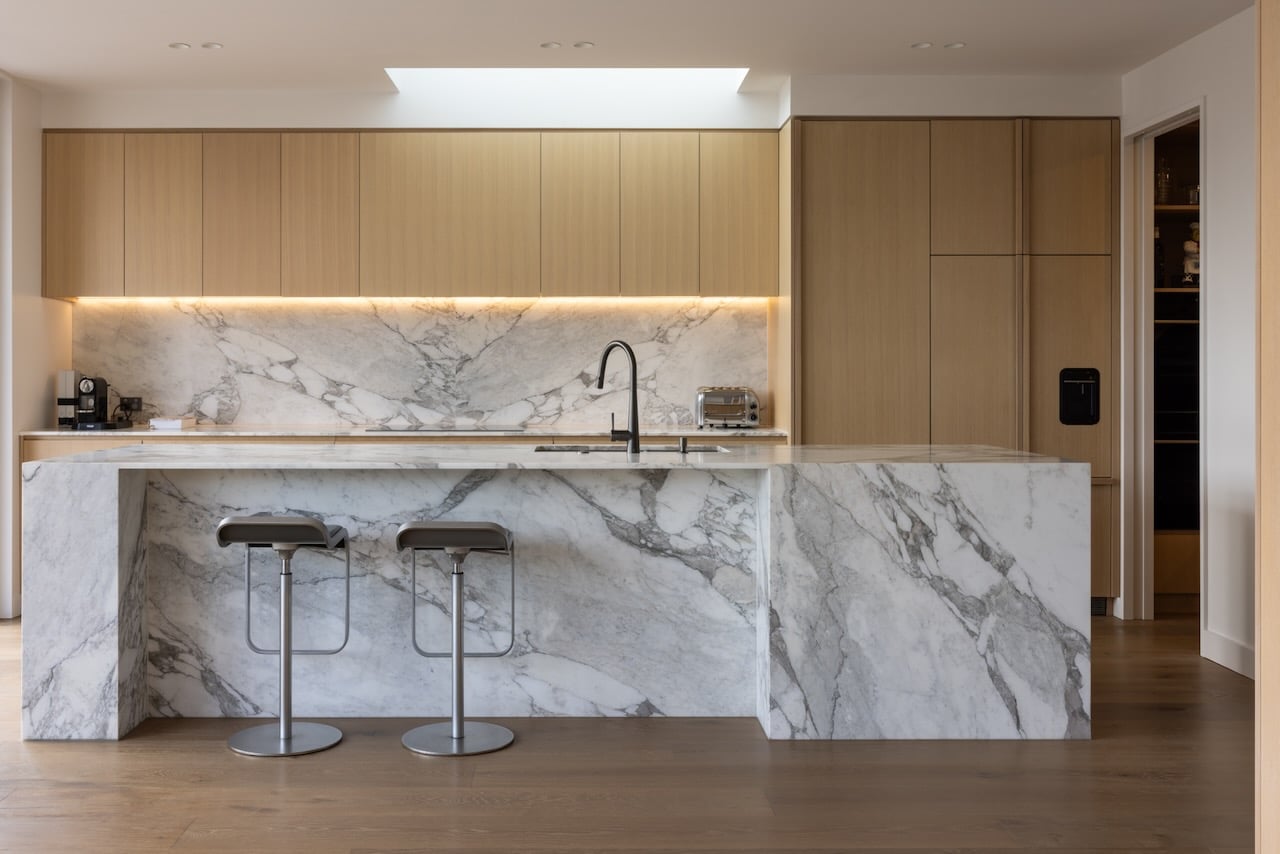
Our curated oak portfolio spans colours and textures to suit any brief:
- Natural European Oak – understated warmth that works with almost any interior palette.
- White‑Washed Oak – soft Nordic tones that lighten open‑plan spaces.
- Smoked & Dark Oak – rich, moody hues that elevate boutique retail, hospitality and luxury residential settings.
- French Oak Prestige Grades – wider boards and select knots for grand statement floors.
Unsure which finish suits your space?
Order a complimentary oak flooring sample pack and view colours in your own light.
Featured Oak Flooring Products
Below is a selection of commonly specified European oak flooring options.
Each product page includes full specifications, grading details, and project imagery.
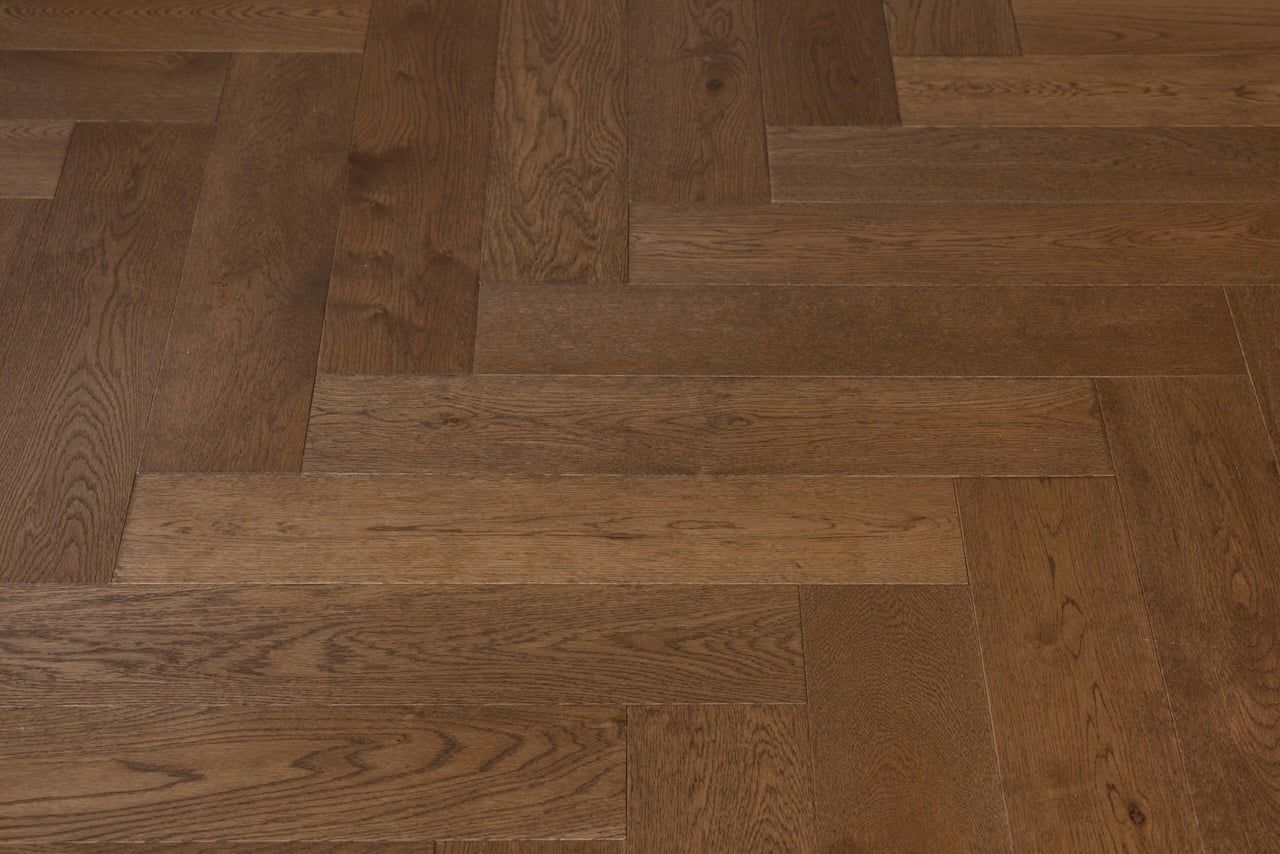
- Oak London – sophisticated mid‑brown with subtle charcoal undertones; perfect for contemporary urban interiors.
- Oak Bordeaux – deep, smoked wine‑barrel hue for luxury hospitality or statement residential floors.
- Oak Pureline – Prime Grade – ultra‑clean grade with minimal knots for seamless modern lines.
- Cafe Au Lait- Extra wide planks in a subtle natural tone.
See the full European oak collection in ouronline catalogue, or talk to our team for bespoke sourcing options.
Engineered Oak Flooring Perfect for NZ Homes
Our engineered oak flooring provides the visual depth of solid timber with improved stability.
Suitable for residential and commercial use, including underfloor heating systems.
Reclaimed & Aged Oak Flooring
Dive into our reclaimed oak and aged oak flooring collections. Stand‑out choices include Ashwick Reclaimed andBraemar Reclaimed, prized for their weathered textures and sustainability credentials.
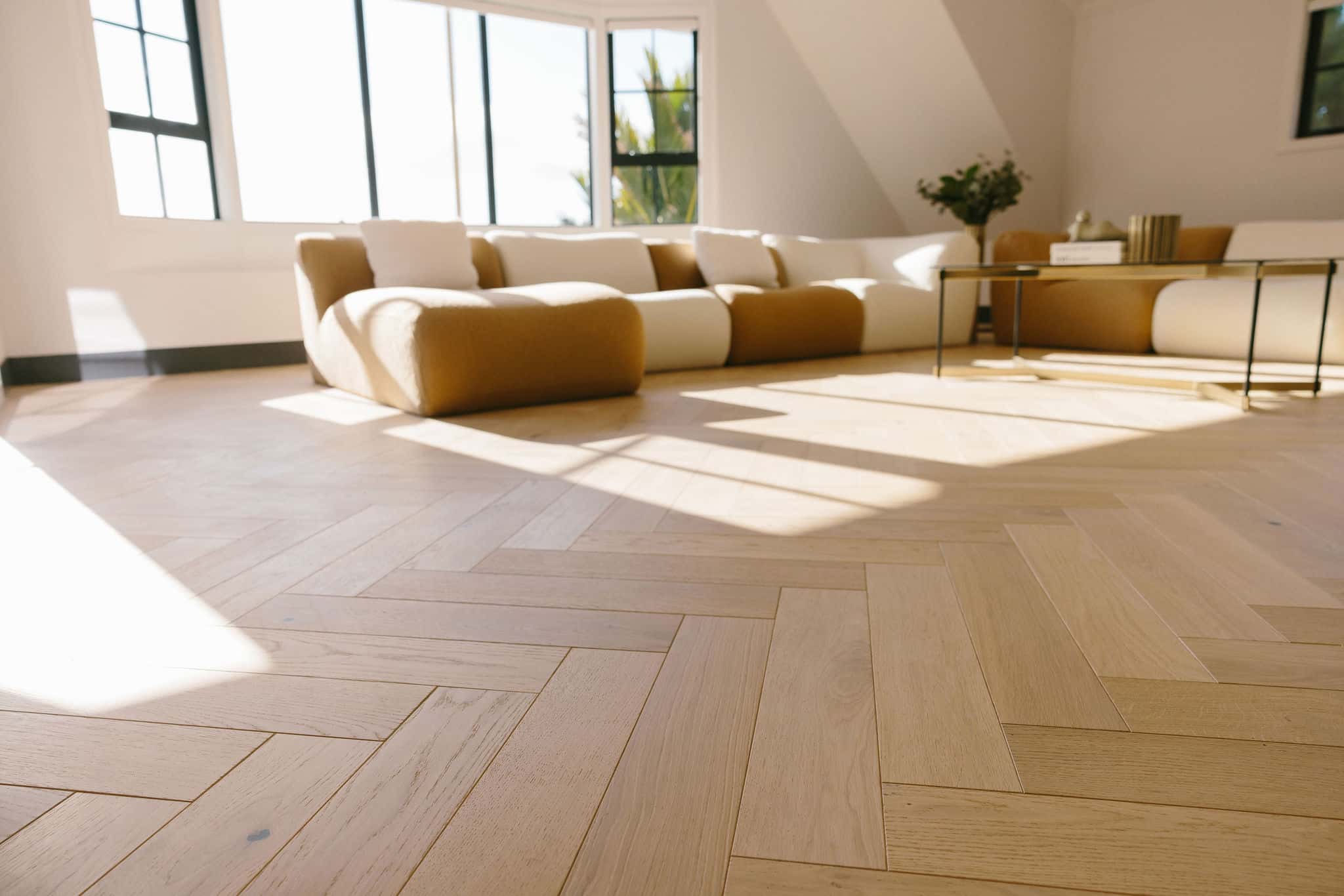
Oak Herringbone, Chevron & Parquetry
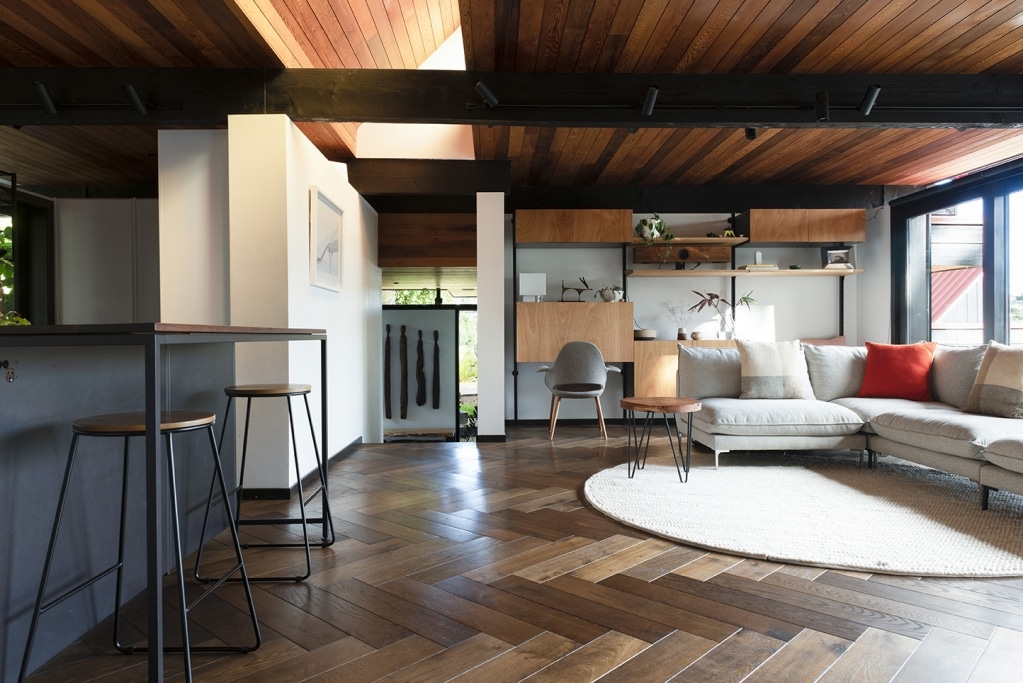
Pattern floors are surging in popularity. Explore our oak herringbone flooring and chevron flooring guides, or review hero products like Patina Antique Farm Aged Oak Herringbone and Wagon Herringbone.
Oak Flooring Installation in Auckland
Vienna Woods supplies and installs oak flooring across Auckland.
For projects outside Auckland, we provide nationwide supply with clear installation guidance.
Typical installation methods
- Glue‑down over prepared concrete or plywood substrates: fully bonded, solid underfoot, and suited to underfloor heating
European oak vs American oak: what is the difference?
| European oak | American white oak | |
|---|---|---|
| Species | Quercus robur / Quercus petraea | Quercus alba |
| Grain | Tighter, straighter, more even figure | More pronounced cathedral figure |
| Colour base | Warm honey to golden brown; takes grey and smoked tones evenly | Slightly pinker, yellower base tone |
| Tannin content | Higher. Responds deeply to smoked, fumed and oiled finishes | Lower. Limited reactive finishing |
| Typical NZ format | Engineered wide plank, herringbone, chevron | Mostly narrower boards, limited engineered supply |
In practice, the engineered timber flooring market in NZ runs on European oak: the engineered factories, the finishing technology and the wide-plank formats are all built around it. If you are comparing engineered oak floors from any NZ supplier, you are almost certainly comparing European oak, the meaningful differences are grade, wear layer, finish quality and traceability.
European oak grades explained
Grade describes the look of the boards, not their durability. Two broad bands cover the NZ market:
- Prime / noble grade, minimal knots, clean and even grain, subtle colour variation. The most architectural look, and the grade specified for most high-end residential and commercial work.
- Character / rustic grade, natural knots (usually filled), stronger grain figure and more colour movement plank to plank. Warmer and more relaxed; often chosen for renovations and family homes.
Wear layer is where price-cutting hides in this industry: much of the engineered oak sold in NZ runs 12mm boards with 2mm wear layers, or 14mm with 2–3mm, to hit a price point. Vienna Woods specs start at 15mm with a 4mm European oak wear layer, good for a realistic two to three re-sands over a 25–30+ year life. Our one deliberate exception is the
: a 2-ply 14mm/3mm board, made in Europe to strict standards in wide, long, fixed-length planks, European quality at a sensible price rather than a cut-down board. Grade changes the look and the price, not the lifespan.
What does European oak flooring cost in NZ?
| Tier | Supply price (incl GST) | What you get |
|---|---|---|
| Entry-level engineered European oak | $99–$150/m² | Standard widths, lacquered, limited colours |
| Mid-range engineered European oak | $150–$220/m² | Wider planks, more colours, better grading |
| Premium slow-grown European oak | $220–$320+/m² | From FSC-certified mills, 4mm wear layers, designer finishes |
Installation adds $85–$110/m² +GST for glue-down (including adhesive and consumables), or $120–$150/m² +GST for herringbone and chevron. Most projects land between $250 and $415/m² all-up installed, the exact figure depends on project size, format, subfloor condition and finish. The full breakdown, with worked examples for a 100m² home, is in our
.
Order Oak Flooring Samples
Our sample packs let you assess colour, grain and texture in your own lighting before committing. Samples are delivered free NZ‑wide - simply choose up to three finishes and we’ll courier them directly.
Why we sell only engineered European oak
Vienna Woods has supplied one product category since 2009: engineered European oak (with engineered walnut as the premium alternative). Solid timber is available on special order. We do not supply pine, bamboo or laminate. The reasoning is practical. Engineered European oak is the one floor we can stand behind across NZ’s climate, subfloors and heating systems, and a single supply chain back to managed European forests is one we can actually trace and vouch for. Seventeen years of installs, and the servicing visits that follow them, keep confirming the choice.
Where our European oak comes from
Several of our ranges are made by mills holding current FSC Chain of Custody certification, increasingly required for Green Star projects and commercial tenders. The
is slow-grown European oak from an FSC-certified mill;
is engineered and finished in Austria. Vienna Woods is also listed in MasterSpec, and we hold the technical documentation specifiers ask for, including our NZBC E3 compliance statement and the manufacturers' published acoustic test data for the underlays we carry. On apartment acoustics the rating belongs to the build-up rather than the floor, which we explain in
what NZBC G6 actually requires →
. That provenance is why architects keep specifying it. At CAB Residences (the 1966 Category A heritage tower on Aotea Square, Auckland’s first skyscraper) over 700m² of wide long-plank European oak from our Foundation Collection was installed across multiple colour archetypes, where material consistency across a large floor area was non-negotiable. Borrmeister Architects made the same call at Wings House, with European oak floors running through the open-plan living spaces.
How much does European oak flooring cost in NZ?
European oak flooring costs $99–$320/m² supplied (incl GST) in NZ, entry-level engineered oak runs $99–$150/m², mid-range $150–$220/m², and premium slow-grown oak $220–$320+/m². Installed all-up, most projects land between $250 and $415/m² depending on format, subfloor and finish.
What is the difference between European oak and American oak flooring?
European oak (Quercus robur/petraea) has tighter, more even grain, a warm honey base colour and higher tannin content, so it takes smoked, fumed and oiled finishes deeply and evenly. American white oak (Quercus alba) has a stronger cathedral grain figure and a pinker base. Nearly all engineered flooring supplied in NZ is European oak.
Is European oak flooring suitable for New Zealand's climate?
Yes. In engineered form. An engineered European oak board with a multi-ply core moves much less than solid timber across NZ's seasonal humidity swings, which is why Vienna Woods supplies engineered construction exclusively. It also installs over concrete slabs and handles underfloor heating.
What grades of European oak flooring are available?
Two broad grades: prime (noble) grade with minimal knots and clean, even grain, and character or rustic grade with natural knots and more colour variation. Grade affects look and price, not durability, the wear layer is the same European oak either way.
Can European oak flooring be used over underfloor heating?
Yes. Engineered European oak is compatible with hydronic and electric underfloor heating when glued down with a flexible adhesive and run so the floor surface stays at or below 27°C. Glue-down is preferred over underfloor heating because it transfers heat better: a glued 15mm board sits at about R 0.15 m²K/W, where the same board floated over an underlay runs 0.15 to 0.29.
Can I get FSC-certified European oak from Vienna Woods?
Not as an FSC-certified floor. The Distilled Collection is made by a mill holding current FSC Chain of Custody certification, but Vienna Woods is not itself a Chain of Custody certificate holder, so we do not sell a floor as certified. We supply the mill's current certificate for your project file, increasingly required for Green Star projects and commercial tenders. Documentation for specifiers is available via MasterSpec.
How long does a European oak floor last?
25–30+ years for a quality engineered European oak floor. Manufacturers rate a 4mm wear layer for 3–4 sands. We advise customers that two to three is realistic. Oiled finishes can be spot-repaired indefinitely without sanding the whole room.
Proud to Support