Oiled vs Lacquered Timber Flooring NZ
Oiled vs Lacquered Timber Flooring — Which Should You Choose?
A practical guide for New Zealand homes and architectural projects.
Choosing between oiled and lacquered timber flooring is one of the most important decisions when selecting a timber flooring system. Each finish influences how the floor looks, performs, and is maintained over time, and the right choice depends on how the space will be used.
This guide outlines the key differences between oiled and lacquered finishes, including appearance, durability, maintenance, and long-term performance, to help determine which option is best suited to your project.
What is an Oiled Timber Floor?
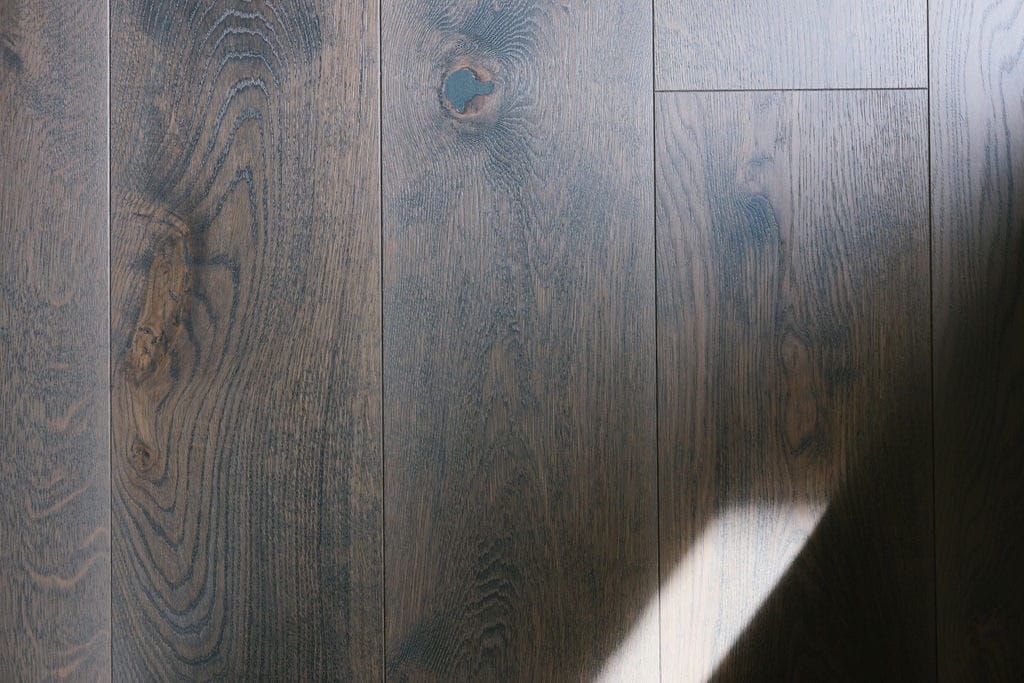
An oiled timber floor is finished using natural or UV-cured oils that penetrate into the wood rather than forming a surface coating. This enhances the natural grain and texture of the timber, resulting in a matte, low-sheen appearance with greater depth and variation.
Oiled floors remain breathable and can be maintained over time through re-oiling. This allows localised repairs without the need to refinish the entire floor.
Key characteristics:
- Natural, low-sheen appearance
- Enhanced grain definition and texture
- Can be spot-repaired and refreshed
- Requires periodic maintenance oiling
What is a Lacquered Timber Floor?
Lacquered timber flooring is finished with a protective coating that sits on the surface of the wood. Modern lacquer systems, including ultra matt finishes, can closely replicate the appearance of natural timber while providing a higher level of surface protection.
Lacquered floors are generally easier to maintain day-to-day and offer increased resistance to staining and wear, making them well suited to high-traffic areas.
Key characteristics:
- Protective surface coating
- Lower ongoing maintenance
- More resistant to wear and staining
- Requires full refinishing if heavily worn
Appearance — Natural vs Refined
Oiled floors present a softer, more natural aesthetic, with greater variation and depth visible in the timber. Lacquered floors offer a more consistent and controlled appearance, particularly when using modern ultra matt finishes that minimise surface sheen.
The choice between the two often comes down to whether the design intent prioritises a natural, evolving surface or a more uniform and stable visual outcome.
Durability and Performance
Lacquered finishes provide a higher level of initial surface protection and are generally more resistant to spills, staining, and abrasion. This makes them well suited to busy households and commercial environments.
Oiled floors, while less resistant to surface wear, can be maintained and restored more easily over time. Rather than sanding the entire floor, worn areas can be re-oiled as needed.
Both systems perform well in engineered timber flooring, but their long-term behaviour differs depending on how the surface is maintained.
Maintenance and Long-Term Cost
Oiled timber flooring requires periodic maintenance oiling to maintain its appearance and protective qualities. Suitable maintenance products can be found in our timber floor care range.
Lacquered flooring requires minimal ongoing maintenance in the early years. However, once the surface coating wears down, restoration typically involves sanding and refinishing the entire floor.
In practice, oiled floors involve more frequent, lower-cost maintenance, while lacquered floors involve less frequent but more intensive refinishing over time.
Oiled vs Lacquered Timber Flooring — Key Differences
| Feature | Oiled Flooring | Lacquered Flooring |
|---|---|---|
| Appearance | Natural, matte, enhanced grain | More consistent, controlled finish |
| Surface | Penetrates the timber | Protective coating on surface |
| Maintenance | Requires periodic re-oiling | Low maintenance day-to-day |
| Repair | Can be spot repaired | Typically requires full refinishing |
| Durability | Lower surface resistance | Higher resistance to wear and staining |
Which Option is Better?
The right choice depends on how the floor will be used, the level of wear expected, and how you prefer to maintain it over time.
- Oiled flooring is well suited to projects where a natural appearance is prioritised and ongoing maintenance is acceptable. It allows for localised repair and gradual ageing of the surface.
- Lacquered flooring is better suited to spaces requiring lower day-to-day maintenance and higher resistance to wear, particularly in busy residential or commercial environments.
Both finishes are widely used in engineered European oak flooring, and the decision is typically based on maintenance preference rather than performance alone.
Related Flooring Options
For further guidance on timber flooring formats, finishes, and surface textures, refer to our
Timber Flooring Styles, Finishes & Textures guide.
You can also view our engineered timber flooring collections to compare available finishes across different ranges:
- Distilled Collection – premium European oak with oil and ultra matt lacquer options
- Petit Château Collection – practical lacquered flooring for residential and commercial use
- Flamingo Collection – bespoke flooring with custom finishes and textures
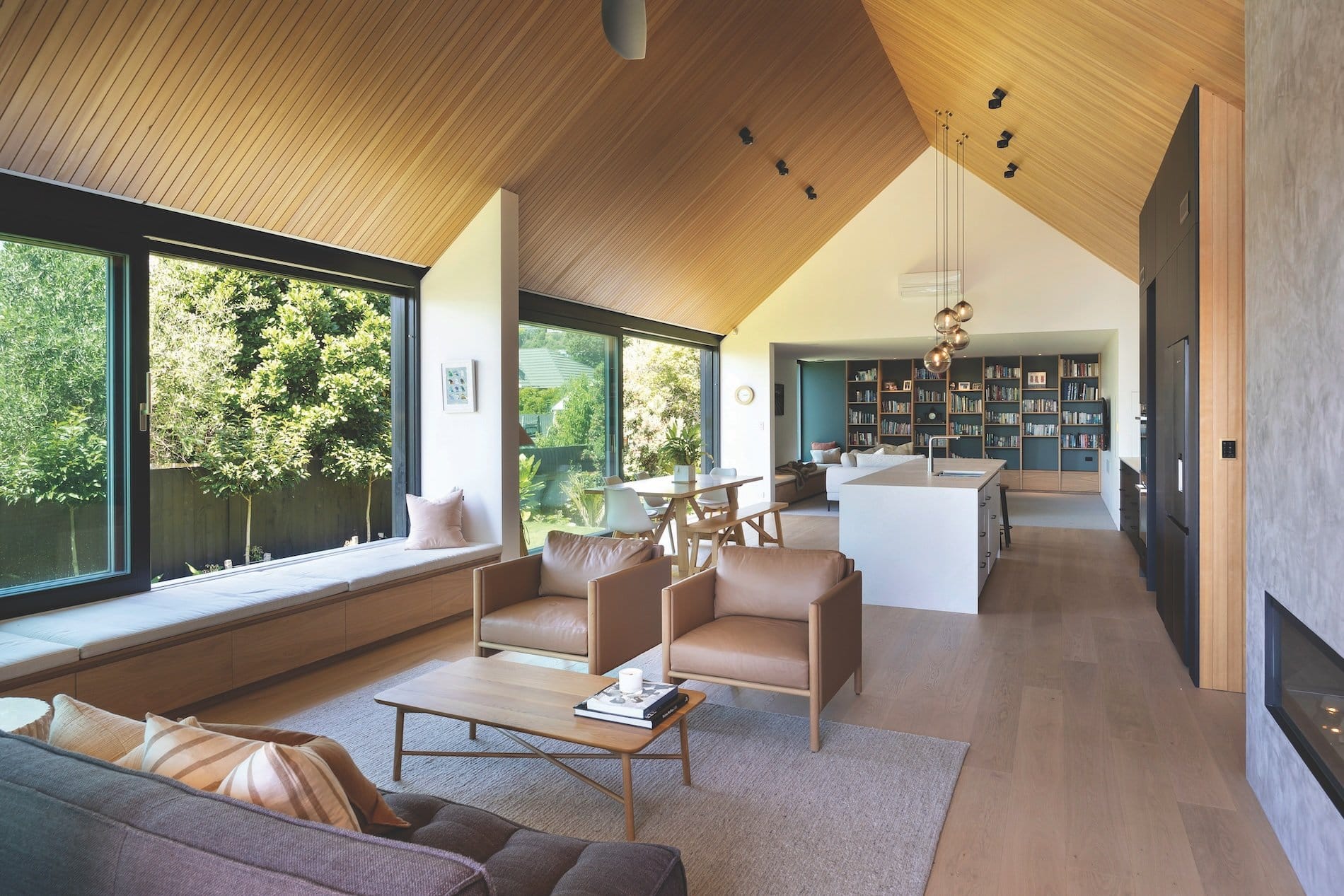
Lacquered vs oiled — pick by use case, not preference
The choice is genuinely binary in most NZ projects. Here’s the decision matrix by use case — pick the row that matches your project and the answer is usually clear.
| Use case | Recommended finish | Why |
|---|---|---|
| Kitchen (high-splash, frequent traffic) | Lacquered (UV-cured AC4) | Sealed surface handles splash, dropped utensils, hot pans without sealer breakdown. Damp-mop maintenance only. |
| Living room, bedroom (low-moisture residential) | Either works — preference call | Oiled gives a natural matte look that develops patina. Lacquered stays uniform for longer. |
| Commercial fit-out (office, hospitality) | Lacquered | Commercial warranty cover is typically lacquer-only. Cleaning protocols compatible with standard commercial cleaning chemistry. |
| Heritage / character residence | Oiled | Period-appropriate look. Spot-repair preserves authenticity without full-room refinish. |
| Family with pets and kids | Lacquered | AC4 surface resists claw scratches better than oiled. Spills wipe up without staining the timber. |
| Pet-free, design-led residence | Either | Match the finish to the room’s overall material palette — oiled for warm/natural, lacquered for contemporary/uniform. |
| Multi-unit / apartment (NZBC G6 acoustic) | Lacquered | Lacquered systems have more documented acoustic test data. Oiled can pass but slows the spec process. |
| Underfloor heating (any zone) | Either compatible | Finish doesn’t change UFH compatibility. Glue-down install up to 27°C surface temp works with both. |
For pricing context across both finishes, see our timber flooring cost guide. For background on what makes an engineered floor’s wear layer suitable for either finish, see the hardwood flooring NZ pillar and the engineered timber flooring guide.
Lacquered vs oiled timber flooring — frequently asked questions
What's the practical difference between lacquered and oiled timber flooring?
Which finish is better for an NZ kitchen?
Can scratches be repaired on a lacquered floor?
How often does an oiled floor need re-oiling?
Is lacquered or oiled better with pets?
Which finish is more sustainable?
Can I switch from oiled to lacquered later (or vice versa)?
Does the finish affect underfloor heating compatibility?
Related Vienna Woods guides
- Hardwood Flooring NZ — Janka ratings, species comparison, what hardwood means in NZ supply.
- Engineered Timber Flooring NZ — construction, wear layers, what to specify.
- Engineered vs Solid Timber Flooring NZ — stability, UFH, NZ humidity.
- Timber Flooring Cost NZ — pricing breakdown by tier and format.
- Commercial Timber Flooring NZ — FSC, MasterSpec, NZBC.
- Kitchen vs Flooring sequencing — install order on renovations.
- Lacquered finish detail — finish-specific product range.
- Oiled finish detail — finish-specific product range.
- Timber Flooring with Underfloor Heating NZ — engineered oak compatibility, install methods, surface temperature limits.
See lacquered and oiled side by side
Order free samples in both finishes to compare the look in your light, or book a Newmarket showroom visit to walk on European oak in lacquered and oiled across the full range.