
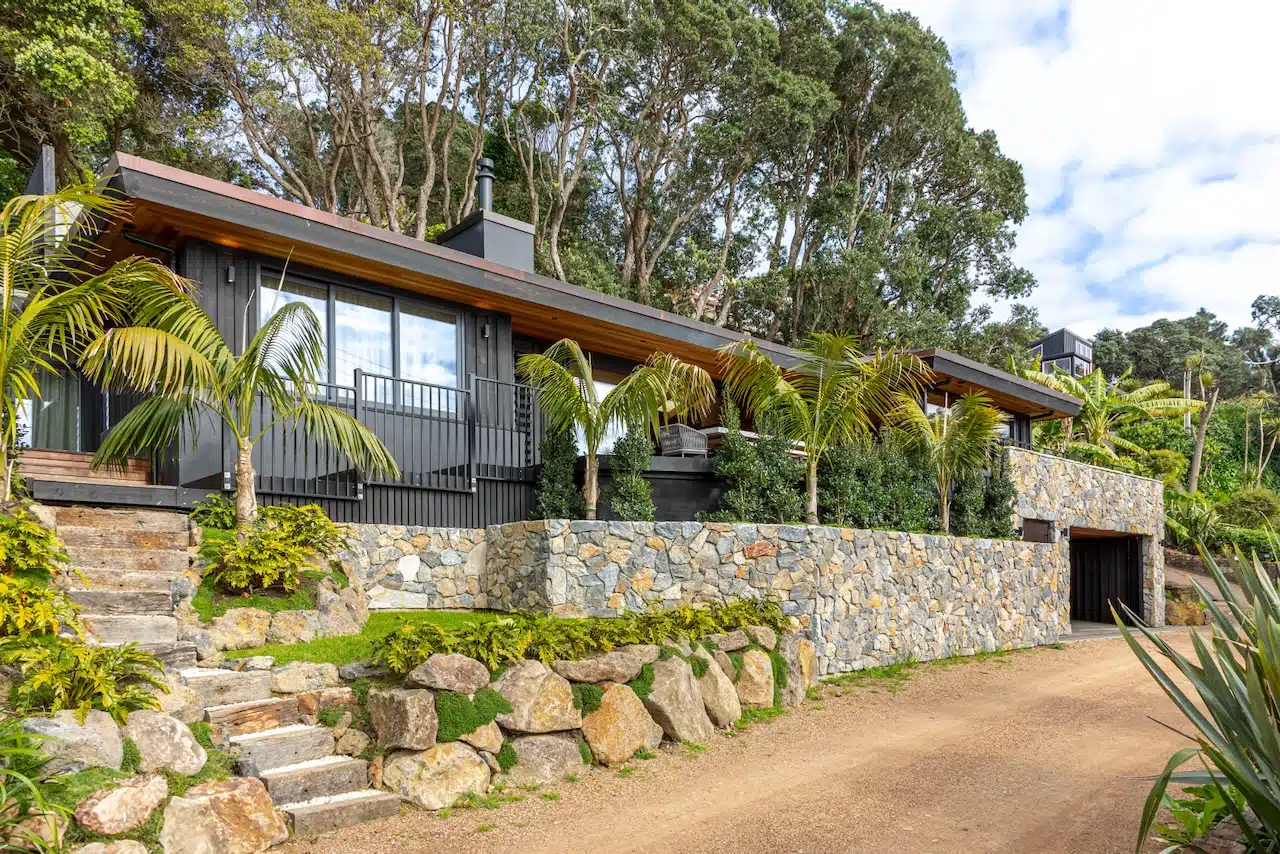
Oiled FinishNatural oil, worked into the grain
“A floor you can feel, not just see.”
An oiled finish soaks into the timber rather than sitting on top as a lacquer does. The oil soaks into the oak and cures in the timber, leaving a thin layer at the surface rather than the separate sealed film a lacquer forms. What you touch feels close to the timber itself.
A matte, natural look and a real texture underfoot. Without a lacquer’s sealed film, an oiled floor keeps a low, soft sheen and the grain, and any brushing or sawn texture in the board, stays open to the touch. It is the finish most people picture when they think of a natural European oak floor: quiet, tactile and easy to live with.
Made to be maintained, not replaced. An oiled floor is looked after with the right clean and an occasional coat of maintenance oil, and worn, busy areas can usually be re-oiled in place rather than sanding the whole floor. It asks for a little care in return for a finish you can refresh over the years.
Oiled floors across our collections
Every board below is finished with a natural or UV-cured oil. Filter by collection and tone to narrow it down, then order a sample and see the oil in your own light.


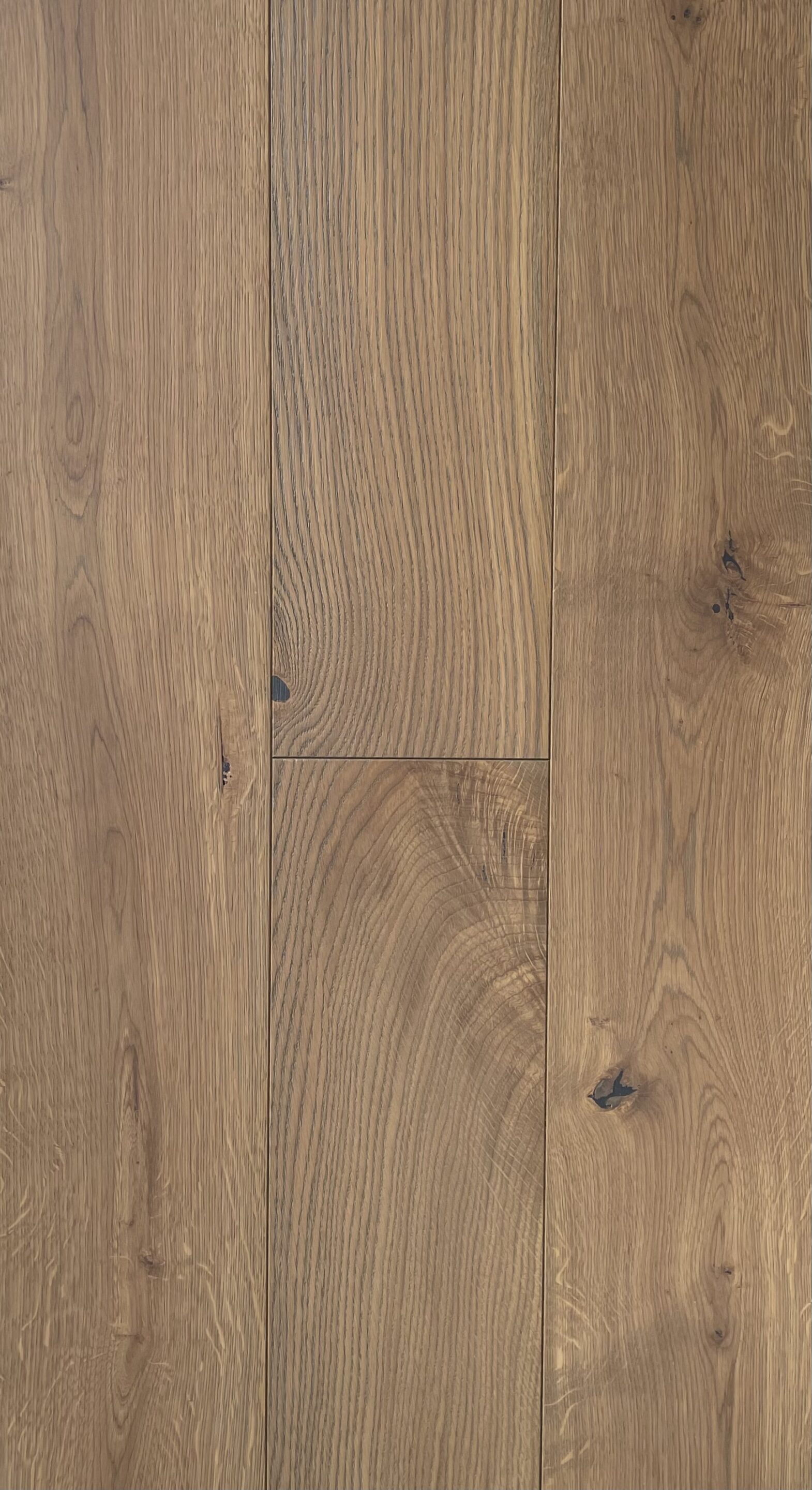


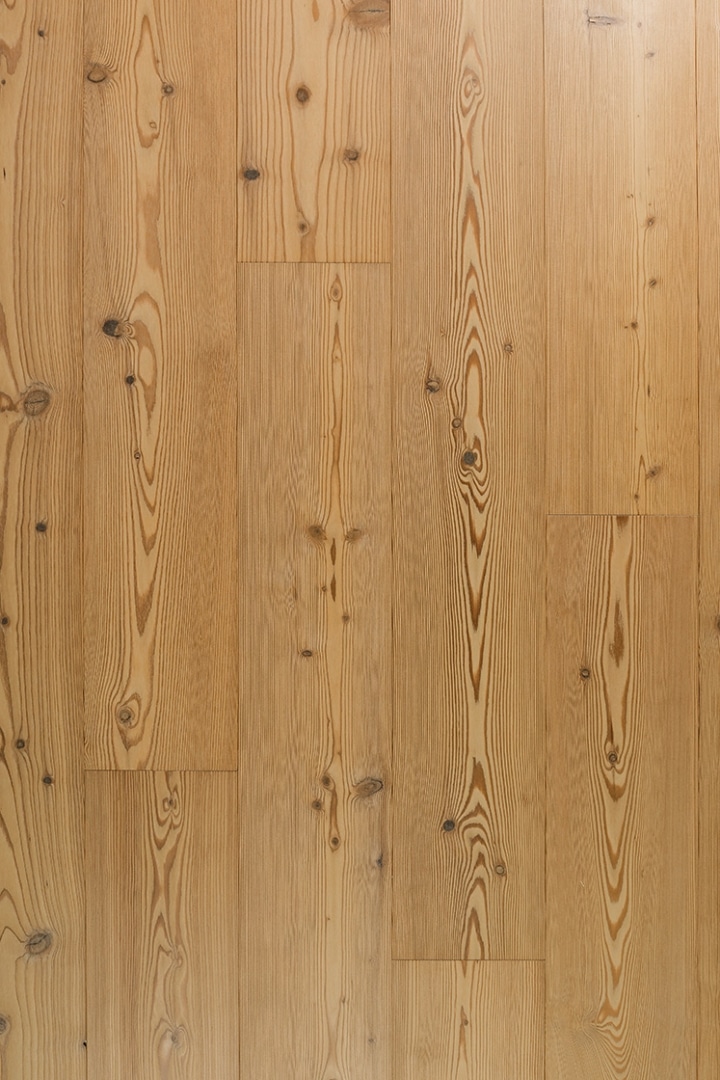
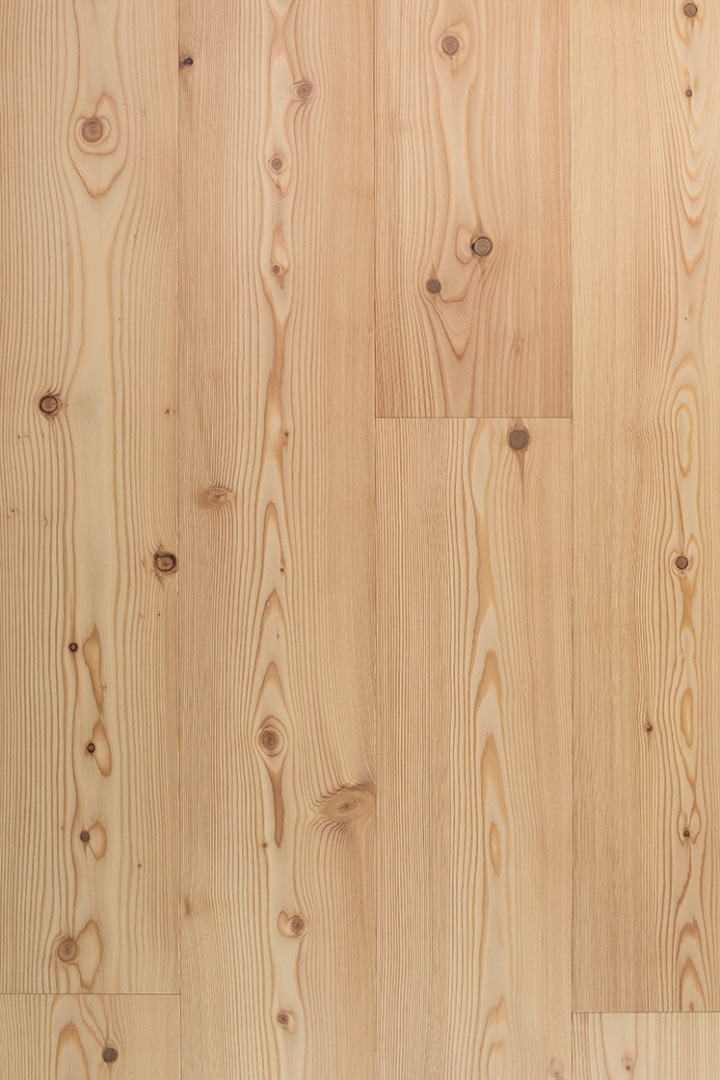

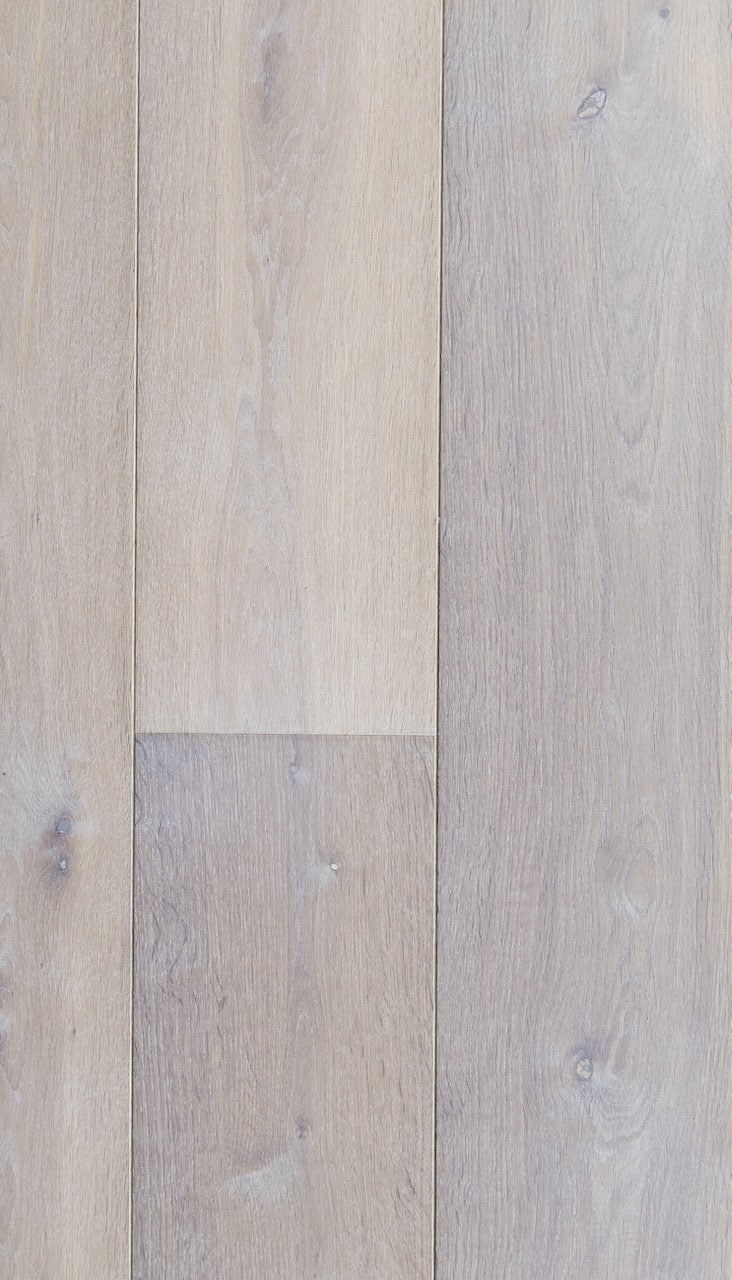


What an oiled finish gives you
The same three things every time, the reason people choose oil over a lacquer.
A low, soft sheen, the look of the timber, not a gloss coat over it.
No sealed lacquer film, so the texture and grain of the board stay open to the touch.
Worn, high-traffic spots can usually be re-oiled on their own, without a full sand.
Oiled or lacquered?
Two ways to finish the same oak. Neither is “better”. It comes down to the look you want and the way you’d rather care for the floor.
Oiled
| Sits | In the grain, a penetrating finish |
|---|---|
| Look | Matte, natural, low sheen |
| Feel | Open. The texture stays |
| Care | Clean, plus a periodic coat of maintenance oil |
| Repairs | Spot re-oil in place, usually no full sand |
Lacquered
| Sits | On the surface, a clear film |
|---|---|
| Look | Matt to extra matt, with the sheen set by the collection |
| Feel | Smooth, sealed surface |
| Care | Clean. No oiling needed |
| Repairs | Refreshed with a maintenance coat when it’s due |
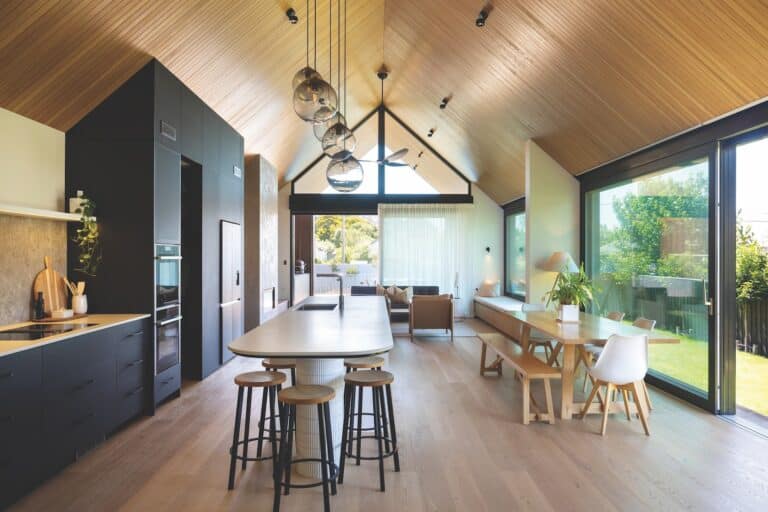
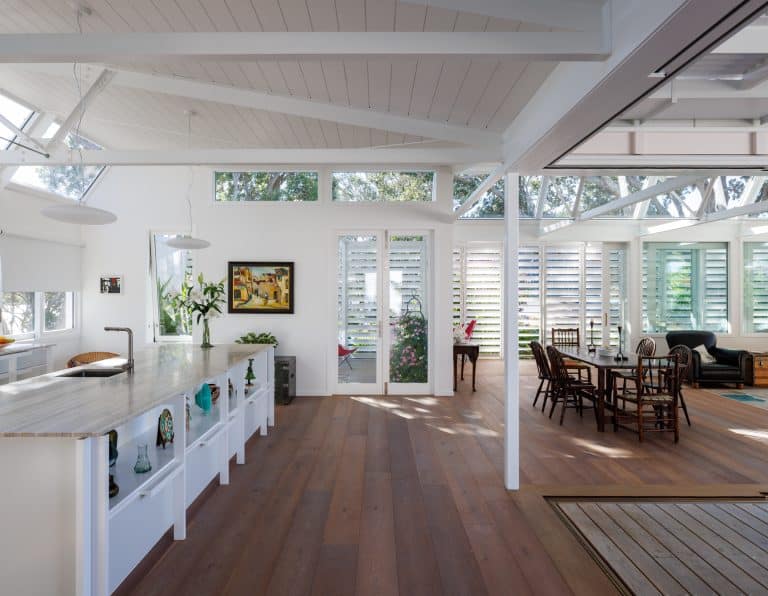
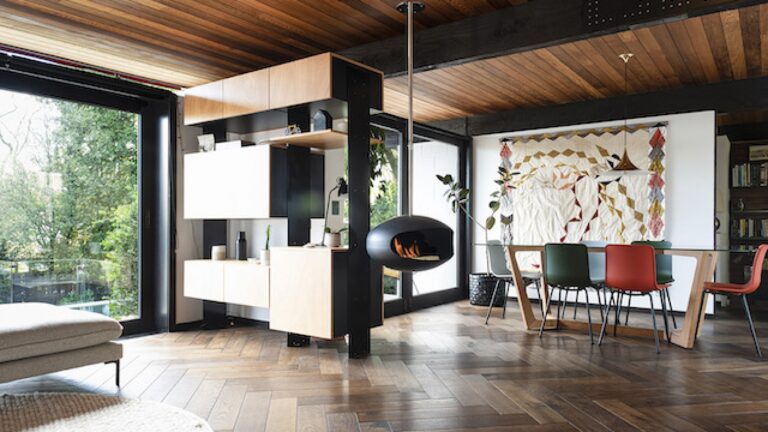
Seen in these projects


Common questions
What’s the difference between an oiled and a lacquered floor?
An oiled finish soaks into the timber and cures in the grain, leaving a matte, natural look and an open texture you can feel. A lacquer sits on top as a clear film (ours are matt to extra matt). Oiled floors are topped up with maintenance oil over time and can be spot-repaired in place; lacquered floors are refreshed with a maintenance coat when they’re due. Neither is “better”. It comes down to the look and the way you’d rather maintain it.
How do I look after an oiled floor?
Day to day, sweep or vacuum and clean with a product made for oiled floors (an oil-soap, not a general or lacquer cleaner). Every so often, how often depends on wear and traffic, the floor gets a coat of maintenance oil to refresh it. Worn, busy spots can usually be re-oiled on their own, without touching the rest of the floor. Tell us your floor and we’ll point you to the right products.
Is an oiled floor right for me?
If you love the look and feel of natural timber (matte, tactile, with the grain still open) an oiled finish is hard to beat, and it suits a home where the occasional re-oil is welcome as part of caring for the floor. If you’d rather a finish that needs no oiling and you’re happy with a sealed surface, a lacquered floor may suit better. Order samples of both and see them in the room.
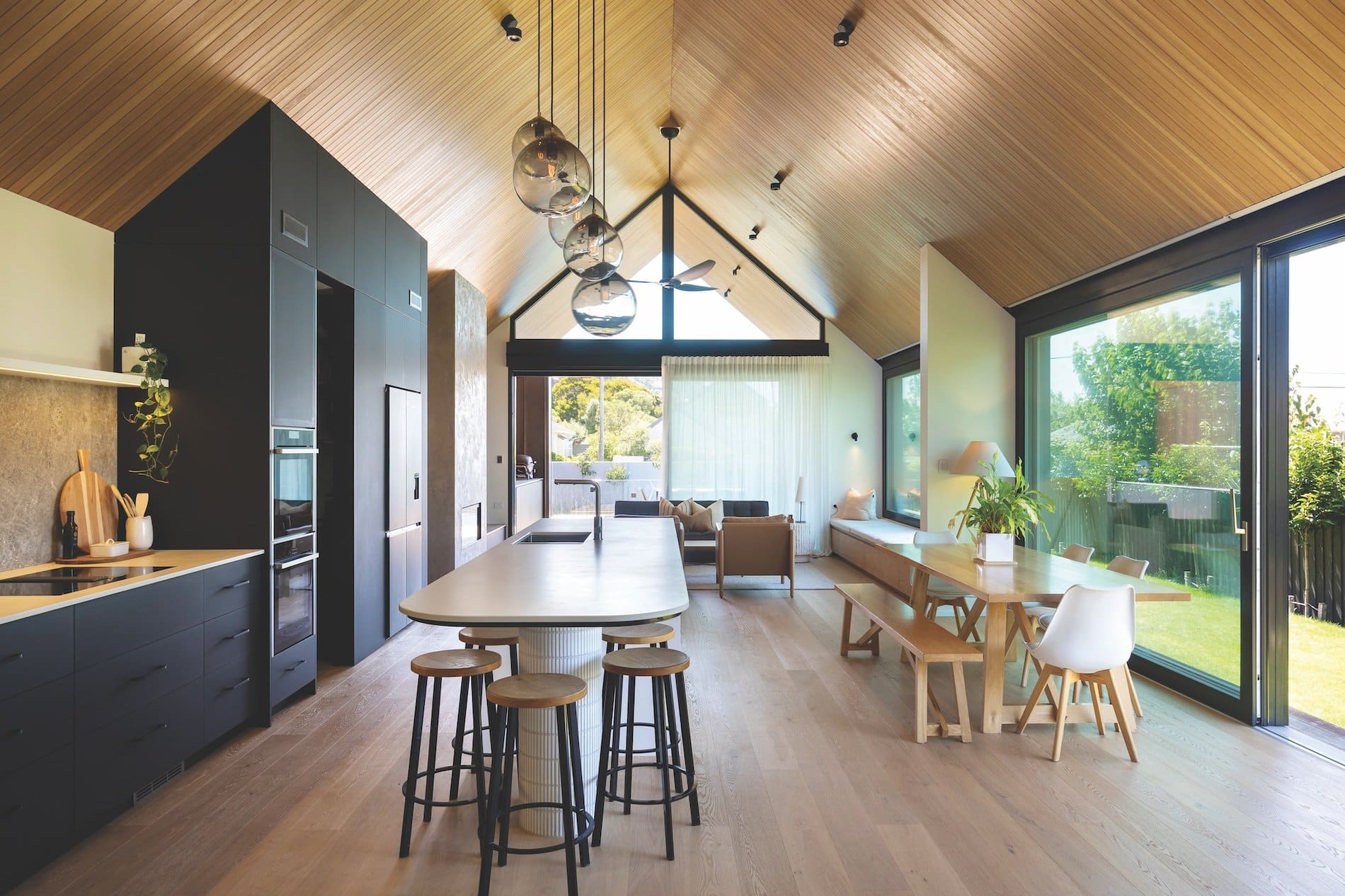
See an oiled floor in your own light
Order a free sample and see the matte, natural finish and the open grain in the room it is going in.
Vienna Woods · Styles, Finishes & Textures
Timber is a natural material: variation in colour, tone, grain and texture between boards, and against samples and on-screen images, is normal and to be expected.
Customer Reviews
What homeowners, architects and designers say about working with us.


